


Master the Pre-Workout Hydration Process for Peak Performance
Most british athletes underestimate how much proper hydration can impact their training results. Studies show that even mild dehydration can reduce physical performance by up to 30 percent, yet simple habits make a dramatic difference. Whether you are aiming for marathon strength or daily energy, knowing how to assess and adjust your hydration is vital. Here you will find practical british-focused steps for measuring your fluid levels, choosing natural supplements, and timing your intake for real athletic benefits.
Table of Contents
- Step 1: Assess Your Current Hydration Levels
- Step 2: Choose Natural Electrolyte Supplements Wisely
- Step 3: Time Your Fluid Intake Effectively
- Step 4: Mix And Consume Your Hydration Solution
- Step 5: Monitor Signs Of Optimal Hydration
Quick Summary
| Key Point | Explanation |
|---|---|
| 1. Assess hydration through urine | Urine colour should be pale straw for optimal hydration; dark amber indicates dehydration risk. Monitor urination frequency for additional insights. |
| 2. Choose natural electrolyte sources | Select supplements containing key electrolytes like sodium and potassium from natural sources to enhance performance without additives. |
| 3. Time your fluid intake strategically | Begin hydrating two hours before exercise and continue with small sips every 15-20 minutes during workouts to maintain hydration. |
| 4. Mix hydration solutions accurately | Follow product instructions for electrolyte solution preparation, ensuring proper mixing and temperature for optimal absorption. |
| 5. Monitor hydration signs continuously | Track multiple indicators such as urine characteristics and energy levels to maintain an active understanding of your hydration status. |
Step 1: Assess your current hydration levels
Understanding your body’s hydration status is crucial before any intense workout. Tracking your hydration involves several straightforward techniques that provide clear insights into your current fluid balance.
First, examine your urine colour and frequency. Hydration biomarkers in free-living adults reveal precise indicators of fluid intake suggest that urine colour serves as an excellent initial diagnostic tool. A pale straw or transparent yellow indicates good hydration, while dark amber signals potential dehydration. Monitor how often you urinate too - infrequent urination coupled with concentrated colour suggests you need more fluids.
Another practical method involves performing a simple skin turgor test. Gently pinch the skin on the back of your hand and observe how quickly it returns to its original position. If the skin remains ‘tented’ or takes several seconds to snap back, this suggests dehydration. Additional signs include dry mouth, slight headache, and feeling thirsty - all early warning signals your body needs more water.
Weight monitoring provides another scientific approach. Weigh yourself before and after exercise to calculate fluid loss. Losing more than 2% of your body weight during a workout indicates significant dehydration and requires immediate rehydration strategies.
Advanced tip: Consider tracking your baseline hydration using morning body weight measurements. Consistent tracking helps you understand your individual hydration patterns and create personalised fluid intake strategies.
Tip for experts: Consistent hydration assessment transforms good athletes into great performers. Your body’s fluid balance directly impacts performance, so treat hydration monitoring as seriously as your training routine.
Here’s how common hydration assessment methods compare:
| Method | What it Assesses | How to Perform | Limitation |
|---|---|---|---|
| Urine inspection | Fluid balance | Check colour & volume | Diet or supplements can alter colour |
| Skin turgor test | Skin elasticity, hydration | Pinch back of hand | Less accurate in elderly |
| Weight tracking | Body water loss | Weigh pre/post exercise | Influenced by sweat or clothing |
| Thirst perception | Subjective hydration need | Notice if you feel thirsty | Already indicates mild dehydration |
Step 2: Choose natural electrolyte supplements wisely
Selecting the right electrolyte supplement can dramatically transform your hydration strategy and athletic performance. Your goal is to find a product that provides balanced mineral replacement without unnecessary synthetic additives.
Comprehensive reviews of top electrolyte supplements highlight the importance of scrutinising ingredient lists carefully. Look for supplements containing key electrolytes like sodium, potassium, magnesium, and calcium from natural sources. Avoid products with excessive artificial sweeteners, colours, or unrecognisable chemical compounds.
When evaluating supplements, prioritise those derived from whole food sources or naturally occurring mineral blends. Coconut water, sea salt, and plant-based extracts offer superior electrolyte profiles compared to synthetic alternatives. Read labels thoroughly and choose products with minimal processing and transparent ingredient sourcing.
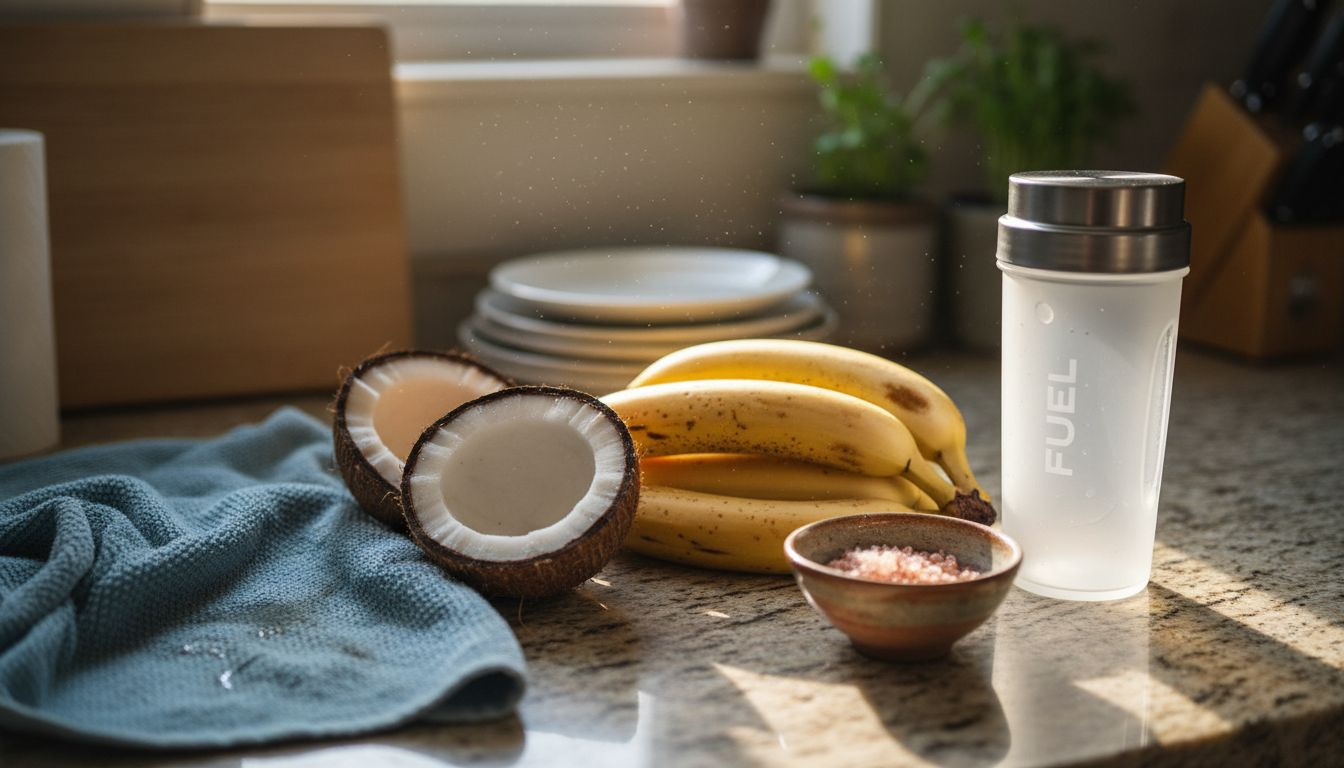
Consider your specific athletic needs when selecting a supplement. Endurance athletes might require different electrolyte concentrations compared to strength trainers. Some supplements offer targeted formulations for specific workout intensities, so match the product to your individual training requirements.
Advanced strategy: Create a shortlist of 3-4 supplements and compare their mineral compositions, absorption rates, and potential additional benefits like amino acid support or rapid hydration properties.
Tip for experts: Natural electrolyte supplements are not one size fits all. Experiment carefully and track your body’s response to find the perfect match for your unique physiological demands.
This summary contrasts natural and synthetic electrolyte supplements:
| Feature | Natural Supplements | Synthetic Supplements |
|---|---|---|
| Source | Whole foods, extracts | Laboratory processed |
| Typical Additives | Minimal, natural only | Artificial flavours, colours |
| Suitability | Sensitive digestion | Wider availability |
| Absorption | Often better tolerated | May vary by formulation |
Step 3: Time your fluid intake effectively
Mastering your pre workout hydration requires strategic fluid consumption that supports athletic performance and prevents potential dehydration. Your hydration timeline is just as critical as the amount of fluid you consume.
Research on systematic hydration approaches demonstrates that consistent fluid intake throughout the day yields superior results compared to consuming large volumes at isolated moments. Begin hydrating approximately 2 hours before your workout by drinking 400 500 ml of water. This allows sufficient time for absorption and ensures your body is primed for peak performance.
During your workout, implement a measured drinking strategy. Small sips every 15 20 minutes help maintain electrolyte balance and prevent sudden fluid depletion. Avoid waiting until you feel thirsty, as thirst indicates your body is already experiencing initial dehydration signals. Hydroprompt studies suggest that timely fluid consumption prompts can significantly improve overall hydration habits.
Post workout rehydration is equally crucial. Within 30 minutes after exercise, consume approximately 500 ml of electrolyte enhanced water to replenish minerals lost through sweating. Pay attention to your body weight before and after training to understand your specific fluid loss patterns.
Advanced strategy: Create a personalised hydration log tracking your fluid intake, workout intensity, and subsequent performance metrics. This data will help you refine your hydration approach over time.
Tip for experts: Hydration is a dynamic process. Your fluid needs will vary based on workout intensity, environmental conditions, and individual physiology. Stay adaptable and attentive to your body’s signals.
Step 4: Mix and consume your hydration solution
Preparing your pre workout hydration solution requires precision and understanding of your body’s specific electrolyte needs. The right mixture can significantly enhance your athletic performance and prevent potential fluid imbalances.
Expert guidance on electrolyte solution preparation emphasises the critical importance of following product instructions meticulously. Begin by selecting a clean water source and measuring the recommended powder or liquid concentrate precisely. Use cool or room temperature water to ensure optimal mineral absorption and mix thoroughly until the solution is completely dissolved.
Consider your workout intensity when determining concentration levels. Endurance athletes might require a more concentrated electrolyte solution compared to those engaging in shorter training sessions. Use a clean measuring cup or designated mixing container to maintain consistency. Aim to consume your prepared solution approximately 30 minutes before your workout to allow for initial absorption and prevent potential gastrointestinal discomfort.
Temperature and taste can significantly impact your hydration strategy. Experiment with slight variations in water temperature and consider adding a small amount of natural flavouring like fresh lemon juice or cucumber slices to make your electrolyte drink more palatable. Avoid over mixing, which can introduce unnecessary air bubbles and potentially alter the solution’s mineral composition.
Advanced strategy: Create a standardised mixing protocol for your hydration solutions. Document water temperature, mixing duration, and your performance metrics to identify your optimal preparation method.
Tip for experts: Your hydration solution is a personalised performance tool. Treat its preparation with the same precision and focus you apply to your training routine.
Step 5: Monitor signs of optimal hydration
Understanding your body’s hydration status requires keen observation and systematic tracking of multiple physiological indicators. Your ability to recognise subtle signs of proper fluid balance can significantly enhance athletic performance and prevent potential health risks.
Advanced hydration biomarkers reveal precise tracking methods demonstrate that urine characteristics provide the most immediate insights. Focus on colour first pale straw or light yellow indicates optimal hydration. Dark amber or brownish urine signals potential dehydration. Additionally, track urine volume and frequency regular urination every 2 3 hours suggests good fluid balance.
Innovative non invasive monitoring technologies are expanding our understanding of hydration assessment. Beyond urine analysis, pay attention to physical signals like skin elasticity. Perform a quick skin pinch test on the back of your hand if the skin returns to normal position immediately you are well hydrated. Persistent tenting or slow recovery indicates fluid deficit. Other key indicators include stable body weight minimal muscle cramps and consistent energy levels during workouts.
Create a personal hydration tracking system that combines multiple assessment methods. Note your morning body weight urine characteristics physical performance and any subtle changes in how you feel. This holistic approach transforms hydration from a passive process to an active performance strategy.
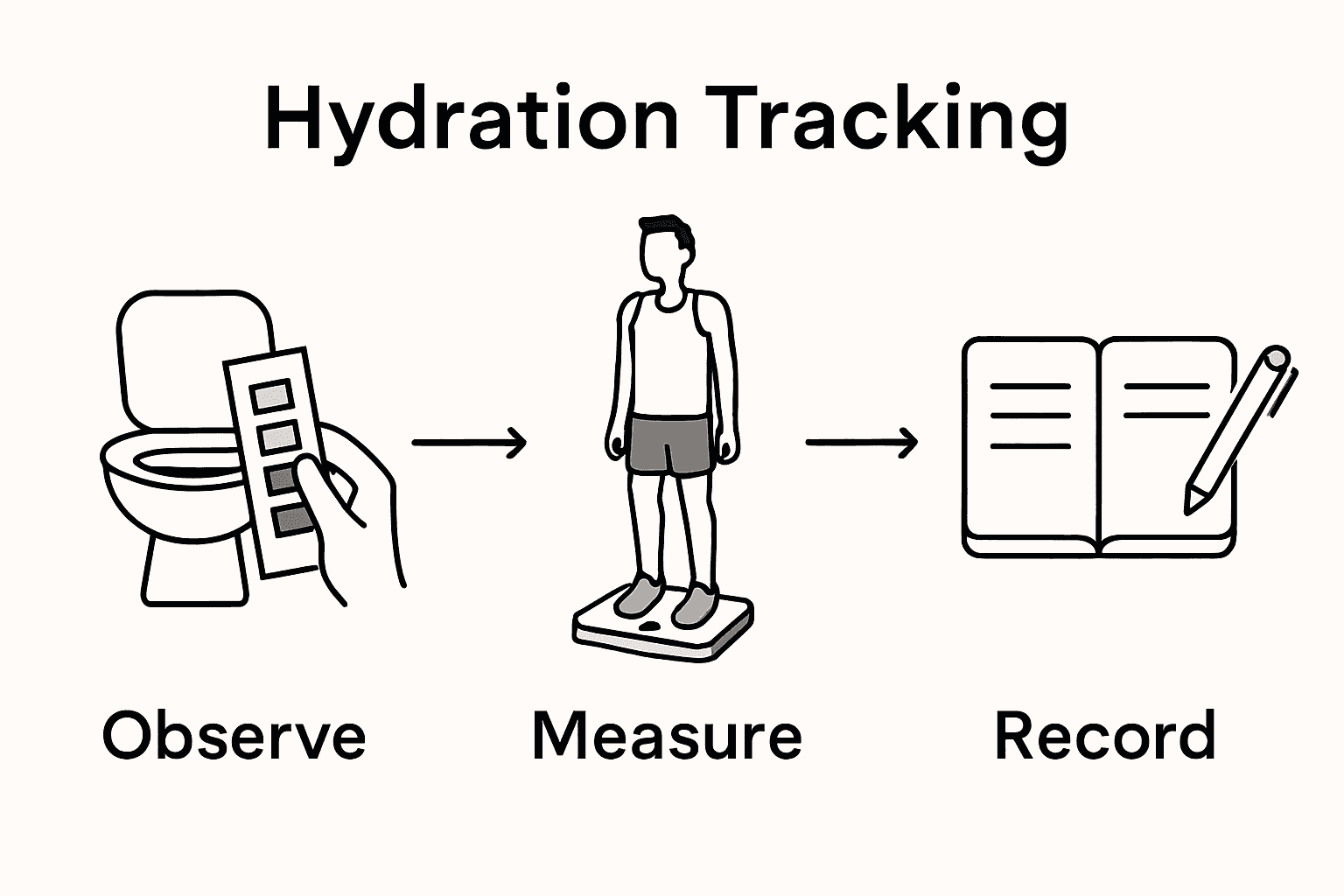
Advanced strategy: Develop a digital or physical log documenting your hydration indicators to identify your unique physiological patterns and optimise your fluid intake.
Tip for experts: Hydration is a dynamic personal science. Your body communicates its needs constantly learn to listen and respond with precision.
Elevate Your Pre-Workout Hydration Strategy with Natural Solutions
Mastering your hydration before intense workouts is key to unlocking peak performance. The challenge lies in accurately assessing your hydration needs and choosing the right natural electrolyte supplements that support your body’s balance without synthetic additives. Achieving precise timing and preparation of your hydration solution can transform your training outcomes and help you avoid fatigue and dehydration during high intensity exercise.
Discover how our carefully crafted Pre-workout – Interval range complements your hydration goals with natural ingredients designed for athletes like you. Whether you want to tailor your electrolyte intake or streamline your fluid strategy, our Bundle – Interval selections provide a convenient way to integrate effective hydration and energy support in one pack. Start by exploring our Staples – Interval for foundational supplements that enhance your routine.
Take control of your hydration now to maximise your athletic potential. Visit https://useinterval.co.uk and find the perfect natural solutions that align with your personalised pre-workout hydration process. Your peak performance awaits.
Frequently Asked Questions
How can I assess my current hydration levels before a workout?
To assess your hydration levels, monitor the colour and frequency of your urine. Aim for a pale straw or light yellow colour, while dark amber indicates dehydration. Check your urine after drinking water and adjust your fluid intake based on these observations.
What are the best natural electrolyte supplements to use before a workout?
Opt for natural electrolyte supplements that contain sodium, potassium, magnesium, and calcium from whole food sources like coconut water or sea salt. Read the ingredient list to avoid excessive artificial additives and choose products with minimal processing to ensure optimal performance benefits.
How much fluid should I consume before and during my workout?
Drink approximately 400-500 ml of water around 2 hours before your workout to ensure your body is well-hydrated. During the workout, take small sips every 15-20 minutes to maintain hydration and electrolyte balance.
How do I prepare my hydration solution effectively?
Prepare your hydration solution by accurately measuring the recommended powder or liquid concentrate in clean, cool water. Mix thoroughly until fully dissolved, and consider consuming the solution about 30 minutes before your workout to allow for initial absorption.
What signs should I monitor to ensure optimal hydration?
Monitor your urine colour and frequency, aiming for regular urination every 2-3 hours and a pale yellow colour. Additional signs of proper hydration include stable body weight, good energy levels during workouts, and skin elasticity, which you can assess with a simple skin pinch test.
How can I create a personal hydration tracking system?
Create a hydration log to document your morning body weight, urine characteristics, and physical performance after workouts. By consistently tracking these indicators, you can personalise your fluid intake strategy to meet your unique hydration needs.