


Hyrox Race Nutrition: Boosting British Female Performance
Nearly 80 percent of british female athletes say nutrition is a deciding factor in their Hyrox results. If you are training for London’s next Hyrox event or competing across the United Kingdom, the right nutritional strategy can mean the difference between hitting your personal best and burning out mid-race. Discover what makes natural nutrition essential for managing intense workouts, rapid recovery, and sustained peak performance at every stage of your british Hyrox journey.
Table of Contents
- Defining Hyrox Race Nutrition Essentials
- Types of Nutrition: Carbs, Protein, Electrolytes
- Fuel Timing Around Hyrox Training and Race
- Supplements: Natural Solutions for High Intensity
- Hydration, Recovery, and Common Pitfalls
Key Takeaways
| Point | Details |
|---|---|
| Nutritional Balance is Crucial | Female Hyrox athletes should prioritise a balanced intake of carbohydrates, protein, and electrolytes for optimal performance and recovery. |
| Strategic Timing Enhances Performance | Proper nutrition timing—pre, during, and post-race—is essential for maintaining energy levels and ensuring effective recovery. |
| Hydration and Recovery are Key | Developing comprehensive hydration strategies and recovery protocols is vital for preventing performance degradation and managing stress effectively. |
| Personalisation is Essential | Athletes should consult with nutrition experts to tailor their nutrition and supplement strategies to meet individual metabolic needs and performance goals. |
Defining Hyrox Race Nutrition Essentials
Hyrox race nutrition represents a strategic approach to fuelling female athletes through complex endurance challenges. Understanding the fundamental nutritional requirements is crucial for maintaining peak performance throughout these intense functional fitness competitions. Comprehensive nutrition strategies focus on three critical phases: pre-race preparation, during-race fuelling, and post-race recovery.
Carbohydrates serve as the primary energy source for Hyrox athletes, with recommended daily intake ranging between 4-7g per kilogram of body weight. This targeted carbohydrate consumption ensures glycogen stores remain fully loaded, supporting the sustained high-intensity efforts characteristic of Hyrox competitions. Female athletes should prioritise complex carbohydrates from whole grains, fruits, and vegetables to provide steady energy release and support optimal performance.
Protein plays an equally significant role in Hyrox race nutrition, particularly for muscle maintenance and recovery. Consuming approximately 1.6-2.2g of protein per kilogram of body weight helps preserve muscle mass during intense training and supports rapid post-exercise repair. Performance nutrition guidelines recommend distributing protein intake across multiple meals to maximise muscle protein synthesis and enhance overall athletic adaptation.
Pro Tip: Experiment with your nutrition strategy during training sessions to determine the optimal balance of carbohydrates and protein that works best for your individual metabolic needs and performance goals.
Types of Nutrition: Carbs, Protein, Electrolytes
Hyrox athletes require a sophisticated nutritional approach that balances three critical macronutrients: carbohydrates, protein, and electrolytes. Critical macronutrient strategies form the foundation of successful performance and recovery in these demanding functional fitness competitions.
Carbohydrates represent the primary energy source for Hyrox athletes, providing essential fuel for sustained high-intensity efforts. Female athletes should aim to consume complex carbohydrates that offer steady energy release, targeting 4-7g per kilogram of body weight daily. These carbohydrates help maintain glycogen stores, enabling athletes to perform consistently throughout challenging training sessions and race day events. Strategic carbohydrate consumption supports muscle glycogen replenishment and helps prevent mid-competition energy depletion.
Protein plays a crucial role in muscle maintenance, repair, and adaptation. Recommended protein intake ranges between 1.6-2.2g per kilogram of body weight, distributed across multiple meals to optimise muscle protein synthesis. Nutritional intake for performance emphasises the importance of high-quality protein sources such as lean meats, fish, eggs, and plant-based proteins that support muscle recovery and strength development. Female Hyrox athletes should focus on complete protein sources that provide all essential amino acids necessary for robust muscle repair.

Electrolytes represent the final cornerstone of effective Hyrox nutrition, critical for maintaining hydration and muscular function during intense physical exertion. These essential minerals—including sodium, potassium, and magnesium—help regulate fluid balance, prevent cramping, and support neural transmission during high-stress athletic performances. Proper electrolyte management becomes particularly important for female athletes training and competing in varied environmental conditions.
Pro Tip: Develop a personalised nutrition strategy by tracking your energy levels, recovery, and performance while systematically adjusting your macronutrient ratios during training sessions.
The following table compares the roles and sources of key nutrients for female Hyrox athletes:
| Nutrient | Function in Hyrox Performance | Ideal Food/Supplement Sources |
|---|---|---|
| Carbohydrates | Main energy for endurance events | Brown rice, sweet potato, oats |
| Protein | Muscle repair and adaptation | Chicken, lentils, whey, tofu |
| Electrolytes | Hydration and cramp prevention | Coconut water, sea salt, bananas |
Fuel Timing Around Hyrox Training and Race
Nutrition timing plays a pivotal role in optimising Hyrox performance for female athletes, with strategic fuelling becoming crucial across training and race day preparations. Comprehensive nutrition strategy demands precise planning to ensure sustained energy, muscle preservation, and efficient recovery.
Pre-training nutrition requires careful consideration, with female Hyrox athletes recommended to consume a high-carbohydrate meal 3-4 hours before exercise. This approach provides sustained energy while preventing gastrointestinal discomfort during intense workouts. Light snacks consumed 1-2 hours prior can help maintain blood sugar levels and prevent hunger without overwhelming the digestive system. Complex carbohydrates paired with moderate protein create an ideal pre-workout nutritional profile, supporting both immediate and prolonged energy requirements.
During race and high-intensity training sessions, athletes must focus on maintaining energy levels through strategic fuelling. Liquid carbohydrate sources and easily digestible electrolyte drinks can help replenish nutrients without causing digestive stress. Nutrition timing techniques emphasise the importance of consuming small, frequent nutritional inputs to maintain consistent performance throughout demanding Hyrox events.
Post-exercise nutrition represents a critical window for recovery, with experts recommending protein and carbohydrate intake within 30-60 minutes after completing training or competition. This timeframe maximises muscle glycogen replenishment and supports rapid muscle repair, helping athletes recover more effectively and prepare for subsequent training sessions. The ideal post-workout meal should combine high-quality protein sources with complex carbohydrates to optimise recovery processes.
Pro Tip: Create a personalised nutrition log to track how different meal timings and compositions impact your energy levels, recovery, and overall Hyrox performance.
Here is a summary of nutritional focuses and recommended timing around Hyrox training and racing:
| Phase | Primary Focus | Timing Guidance | Key Examples |
|---|---|---|---|
| Pre-Training | Glycogen maximisation | 3–4 hours before activity | Whole grain meal with protein |
| During Training | Sustained energy, hydration | Small, frequent intakes | Isotonic drinks, fruit snacks |
| Post-Exercise | Recovery & repair | Within 30–60 minutes after | Protein shake, oats, banana |
Supplements: Natural Solutions for High Intensity
Hyrox athletes require sophisticated, natural supplementation strategies that support high-intensity performance without compromising health or introducing artificial substances. Natural supplement options provide targeted nutritional support designed to enhance endurance, muscle recovery, and overall athletic performance.
Branched-chain amino acids (BCAAs) represent a crucial natural supplement for female Hyrox athletes, supporting muscle protein synthesis and reducing exercise-induced fatigue. These essential amino acids help minimise muscle breakdown during intense training sessions, promoting faster recovery and maintaining lean muscle mass. Protein powders derived from whole food sources like pea, hemp, and brown rice offer complete amino acid profiles while avoiding synthetic additives, making them ideal for athletes seeking clean nutritional support.
Natural caffeine sources such as green tea extract and guarana provide performance-enhancing benefits without the harsh side effects associated with synthetic stimulants. These alternatives offer controlled energy release, improving mental focus and physical endurance during challenging Hyrox workouts. Evidence-based supplement strategies emphasise selecting supplements that provide sustained energy and support metabolic function without compromising an athlete’s overall nutritional balance.
Electrolyte supplements derived from natural sources like coconut water, sea salt, and mineral-rich plant extracts offer crucial hydration support during high-intensity training. These natural alternatives help maintain fluid balance, prevent cramping, and support neural transmission more effectively than synthetic electrolyte replacements. Female Hyrox athletes should prioritise supplements that provide comprehensive mineral support while avoiding unnecessary artificial ingredients.
Pro Tip: Consult with a sports nutritionist to develop a personalised supplement strategy that aligns precisely with your individual metabolic needs and Hyrox performance goals.
Hydration, Recovery, and Common Pitfalls
Hyrox athletes face numerous challenges in maintaining optimal performance and recovery, with hydration and strategic recuperation playing pivotal roles in their success. Comprehensive recovery strategies are essential for preventing performance degradation and minimising the risk of injury during high-intensity training and competition.
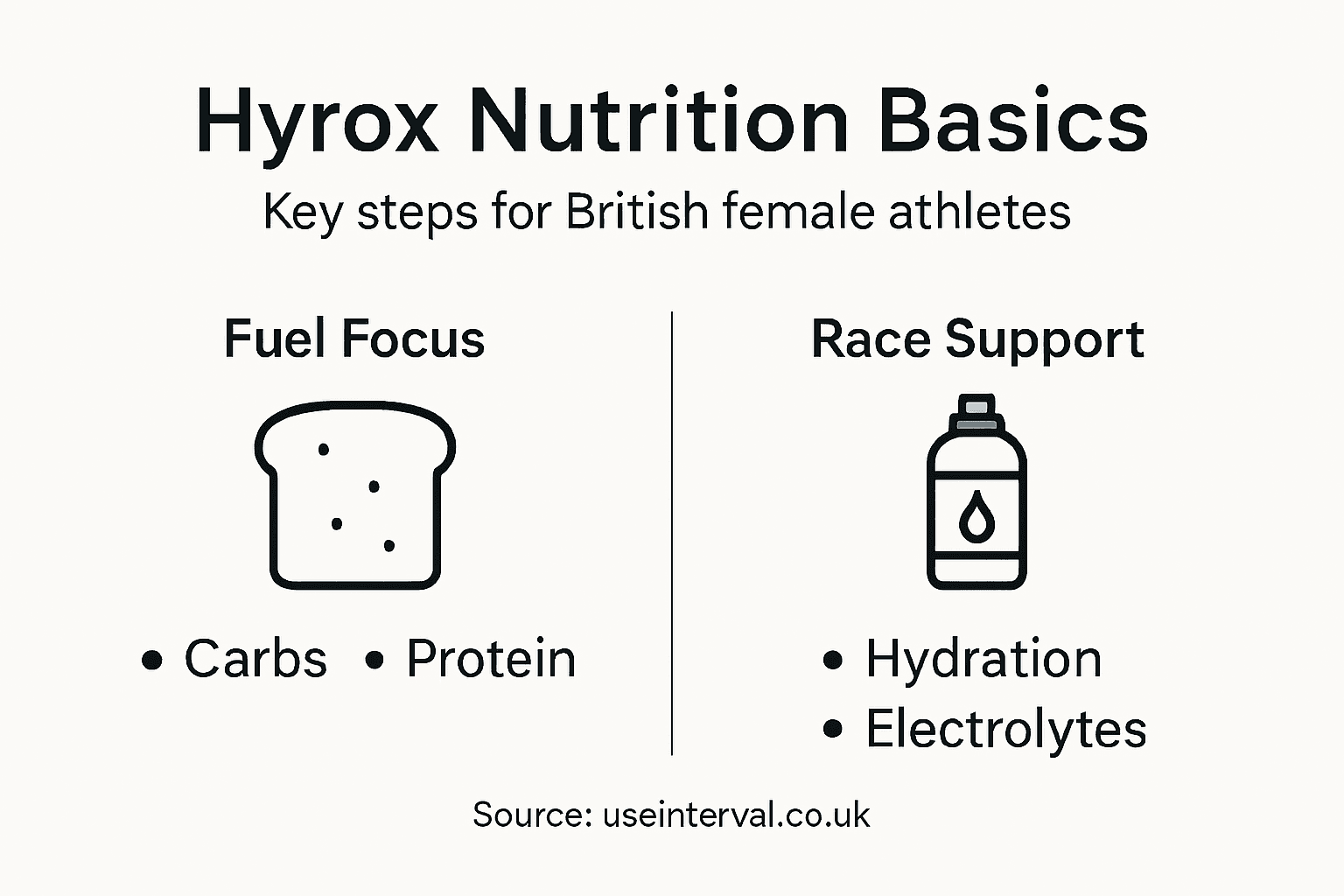
Hydration represents a critical element of Hyrox performance, with underhydration emerging as a significant pitfall that can dramatically compromise athletic output. Female athletes must develop nuanced hydration strategies that extend beyond simple water consumption, incorporating electrolyte balance and precise fluid intake timing. Monitoring urine colour, tracking daily fluid consumption, and understanding individual sweat rates become fundamental practices for maintaining optimal hydration levels throughout training and competition cycles.
Post-race recovery demands a structured approach that addresses both physiological and metabolic stress. Nutrition and recovery protocols emphasise immediate nutrient replenishment within 30-60 minutes after intense exercise, focusing on a balanced combination of high-quality protein and complex carbohydrates. Active recovery techniques such as light stretching, gentle movement, and targeted mobility work can significantly enhance muscle repair and reduce post-exercise inflammation, preventing long-term performance limitations.
Common nutritional and recovery pitfalls include neglecting sleep quality, failing to manage stress levels, and inconsistent hydration practices. Female Hyrox athletes must recognise that recovery is not merely a passive process but an active strategy requiring deliberate intervention. Implementing consistent sleep routines, managing psychological stress, and developing personalised recovery protocols are crucial for maintaining long-term athletic resilience and preventing burnout.
Pro Tip: Create a detailed recovery journal tracking hydration, nutrition, sleep quality, and perceived exertion to identify patterns and optimise your individual performance strategy.
Elevate Your Hyrox Race Nutrition with Natural Performance Support
Female athletes competing in high-intensity Hyrox races face the challenge of balancing precise carbohydrate and protein intake with the need for effective hydration and muscle recovery. Key pitfalls like dehydration, energy dips, and slow muscle repair can hinder your race day success. That is why utilising natural supplements designed specifically for endurance and functional fitness can make all the difference in sustaining energy and enhancing recovery.
Explore our specialised range of Pre-workout – Interval products that harness natural ingredients to boost mental focus and physical endurance before your race. Combine these with our expertly formulated Electrolyte – Interval supplements to maintain hydration levels and prevent cramping during intense sessions. Together, these essentials support your personalised Hyrox nutrition strategy so you can train harder and recover faster.
Take control of your Hyrox performance today. Visit useinterval.co.uk and discover how our clean, natural supplements can seamlessly fit into your race preparation and recovery routine. Don’t wait until race day to find what works – fuel your training with confidence right now.
Frequently Asked Questions
What is the ideal carbohydrate intake for female Hyrox athletes?
Female Hyrox athletes should consume between 4-7g of carbohydrates per kilogram of body weight daily to maintain glycogen stores essential for high-intensity performance.
How important is protein intake for recovery after Hyrox training?
Protein intake is crucial for recovery, with recommendations suggesting approximately 1.6-2.2g of protein per kilogram of body weight to support muscle maintenance and repair after intense training or competition.
What role do electrolytes play in Hyrox nutrition?
Electrolytes are vital for maintaining hydration and muscular function during high-intensity efforts. They help regulate fluid balance and prevent cramping, which is important for optimal performance.
What should I eat before a Hyrox training session or race?
It is recommended to consume a high-carbohydrate meal 3-4 hours before exercise, along with light snacks 1-2 hours prior to maintain energy levels without digestive discomfort.
Recommended
- Role of Nutrition in Hyrox – Boosting Female Performance – Interval
- Performance Nutrition for Hyrox – Unlocking Endurance & Recovery – Interval
- Sports Supplementation – Natural Support for Hyrox Women – Interval
- Why Hyrox Athletes Need Electrolytes for Performance – Interval
- 2 Pack Hydration Backpack with 2L Water Hydration Bladder Hydration Water Backpa