


Why Sustainable Supplementation Matters for UK Athletes
More than 60 percent of British athletes are now considering the environmental impact of their supplements alongside performance. Growing awareness of how nutrition choices affect both personal health and the planet has sparked a shift toward sustainable supplementation. Understanding what makes supplementation truly sustainable empowers British athletes and everyday fitness enthusiasts to choose products that support long-term wellbeing while also safeguarding the environment.
Table of Contents
- What Sustainable Supplementation Means
- Regulations And Quality Standards
- Benefits Of Organic Natural Ingredients
- Risks Of Non‑Sustainable Supplements
- How Sustainability Boosts Sport Performance
Key Takeaways
| Point | Details |
|---|---|
| Sustainable Supplementation | It encompasses nutrition that prioritises both human health and environmental responsibility. |
| Organic Ingredients | Selecting organic supplements enhances nutrient absorption and reduces exposure to harmful additives. |
| Regulatory Standards | UK regulations ensure supplement safety, emphasising ethical sourcing and transparent labelling. |
| Impact on Performance | Sustainable practices contribute to improved athletic performance and long-term health benefits. |
What Sustainable Supplementation Means
Sustainable supplementation represents a holistic approach to nutrition that prioritises human health, environmental responsibility, and long-term athletic performance. At its core, this philosophy goes beyond simply consuming nutrients and considers the broader impact of nutritional choices on personal wellness and ecological systems.
For athletes specifically, sustainable supplementation involves selecting products that are not only effective but also produced through environmentally conscious methods. UK Sport’s Environmental Sustainability Strategy highlights the critical importance of responsible consumption in high-performance sports, emphasising that nutrition choices can contribute to broader environmental goals.
Key characteristics of sustainable supplementation include sourcing natural ingredients, minimising carbon footprint during production, supporting ethical manufacturing practices, and ensuring transparent supply chains. These principles mean choosing supplements that are minimally processed, derived from renewable resources, and packaged in environmentally friendly materials. Natural supplement selections can significantly reduce environmental impact while providing high-quality nutritional support for athletic performance.
Moreover, sustainable supplementation requires athletes to understand precise nutritional needs rather than consuming supplements indiscriminately. This approach involves working with nutrition professionals, conducting personalised assessments, and selecting targeted supplements that address specific physiological requirements.
Here is a comparison of sustainable and non-sustainable supplementation approaches for athletes:
| Aspect | Sustainable Supplementation | Non-Sustainable Supplementation |
|---|---|---|
| Ingredient Sourcing | Natural, renewable origins | Synthetic, potentially non-renewable |
| Manufacturing Impact | Low carbon footprint, ethical | High waste, environmental harm |
| Product Transparency | Clear supply chain and labelling | Opaque origins and processes |
| Nutritional Consistency | Maintains bioavailability, targeted dosing | Inconsistent quality, possible contaminants |
| Long-term Health Effect | Supports ongoing wellness | Potential for adverse health risks |
Pro Nutrition Insight: Research your supplement sources meticulously, prioritising brands that demonstrate genuine commitment to environmental sustainability and transparent ingredient sourcing.
Regulations And Quality Standards
In the United Kingdom, dietary supplements are subject to rigorous regulatory frameworks designed to protect consumer health and ensure product integrity. The Food Supplements (England) Regulations 2003 establish comprehensive guidelines that manufacturers must follow, covering everything from ingredient composition to labeling requirements.
The Food Standards Agency plays a critical role in monitoring supplement quality, mandating that all products meet stringent safety standards. Food supplement regulations require manufacturers to provide transparent information about ingredients, nutritional content, and potential allergens. This ensures athletes can make informed decisions about the supplements they consume, understanding precisely what they are putting into their bodies.
Key regulatory aspects include strict controls on permissible ingredients, maximum vitamin and mineral dosages, and mandatory labeling protocols. Supplement companies must demonstrate that their products do not contain prohibited substances, particularly important for athletes competing in professional sports where inadvertent doping can result in severe penalties. The regulations also mandate clear packaging that displays nutritional information, recommended daily intake, and potential health warnings.
Beyond legal compliance, quality standards in sustainable supplementation also encompass ethical sourcing, environmental impact, and transparent supply chain management. Athletes seeking high-quality supplements should look for products that not only meet regulatory requirements but also demonstrate a commitment to sustainable and responsible production practices.
Pro Quality Check: Always verify supplement certifications and independently tested products, ensuring they comply with UK nutritional standards and contain exactly what the label claims.
Benefits Of Organic Natural Ingredients
Organic natural ingredients represent a superior approach to supplementation, offering athletes a cleaner, more comprehensive nutritional strategy. Choosing supplements with organic ingredients can significantly reduce exposure to synthetic additives and potentially harmful contaminants, promoting optimal athletic performance and long-term health.
The nutritional profile of organic supplements stands out due to their minimally processed nature. Unlike synthetic alternatives, natural ingredients typically retain more of their original phytonutrients, enzymes, and micronutrients. Plant-based pre-workout options demonstrate how organic ingredients can provide more comprehensive nutritional support, delivering bioavailable nutrients that support muscle recovery, energy production, and overall metabolic function.

Key benefits of organic natural ingredients include enhanced nutrient absorption, reduced chemical exposure, and improved environmental sustainability. Athletes can experience more consistent energy levels, better recovery times, and reduced inflammatory responses when consuming supplements derived from high-quality, organically sourced ingredients. The British Dietetic Association emphasises the importance of selecting supplements from reputable suppliers who prioritise ingredient quality and transparency.
Moreover, organic natural ingredients support a holistic approach to athletic nutrition by minimising potential interactions with synthetic compounds. This approach considers not just immediate performance gains, but long-term health and wellness, aligning with sustainable supplementation principles that prioritise the athlete’s complete physiological ecosystem.
Pro Nutrition Insight: Always verify the organic certification and sourcing details of your supplements, ensuring they meet stringent quality standards and provide genuine nutritional value.
Risks Of Non‑Sustainable Supplements
Non-sustainable supplements pose significant risks to athletes’ health, performance, and overall well-being. Sustainable workout supplements are crucial for mitigating potential negative consequences associated with poorly sourced and manufactured nutritional products.
The primary risks of non-sustainable supplements include potential contamination with harmful synthetic additives, inconsistent ingredient quality, and potentially dangerous manufacturing processes. Athletes consuming these products may experience unexpected side effects, ranging from mild digestive disturbances to more serious hormonal imbalances and performance degradation. The lack of transparent sourcing means athletes cannot verify the true origin or processing methods of their nutritional supplements.
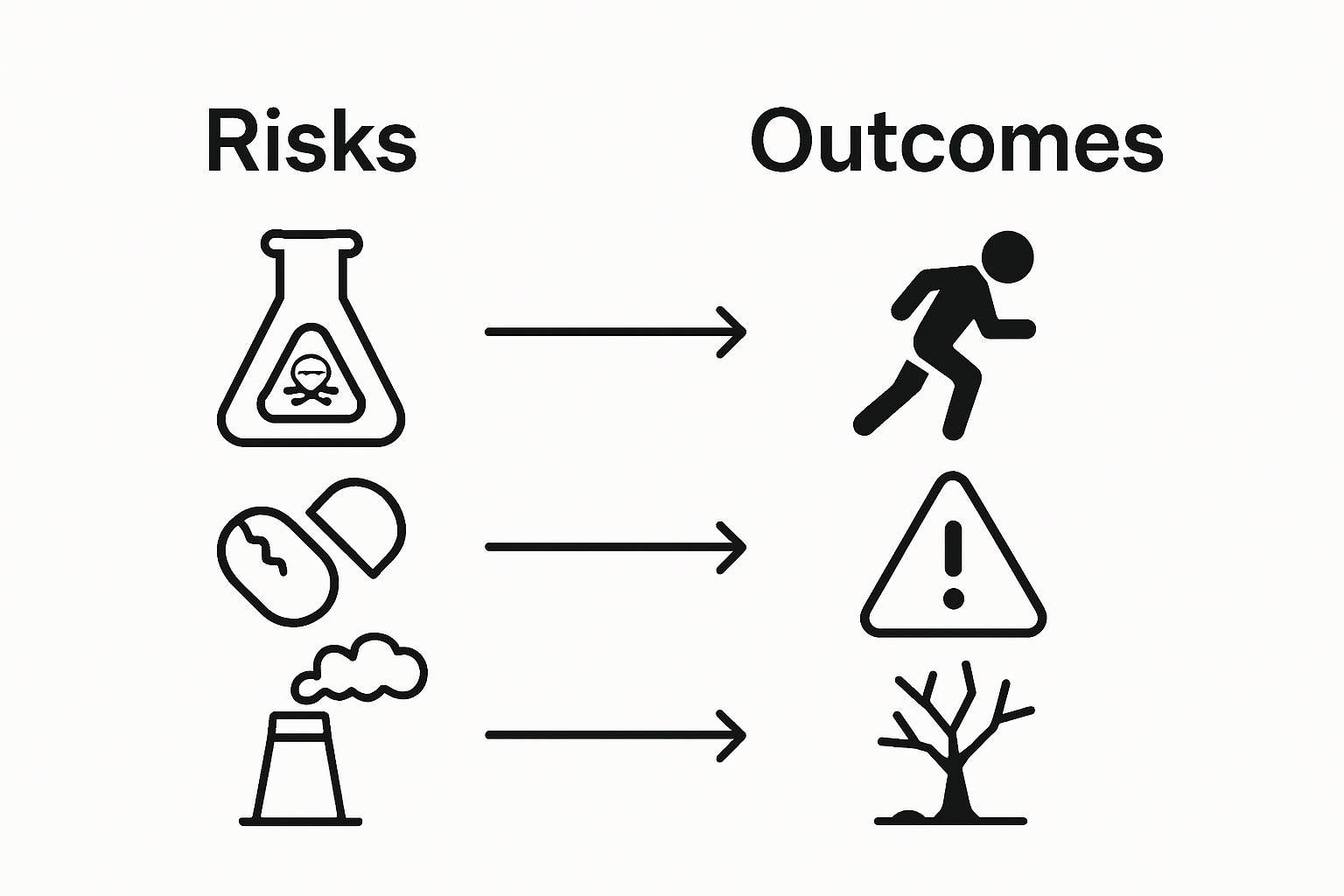
Environmental concerns further compound the risks of non-sustainable supplements. Unethical manufacturing practices contribute to increased carbon footprints, excessive waste production, and potential ecosystem damage. Synthetic supplements often rely on petroleum-based ingredients and complex chemical processes that generate significant environmental pollution, ultimately undermining the long-term sustainability of athletic nutrition.
Moreover, non-sustainable supplements frequently compromise nutritional integrity. Mass-produced products typically prioritise cost-efficiency over nutrient preservation, resulting in decreased bioavailability and reduced physiological effectiveness. Athletes may inadvertently consume supplements with diminished nutritional value, potentially hindering their performance and recovery potential.
Pro Safety Insight: Always investigate supplement sourcing, prioritise brands committed to transparent, ethical production methods, and verify ingredient quality before incorporating any new nutritional product into your athletic regimen.
How Sustainability Boosts Sport Performance
UK Sport’s sustainability strategy demonstrates how sustainable practices directly contribute to enhanced athletic performance, creating a holistic approach that benefits both athletes and the broader sporting ecosystem. Sustainability is not merely an environmental consideration, but a critical factor in optimising physiological potential and long-term athletic development.
Sustainable supplementation plays a pivotal role in performance enhancement by ensuring athletes receive high-quality, bioavailable nutrients that support complex metabolic processes. Balanced electrolyte strategies contribute to improved hydration, muscle function, and recovery, demonstrating how thoughtful nutritional choices can translate directly into performance gains. Athletes who prioritise sustainable supplements experience more consistent energy levels, reduced inflammatory responses, and enhanced cellular regeneration.
The interconnection between sustainable nutrition and athletic performance extends beyond immediate physiological benefits. Nutritional sustainability encompasses sourcing practices, ingredient quality, and environmental impact, creating a comprehensive approach that supports both individual athlete development and broader ecological responsibility. By selecting supplements produced through ethical, transparent methods, athletes contribute to a more responsible sporting ecosystem while simultaneously optimising their physiological potential.
Moreover, sustainable supplementation strategies support long-term athletic progression by minimising potential health risks associated with synthetic or poorly sourced nutritional products. The emphasis on natural, minimally processed ingredients ensures that athletes receive pure, effective nutritional support without compromising their bodies’ intricate biochemical balance.
Below is a summary of how sustainable supplementation practices can positively influence sport performance:
| Performance Benefit | How Sustainability Contributes | Example Outcome |
|---|---|---|
| Bioavailable Nutrition | Higher absorption of natural nutrients | Improved energy and recovery |
| Reduced Inflammation | Fewer synthetic additives, plant compounds | Faster muscle repair |
| Enhanced Recovery | Ethically sourced electrolytes and vitamins | Sustained high performance |
| Consistent Energy Levels | Stable compounds, no artificial stimulants | Steady output during events |
Pro Performance Insight: Integrate sustainable supplements strategically, focusing on whole-ingredient sources that provide comprehensive nutritional support and align with your specific athletic performance goals.
Fuel Your Performance with Sustainable Supplements Designed for UK Athletes
Athletes demanding high intensity performance face challenges like maintaining long-term wellness and choosing supplements that align with environmental responsibility. This article highlights the importance of selecting products with natural ingredients and transparent sourcing to support both health and sustainability. Your goal is clear: invest in bioavailable, ethically made supplements that enhance recovery and energy without compromising the planet.
Explore our range of Pre-workout and Electrolyte supplements crafted specifically for high intensity sports using sustainable, natural ingredients.

Make the switch today to sustainable supplementation at Use Interval and experience how clean nutrition powers your performance with integrity. Choose products that protect your health and the environment. Visit us now and take the next step in elevating your athletic journey with supplements you can trust.
Frequently Asked Questions
What is sustainable supplementation?
Sustainable supplementation is a holistic approach that prioritises human health and environmental responsibility, focusing on the long-term effectiveness of nutritional choices and their impact on wellness and ecological systems.
Why is sourcing natural ingredients important for athletes?
Sourcing natural ingredients reduces exposure to synthetic additives and contaminants, ensuring that athletes receive high-quality nutritional support that enhances performance and promotes long-term health.
How does sustainable supplementation affect athletic performance?
Sustainable supplementation contributes to improved performance by providing bioavailable nutrients, reducing inflammation, and enhancing recovery times, ultimately supporting consistent energy levels during events.
What are the risks of using non-sustainable supplements?
Non-sustainable supplements pose risks such as potential contamination, inconsistent ingredient quality, and adverse health effects, which can hinder athletic performance and undermine overall well-being.