


How to Plan Pre-Race Meals Naturally for Peak Performance
Planning your Hyrox race day starts long before the starter’s gun fires. For many British women juggling intense training with busy lives, personalised pre-race nutrition can make the difference between fatigue and feeling strong from the first run to the final wall ball. By focusing on tailoring pre-race nutrition to your individual energy needs and using natural, familiar ingredients, you set yourself up for optimal energy, comfort, and confidence when it matters most.
Table of Contents
- Step 1: Assess Personal Needs And Race Demands
- Step 2: Select High-Energy Natural Ingredients
- Step 3: Time Meal Intake For Optimal Energy
- Step 4: Balance Hydration With Electrolytes
- Step 5: Test Pre-Race Meal Strategy In Training
Quick Summary
| Essential Insight | Explanation |
|---|---|
| 1. Assess your personal needs | Understand your fitness level and unique energy demands before determining your pre-race nutrition strategy. |
| 2. Choose whole, natural foods | Opt for easy-to-digest, natural ingredients like bananas and oats that provide stable energy for your race. |
| 3. Time your meals effectively | Consume a substantial meal 3 to 4 hours before the race and a smaller snack 1 to 2 hours prior for optimal energy. |
| 4. Hydrate with electrolytes | Include electrolyte drinks before and during the race to replace lost minerals and maintain performance. |
| 5. Test your strategy during training | Regularly practice your pre-race nutrition plan to identify what works best for your body and avoid digestive issues on race day. |
Step 1: Assess personal needs and race demands
Before you even think about what to eat on race day, you need to understand what your body actually requires and what the Hyrox will demand of you. This isn’t about following someone else’s nutrition plan. It’s about building something that works specifically for your physiology, your fitness level, and the unique challenges of obstacle course racing. Two athletes can complete the same Hyrox course and have completely different energy requirements based on their training background, body composition, and racing strategy.
Start by honestly evaluating your current fitness level and how intensely you typically train. Are you hitting the box three times per week or six? Do your training sessions focus more on strength, endurance, or a combination? Diverse nutritional requirements vary significantly based on training intensity and competition level, so understanding where you sit on that spectrum matters. If you’re someone who’s trained consistently for years, your body’s fuel demands differ from someone newer to high-intensity sport. Think about your energy expenditure both during training and at rest. A woman who weighs 65 kilograms and trains intensely six days weekly will need more calories and carbohydrates than someone training twice weekly, and your pre-race meal should reflect that baseline reality.
Next, examine the specific Hyrox course layout for your race. Not all obstacle courses are created equal. Some feature more running between stations, others emphasise muscular endurance at the rig stations, and many combine both demands. Will you be racing on a flat urban course or one with significant elevation? How many legger stations will drain your legs before you hit the finishing push? The SkiErg, wall runs, and monkey bars require different energy systems than sustained running. A course heavily weighted towards functional fitness movements means you need different carbohydrate timing than one that’s essentially trail running with obstacles mixed in.
You also need to consider your digestion and your stomach’s capacity during exercise. Some women struggle with stomach upset when eating too close to intense activity, whilst others can tolerate a full meal hours before racing. This is where tailoring pre-race nutrition to race demands becomes genuinely personal. Your age, your history of GI issues, and your medication use all influence how much food your body can process efficiently. If you’ve experienced side stitches or nausea during past races, that tells you something crucial about your individual needs. Factor in any food intolerances or preferences as well. You’re not failing at nutrition if you can’t stomach porridge before racing. You’re being practical about what actually works for your body.
Think about your race time too. Are you competing at 6 AM, midday, or afternoon? Your pre-race meal timing and composition shift based on when you’ll actually be exerting yourself. An early morning race might require a smaller, more easily digestible meal within 90 minutes of start time, whilst an afternoon event gives you flexibility to eat a substantial breakfast and digest properly. Consider your typical energy patterns as well. If you naturally feel sluggish first thing in the morning or experience an energy dip mid-afternoon, that shapes when you should consume the bulk of your carbohydrates and protein.
Finally, assess your current nutritional baseline. What are you typically eating during your training weeks? If you’re already running low on iron, magnesium, or B vitamins from inadequate nutrition, your race day meal becomes even more critical. This is your chance to fill any nutritional gaps and fuel your body properly, not just on race day but in the weeks leading up to it. Look at your hydration habits too. If you’re chronically dehydrated during training, that’s something to address before race day arrives.
Pro tip Write down your training volume, course specifics, and any previous race day digestive issues, then test your planned meal during one of your hardest training sessions at the same time of day you’ll be racing. Nothing reveals whether your nutrition strategy actually works like race-pace effort.
To help you identify your unique pre-race needs, here is a summary of key factors and their impacts:
| Factor Assessed | Why It Matters | Impact on Nutrition Strategy |
|---|---|---|
| Training Frequency | Determines energy expenditure | Adjust caloric/carbohydrate intake accordingly |
| Course Type | Alters muscle and energy demands | Tailor carb timing and meal composition |
| Race Time | Affects digestion and hunger | Adjust meal size and timing |
| Digestive History | Highlights risk of GI issues | Choose low-risk foods and test them |
| Typical Diet Quality | Reveals nutrient adequacy | Address deficiencies in advance |
Step 2: Select high-energy natural ingredients
Now that you understand your personal needs and what the course will demand, it’s time to choose the actual foods that will fuel your performance. The key here is selecting ingredients that deliver genuine energy without leaving you feeling bloated or uncomfortable on race day. Natural, whole foods are your best allies because they digest predictably and provide sustained fuel rather than the blood sugar crash that often follows processed alternatives.
Start with carbohydrates as your foundation. Your body burns through glycogen rapidly during high-intensity exercise like Hyrox, so carbs are non-negotiable for maintaining energy across the full course. Natural sources of carbohydrates like oatmeal, bananas, toast, and rice-based meals provide easily digestible nutrients without the refined sugar spike and subsequent crash. A banana is genuinely one of the most underrated pre-race foods available to you. It’s portable, naturally sweet, packed with potassium for electrolyte balance, and most importantly, it sits well in your stomach even when you’re nervous or moving around on race morning. If you prefer something more substantial, porridge made with oats and water or milk digests smoothly and provides sustained carbohydrate release throughout your race. Rice cakes with a thin spread of honey offer another portable option that won’t cause digestive distress. Whole grain toast with a touch of honey or jam gives you the carbohydrate boost in a format that feels like actual breakfast rather than a sports food.
Next, add modest amounts of protein to slow down digestion and maintain stable blood sugar. You don’t need massive amounts of protein before racing, but a small quantity helps prevent the energy dip that can occur midway through your race. Eggs are excellent here, particularly if you eat them a couple of hours before your race start. A poached or scrambled egg on wholemeal toast combines protein, carbohydrates, and fats in a ratio that most stomachs tolerate well. If eggs don’t appeal to you, a small handful of almonds or a tablespoon of natural peanut butter on your toast provides protein without adding bulk. Greek yoghurt with granola and honey works beautifully for those racing later in the day, giving you protein, carbs, and a touch of natural sweetness all in one bowl.
Don’t overlook natural energy sources that bridge the gap between whole foods and performance nutrition. Honey is genuinely your friend here. A tablespoon or two mixed into porridge or spread on toast delivers quick carbohydrates in a form that’s been fuelling endurance athletes for centuries. Granola, particularly if you make your own or choose versions without excessive sugar, combines oats, nuts, and natural binding ingredients to create a food that’s both satisfying and performance-focused. High-energy natural ingredients like these ensure you’re not relying on artificial supplements when whole foods work just as effectively.
Consider the practical logistics of your chosen ingredients too. Whatever you select must be accessible in your location on race morning. If you’re travelling to a race venue, you need foods you can either pack or purchase easily. Bananas travel well. Porridge you can make in a hotel room. Toast you can grab at a café. Avoid trying experimental ingredients for the first time on race day. Your pre-race meal should feature foods you’ve eaten dozens of times during training, ideally at similar times of day and under similar intensity conditions. This removes guesswork and prevents your gut from staging a protest when you need it most.
Think about hydration as part of your ingredient selection too. Many natural whole foods contain water, which helps with overall hydration status. Bananas, porridge made with milk, and yoghurt all contribute to your fluid intake alongside whatever drink you’re consuming. This matters because arriving at the start line even slightly dehydrated will compromise your performance significantly.
Below is a comparison of common pre-race natural foods, their benefits, and practical considerations:
| Food Option | Key Benefit | Practicality on Race Day |
|---|---|---|
| Banana | Easy digestion, potassium | Portable, no prep needed |
| Oats/Porridge | Sustained energy release | Can be made in hotel or home |
| Wholemeal Toast | Carbohydrate boost | Available at cafés, easy prep |
| Greek Yoghurt | Protein and hydration | Must be kept chilled |
| Rice Cakes & Honey | Quick carbs, low residue | Lightweight, packable |
Pro tip Create a simple pre-race meal template using two or three combinations you’ve tested during training, then pick whichever feels right on the morning of your race based on your appetite and how your stomach is behaving. Flexibility beats rigid rules every single time.
Step 3: Time meal intake for optimal energy
Timing your pre-race meal correctly is just as important as what you actually eat. Your digestive system needs time to break down food and convert it into usable energy, but you also need that energy readily available when you hit the start line. Get this timing wrong and you’ll either feel heavy and sluggish during the race or experience an energy crash halfway through. The goal is to synchronise your meal intake with your body’s digestion and energy demands so you arrive at the Hyrox feeling properly fuelled without any gastric distress.
The classic approach involves eating a substantial, balanced meal approximately 3 to 4 hours before your race starts. This gives your digestive system adequate time to process the food and move it through your stomach, minimising the risk of cramping or nausea once you’re exerting yourself. A meal at this interval might look like porridge with fruit and honey, or eggs on wholemeal toast with a glass of juice. Your body will have absorbed the majority of nutrients by race time, and your glycogen stores will be topped up ready for the effort ahead. Then, about 1 to 2 hours before you begin racing, consume a smaller, carbohydrate-focused snack. Pre-race meal timing strategies suggest this secondary intake maintains your blood sugar levels without overwhelming your digestive system right before intense effort. A banana with a small handful of almonds, or a slice of toast with honey works perfectly here. The timing matters tremendously because your stomach is more settled two hours out from racing than it would be if you’d eaten your main meal closer to start time.

However, your individual circumstances might require adjustment to these general guidelines. If your Hyrox begins at 6 AM, eating a full breakfast three to four hours prior means waking at 2 AM, which isn’t realistic for most people. In this scenario, you might eat a modest meal one and a half hours before racing. Conversely, if you’re competing at 2 PM, a traditional breakfast at 9 or 10 AM followed by a snack at midday aligns perfectly with standard timing recommendations. Hydration alongside food timing is equally critical. You should be sipping fluids consistently throughout the morning, not just before eating. Dehydration accelerates fatigue and impairs your body’s ability to regulate temperature, so start hydrating early and continue until 20 or 30 minutes before your race begins.
The critical piece many athletes miss is that this timing strategy only works if you’ve tested it repeatedly during training. You cannot discover that a particular meal timing leaves you feeling nauseous at 5 km during actual racing. You need to know through experience what your stomach tolerates at various points before intense effort. During your training runs at similar intensities to race pace, eat your planned pre-race meal at the exact time you’ll consume it on race day, then immediately start hard exercise. This reveals whether your timing works for your physiology. Some women discover they need 4 hours instead of 3, or that 90 minutes suits them better than 2 hours. Your digestive efficiency differs from your training partner’s, so personalising this timing is non-negotiable.
Consider also your nervousness and how it affects your appetite. Many athletes feel genuinely anxious on race morning and struggle to eat. If this describes you, having a small snack you can manage even when nervous works better than forcing yourself through a full meal. A banana requires minimal appetite. A sports drink with honey provides carbohydrates in liquid form, which some stomachs tolerate more easily when anxiety is high. Additionally, race day hydration status matters enormously. If you arrive at the start line under-hydrated, no amount of perfect meal timing will compensate. Begin the day well-hydrated, continue sipping fluids throughout the morning, then taper your fluid intake about 30 minutes before racing to avoid needing a toilet break at an awkward moment.
Pro tip Set a phone reminder for meal times on race morning so you don’t lose track whilst managing race-day logistics and nerves. Eating on schedule happens far too easily when you’re focused on parking, collecting your bib, and warming up.
Step 4: Balance hydration with electrolytes
Hydration on race day isn’t simply about drinking water. Your body loses far more than just fluids when you’re sweating through obstacle course racing for two hours. You’re also losing electrolytes, minerals essential for muscle contraction, nerve function, and maintaining your cardiovascular system’s efficiency. Drinking plain water alone can actually dilute your blood sodium levels, leading to cramps, fatigue, and in severe cases, a dangerous condition called hyponatraemia. The real challenge is balancing your fluid intake with the electrolytes your body desperately needs to function optimally during intense effort.
Understand what you’re losing through sweat. The main electrolytes depleted during exercise are sodium, potassium, and magnesium. Sodium is perhaps the most critical for endurance athletes because it helps retain fluid and maintains the electrolyte balance necessary for muscle function. Potassium supports muscle contraction and prevents cramping, whilst magnesium aids energy production and muscle relaxation. Replacing electrolytes lost through sweat is critical to maintain muscle function and prevent cramps, particularly during high-intensity effort like Hyrox where you’re combining running with demanding functional fitness movements. If you’re racing for two hours in warm conditions, you could be losing 1 to 2 litres of sweat, carrying with it substantial quantities of these minerals. Plain water won’t replace what you’ve lost. You need deliberate electrolyte replacement through your fluid strategy.
Start your race day properly hydrated the evening before. This means drinking consistently throughout the day leading up to your race, not just in the final hours. Arrive at the race venue fully hydrated, which you can monitor by checking your urine colour. Pale, clear urine indicates good hydration status, whilst dark yellow suggests dehydration. Throughout race morning, continue drinking fluids with electrolytes rather than just water. A sports drink containing carbohydrates, sodium, and potassium gives you triple benefit: the carbs provide quick energy, the sodium helps your body retain fluids and maintain electrolyte balance, and the potassium supports muscle function. If you prefer natural options, coconut water provides natural electrolytes including potassium, though it’s lower in sodium than you might need for intense racing. You might combine coconut water with a pinch of sea salt to boost sodium content, or prepare your own electrolyte drink using water, honey for carbohydrates, and a pinch of sea salt.
During your actual Hyrox race, you’ll be moving between stations with built-in fluid stops. Take full advantage of these. Drink small amounts regularly rather than attempting to gulp a large volume at once. A few sips every 15 to 20 minutes keeps your fluid levels steady without causing stomach discomfort. At each fluid station, prioritise electrolyte-containing drinks. Many race organisers provide sports drinks designed specifically for this purpose. If you’re bringing your own fluids, ensure they contain sodium and ideally some carbohydrates to maintain your energy levels. Starting race day fully hydrated with electrolyte-containing fluids helps replenish losses during exercise and prevents the performance decline that occurs when you become even slightly dehydrated.
Be aware that individual sweat rates vary dramatically. A woman who weighs 70 kilograms and is highly trained might lose fluids differently than someone at 60 kilograms or someone newer to racing. Environmental conditions matter too. Warm weather increases your sweat rate significantly, potentially doubling your electrolyte losses compared to cooler conditions. This is why your training preparation matters. During your hardest training sessions, experiment with different hydration strategies. Try drinking electrolyte drinks at various intervals and note how your performance and digestion respond. Some athletes tolerate frequent small sips perfectly, whilst others prefer drinking less frequently. Discover your personal optimal strategy before race day when the stakes are genuine.
After finishing your Hyrox, rehydration continues to matter. You won’t suddenly stop sweating once you cross the finish line. Your body temperature remains elevated and you continue losing electrolytes through perspiration for 20 to 30 minutes after intense effort. Drink something containing both carbohydrates and electrolytes within 30 minutes of finishing. This accelerates your recovery, replenishes your glycogen stores, and restores your electrolyte balance far more effectively than waiting hours or consuming only water. This post-race nutrition strategy sets you up for better recovery and preparation for your next training session.
Pro tip Test your exact race day hydration strategy during your most intense training sessions, including the specific drinks or electrolyte combinations you’ll consume, so you arrive at the start line knowing exactly how your stomach responds to your planned fluid intake.
Step 5: Test pre-race meal strategy in training
You’ve selected your ingredients, planned your timing, and sorted your hydration strategy. Now comes the step that separates athletes who perform brilliantly on race day from those who struggle with preventable digestive disasters. You need to test your entire pre-race meal strategy during actual training, under conditions that closely mirror what you’ll experience during your Hyrox. This isn’t optional. This is the difference between arriving at the start line confident in your nutrition or anxious about whether your stomach will hold up.
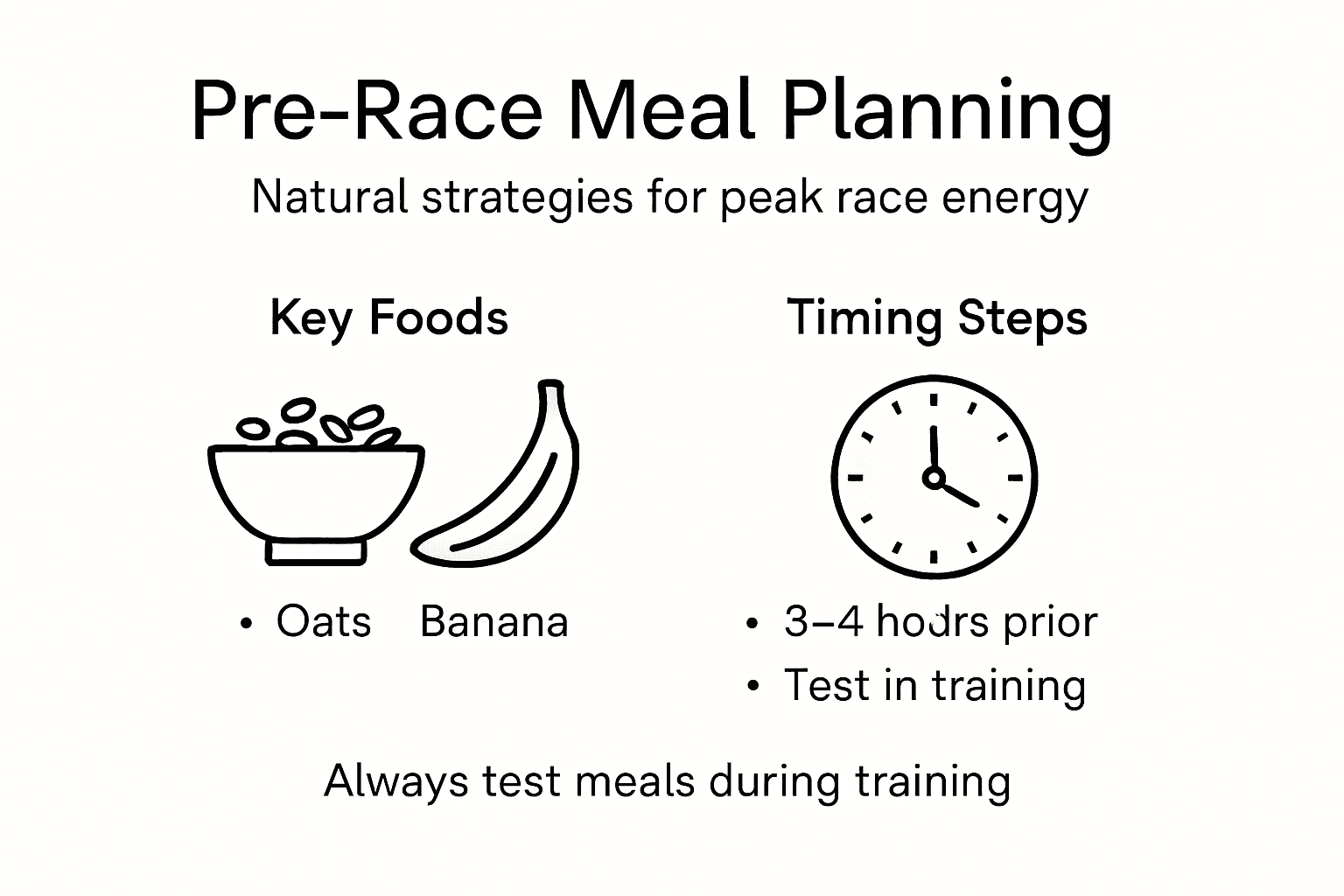
Start by testing individual foods during your training sessions. Pick one of your planned pre-race meals and eat it at the exact time you’ll consume it on race day. If you’re planning to eat porridge two hours before your race, eat porridge two hours before a hard training session. If you want a banana 90 minutes before racing, test that timing during a training run at similar intensity. Pay close attention to how your stomach responds. Does the food sit comfortably or do you feel bloated and sluggish? Do you experience cramping, nausea, or digestive upset? Does your energy feel sustained throughout the effort or do you hit a wall halfway through? These observations reveal whether your chosen meal genuinely works for your physiology or whether you need adjustments. Testing pre-race meals during training allows you to develop an individualised plan that you can comfortably tolerate, avoiding unexpected digestive problems on race day.
Don’t just test the meal in isolation. Test the complete package including your hydration strategy. If you plan to drink an electrolyte beverage starting 90 minutes before your race and continuing throughout your Hyrox, test that exact fluid intake during your hardest training sessions. Some combinations of food and fluid work beautifully together, whilst others create stomach distress. You might discover that porridge with electrolyte drinks creates an unpleasant heaviness, but toast with the same drinks feels perfect. Or perhaps you tolerate large meals better with water-based fluids and prefer electrolyte drinks with lighter snacks. Your training sessions are your laboratory for discovering these crucial details. Make notes after each session about what you ate, when you ate it, how you felt, and how your performance was affected. After 3 to 4 testing sessions with different meal combinations and timings, patterns will emerge showing what genuinely works for your body.
Finding and testing foods that sit well with your stomach during training emphasises consistency in pre-race nutrition and allows adjustments to timing, portion size, and food choices before race day arrives. This is your opportunity to fine-tune portions too. Maybe you discover that a full bowl of porridge is too much, but three quarters of that amount works perfectly. Perhaps you need a larger snack closer to race time than you initially planned, or you do better with multiple small snacks rather than one substantial meal. Environmental conditions during your training matter as well. Test your meal strategy in different weather conditions if possible. A meal that works beautifully on a cool autumn training run might not suit you on a warm day. Test your strategy at different times of day too. If your race is at 6 AM but you’re only able to train in the evenings, at least test your meal strategy at a moderately early morning training session to get a sense of how your stomach handles food when you’ve only just woken up.
Be brutally honest about what doesn’t work. If a food or timing combination creates any digestive upset during training, it absolutely will create problems during your actual Hyrox when you’re stressed, nervous, and working at maximum intensity. There’s no such thing as learning to tolerate something better on race day. If something bothers you in training, it will bother you more when the stakes are genuine. Abandon it and try something different. You have weeks of training sessions ahead of your race. Use them systematically to discover your optimal pre-race nutrition strategy rather than gambling on untested combinations.
Consider testing multiple complete meal combinations so you have options on race morning. Maybe test three different pre-race meal combinations, each with its own hydration strategy. By race day, you’ll know which one genuinely works best for your body, and you’ll also have backup options if your first choice doesn’t appeal to you for some reason. Some athletes get nauseous from nerves on race morning and need something lighter than planned. Having tested alternatives means you can adapt confidently rather than panicking.
Pro tip Schedule at least two testing sessions specifically for your pre-race nutrition strategy in the four weeks before your race, choosing training days when you can truly push yourself to race-like intensity so you gather meaningful data about how your body actually responds.
Fuel Your Race Day Success With Natural, Effective Support
Planning your pre-race meals naturally for peak performance means understanding the challenge of balancing energy, digestion, and hydration. The article highlights how crucial personalising meal timing, selecting the right ingredients, and maintaining electrolyte balance is to prevent fatigue, cramping, or nausea during intense events like Hyrox. If you want to go beyond just whole foods and ensure your body has the precise boost it needs, consider complementing your nutrition with expertly crafted supplements designed for high intensity sports.
Our Pre-workout – Interval range focuses on natural ingredients that provide clean, sustained energy without leaving you bloated or uncomfortable. Alongside that, our electrolyte formulas replace vital minerals lost during sweating, helping to maintain muscle function and hydration for the entirety of your race. Discover the power of combining natural food with performance-enhancing supplements by exploring our Bundle – Interval options today.
Take control of your race day nutrition strategy now and experience how targeted, natural support can elevate your performance. Visit Interval to find carefully selected products that align perfectly with your personalised needs and race demands.
Frequently Asked Questions
How can I assess my personal needs for pre-race meals?
Start by evaluating your fitness level, training frequency, and unique race demands. Consider your energy expenditure during training and adjust your caloric intake accordingly to ensure you fuel your body properly on race day.
What natural ingredients should I include in my pre-race meals?
Focus on whole foods such as oats, bananas, and wholemeal bread for carbohydrates, complemented by small amounts of protein like eggs or Greek yoghurt. Prioritising these high-energy natural ingredients will provide sustained fuel without the risk of digestive discomfort.
How do I time my pre-race meals to optimise energy?
Aim to consume a substantial meal 3 to 4 hours before your race, followed by a smaller carbohydrate-focused snack 1 to 2 hours prior. Ensure you experiment with different timing during training to find what best suits your digestion and energy levels on race day.
What hydration strategies should I implement alongside my pre-race meals?
Drink fluids consistently, emphasising drinks that contain electrolytes rather than just water. Start hydrating the evening before the race and continue sipping electrolyte-rich drinks up until about 30 minutes before your start time to maintain optimal performance.
How can I test my pre-race meal strategy during training?
Incorporate your planned pre-race meals during intense training sessions to gauge their effects on your digestion and performance. Use at least two testing sessions in the weeks leading up to your race to refine your nutrient intake and identify the best options for race day.
Why is it important to personalise my pre-race nutrition?
Personalising your pre-race nutrition ensures that you meet your unique physiological needs and race demands, which can vary widely from one athlete to another. Tailoring your meals based on your previous experiences will help you avoid gastric distress and optimise your performance.
Recommended
- Effective Pre-Workout Routine for Women: Boost Your Performance – Interval
- What Is a Pre-Run Supplement? Complete Overview – Interval
- Guide to All-Natural Pre-Workout for Enhanced Performance – Interval
- How to Prepare Pre-Workout Drinks Naturally for Results – Interval
- Muskeln trainieren: Tipps für effektives Training