


Complete Guide to Buffered Electrolytes for Athletes
Over 60 percent of athletes experience performance drops linked to poor hydration and electrolyte imbalance. In the world of high-intensity training, staying ahead means understanding not just what you drink, but how it works inside your body. Buffered electrolytes go beyond basic mineral blends, helping to stabilize pH, improve absorption, and support muscle function. Discover how the right hydration strategy can mean the difference between fatigue and finishing strong.
Table of Contents
- Buffered Electrolytes: Core Definition And Functions
- Types Of Buffered Electrolytes And Key Differences
- How Buffered Electrolytes Support Athletic Performance
- Hydration, Absorption, And Muscle Recovery Benefits
- Comparing Buffered Electrolytes To Standard Formulas
- Common Mistakes When Using Electrolyte Supplements
Key Takeaways
| Point | Details |
|---|---|
| Optimal Hydration | Buffered electrolytes enhance hydration efficiency and physiological stability, crucial for high-intensity athletic performance. |
| Performance Enhancement | These formulations support muscle function, neural signaling, and mitigate performance declines through effective electrolyte balance. |
| Types of Formulations | Key options like phosphate-buffered saline (PBS) and ionic liquids offer unique benefits tailored to different athletic needs. |
| Common Mistakes | Athletes should avoid overhydration, neglecting water intake, and inconsistent supplementation to maintain optimal performance. |
Buffered Electrolytes: Core Definition and Functions
Buffered electrolytes represent an advanced nutritional strategy designed to maintain optimal fluid balance and performance for athletes during intense physical activities. As defined by WhiteRose Etheses, a buffer solution is an aqueous system that resists changes in pH when small amounts of acid or base are introduced, making it critically important for maintaining stable physiological conditions.
In the context of athletic performance, buffered electrolytes function as a sophisticated hydration mechanism. Unlike standard electrolyte solutions, these formulations incorporate a balanced blend of minerals that help regulate cellular processes and prevent rapid pH fluctuations during high-intensity workouts. WhiteRose Etheses notes that such solutions closely mimic the body’s natural ionic composition, with a standard pH of 7.4 that matches living biological systems.
The core functions of buffered electrolytes for athletes include:
- Maintaining consistent cellular hydration
- Preventing rapid pH shifts during exercise
- Supporting muscle function and nerve signalling
- Reducing potential performance-limiting electrolyte imbalances
By integrating carefully formulated buffered electrolytes into their nutrition strategy, athletes can support more consistent physiological performance and potentially mitigate the performance decline associated with electrolyte depletion during prolonged or intense physical activities. Complete Guide to Optimising Electrolyte Intake provides additional insights into strategic electrolyte management for peak athletic performance.
Types of Buffered Electrolytes and Key Differences
Athletes seeking optimal hydration and performance have several buffered electrolyte types available, each with unique characteristics and specific applications. WhiteRose Etheses identifies two primary categories of buffered electrolytes: phosphate-buffered saline (PBS) and ionic liquids, each offering distinct advantages for physiological support and performance enhancement.
Phosphate-buffered saline (PBS) represents the most common buffered electrolyte for athletes, designed to closely mimic the body’s natural fluid composition. As noted by WhiteRose Etheses, these solutions maintain a stable pH of 7.4 and provide consistent ionic balance critical for cellular function.
- Rapid absorption rate
- Precise mineral composition
- pH stability during intense physical activity
- Minimal gastrointestinal disruption
Ionic liquid buffered electrolytes offer an alternative approach, featuring organic salts with unique electrochemical properties. Unlike traditional electrolyte solutions, these formulations provide enhanced thermal and chemical stability, making them particularly interesting for athletes engaged in extreme environmental conditions. For athletes looking to optimise their electrolyte strategy, 7 Essential Electrolytes Tips for Muscle Performance can provide additional insights into selecting the most effective electrolyte approach for individual training needs.
How Buffered Electrolytes Support Athletic Performance
Buffered electrolytes play a critical role in supporting athletic performance by maintaining optimal physiological function during intense physical activities. St Marys University highlights the importance of electrolyte supplementation, particularly during prolonged exercise exceeding two hours, emphasising the need for strategic mineral replacement to sustain peak performance.
The primary mechanisms of buffered electrolytes in athletic performance include precise cellular hydration and metabolic regulation.
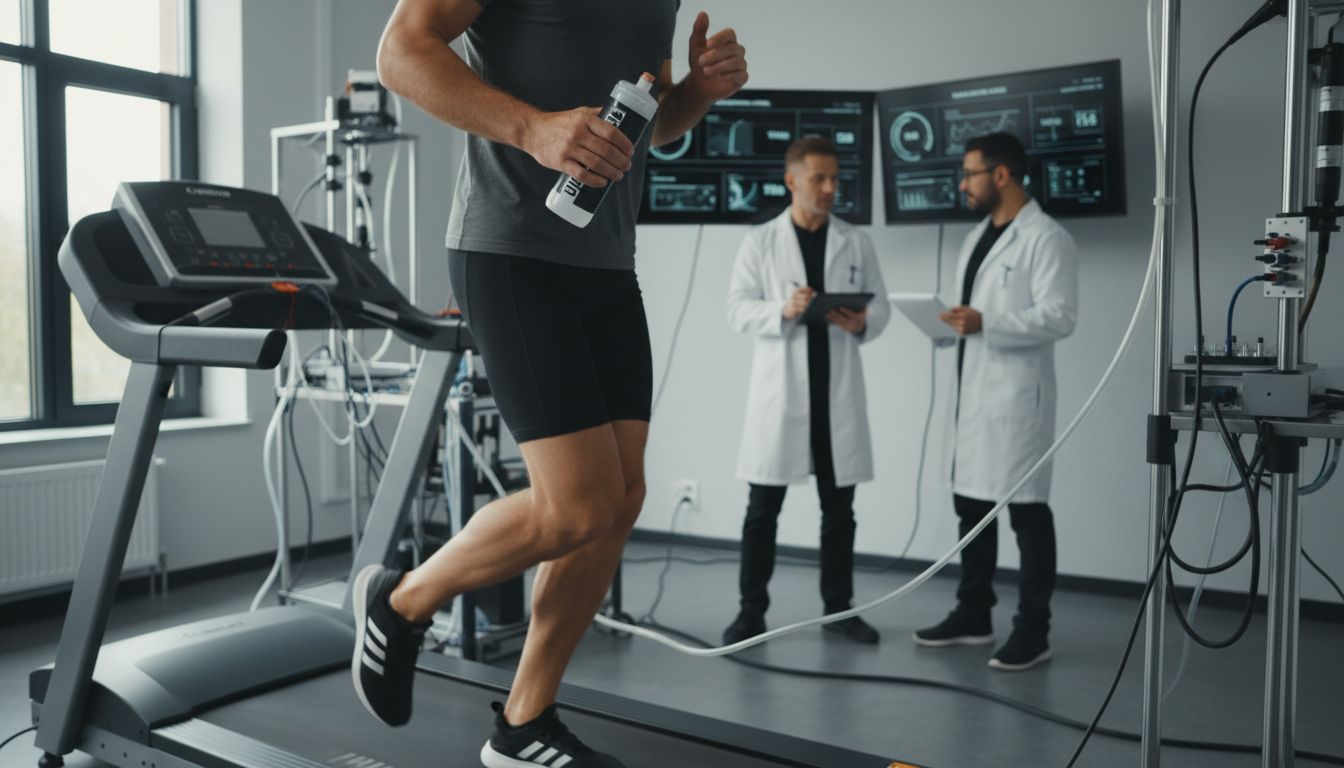 Stirling University explains that these essential minerals regulate critical bodily functions, including muscle contractions and fluid balance. Key performance support aspects include:
- Preventing rapid electrolyte depletion
- Maintaining consistent muscle function
- Supporting neural signalling efficiency
- Reducing risk of cramping and fatigue
For athletes engaged in high-intensity training, buffered electrolytes offer a sophisticated approach to managing physiological stress. Supplementation becomes particularly crucial in challenging environmental conditions, such as extreme heat or prolonged endurance events. Athletes looking to optimise their electrolyte strategy can find additional insights in our Master Electrolyte Use for Endurance in Sports guide, which provides comprehensive strategies for maintaining peak performance through intelligent electrolyte management.
Hydration, Absorption, and Muscle Recovery Benefits
Hydration dynamics are fundamental to athletic performance, with electrolyte balance playing a critical role in maintaining physiological efficiency. University of Nottingham emphasises that consuming fluids with added electrolytes significantly enhances fluid retention and supports muscle function, providing athletes with a strategic approach to optimal performance.
Research highlights the profound impact of hydration on athletic output. St Marys University reveals that even modest fluid losses of 2% can trigger substantial performance declines. The critical benefits of buffered electrolytes include:
- Preventing performance-limiting dehydration
- Accelerating cellular fluid absorption
- Maintaining consistent muscle contractility
- Reducing metabolic stress during intense training
Effective muscle recovery depends on more than just fluid replacement. By integrating buffered electrolytes strategically, athletes can create a comprehensive approach to post-workout restoration. For Hyrox athletes seeking advanced hydration strategies, our 7 Essential Types of Workout Drinks for Hyrox Athletes guide provides additional insights into optimising nutritional recovery protocols.
Comparing Buffered Electrolytes to Standard Formulas
The landscape of athletic hydration is evolving, with buffered electrolytes presenting a sophisticated alternative to traditional hydration strategies. Stirling University highlights that while standard electrolyte drinks contain essential minerals like sodium and potassium, buffered electrolytes offer a more nuanced approach to maintaining optimal physiological balance during intense physical activities.
St Marys University emphasises the critical differences between standard and buffered formulas. Key comparative aspects include:
- pH stability during exercise
- More precise mineral absorption
- Enhanced cellular hydration mechanism
- Reduced gastrointestinal stress
- Longer-lasting performance support
Standard electrolyte formulas often provide basic mineral replacement, whereas buffered electrolytes represent a sophisticated approach to athletic nutrition.

Here’s a comparison of key differences between standard and buffered electrolyte formulas:
| Feature | Standard Electrolyte Formula | Buffered Electrolyte Formula |
|---|---|---|
| pH Stability | Variable | Stable (pH 7.4) Resists shifts |
| Mineral Absorption | Basic absorption | Enhanced More precise |
| Hydration Mechanism | Standard cellular uptake | Advanced Supports cellular level |
| Gastrointestinal Tolerance | Occasional discomfort | Minimal GI stress |
| Performance Support Duration | Short-term | Longer-lasting |
| Target Users | General sports hydration | Intense/prolonged activity athletes |
Common Mistakes When Using Electrolyte Supplements
Athletes frequently encounter pitfalls when incorporating electrolyte supplements into their training regimen, often misunderstanding the nuanced requirements of proper hydration. St Marys University warns that excessive fluid intake can lead to hyponatremia, a potentially dangerous condition characterised by critically low sodium levels that can compromise athletic performance and health.
Stirling University highlights several common electrolyte supplementation mistakes athletes should avoid:
- Consuming electrolyte drinks without understanding individual sweat rates
- Neglecting water intake while relying solely on electrolyte solutions
- Failing to adjust intake based on exercise intensity and environmental conditions
- Overlooking the importance of mineral balance
- Inconsistent supplementation strategies
Understanding these potential errors is crucial for maintaining optimal performance and preventing potential health risks. Athletes seeking a comprehensive approach to nutrition can gain deeper insights by exploring our How to Prepare Pre-Workout Drinks Naturally guide, which offers strategies for creating balanced, effective hydration protocols tailored to individual athletic needs.
Elevate Your Hydration with Advanced Buffered Electrolytes
Athletes pushing their limits know the struggle of maintaining perfect hydration and muscle function during high intensity training. The detailed insights from the article reveal how buffered electrolytes maintain pH stability, support cellular hydration, and prevent cramping far better than standard formulas. If you are striving to avoid electrolyte imbalances and boost endurance naturally, addressing these critical hydration challenges is essential.
Discover how our specially formulated Electrolyte – Interval range harnesses natural ingredients designed for intense athletes needing sustained mineral balance and optimal absorption.

Take control of your performance today by choosing scientifically balanced electrolytes tailored to your sport. Explore our Bundle – Interval options for a complete hydration and energy solution. Visit https://useinterval.co.uk now to fuel every workout with confidence, because peak performance depends on smart nutrition strategy.
Frequently Asked Questions
What are buffered electrolytes and how do they benefit athletes?
Buffered electrolytes are specialized hydration solutions that maintain stable pH levels and regulate mineral balance during intense physical activities. They help prevent rapid pH shifts, support muscle function, and reduce the risk of performance-limiting imbalances.
How do buffered electrolytes compare to standard electrolyte solutions?
Buffered electrolytes offer enhanced pH stability, more precise mineral absorption, and advanced hydration mechanisms compared to traditional electrolyte solutions, which often provide basic mineral replacement without addressing deeper physiological needs.
When should athletes consume buffered electrolytes for optimal performance?
Athletes should consume buffered electrolytes particularly during prolonged exercise exceeding two hours or in challenging environmental conditions, such as extreme heat, to sustain hydration and peak performance levels.
What common mistakes should be avoided when using electrolyte supplements?
Common mistakes include consuming electrolyte drinks without understanding individual sweat rates, neglecting water intake, failing to adjust intake based on exercise intensity, overlooking mineral balance, and having inconsistent supplementation strategies.