


Muscle Pump: Enhancing HIIT Performance Naturally
You know the unique burn that kicks in as a Hyrox event ramps up—the feeling your muscles are being fuelled from the inside out. For British women committed to mastering every segment, understanding the facts behind the muscle pump empowers smarter choices in training and recovery. This guide untangles the science, dispels old myths, and highlights how natural strategies support muscle perfusion and sustained performance during high-intensity efforts.
Table of Contents
- Muscle Pump Defined And Common Myths
- Why Muscle Pump Matters In Hyrox Training
- How Muscle Pump Works In High-Intensity Sports
- Natural Strategies To Optimise Muscle Pump
- Risks, Recovery, And Common Pitfalls
Key Takeaways
| Point | Details |
|---|---|
| Understanding Muscle Pump | The muscle pump is a critical mechanism during high-intensity exercise, enhancing blood flow and nutrient delivery which improves performance and recovery. |
| Training Strategies | Focus on explosive, dynamic movements during training to optimise both mechanical and chemical mechanisms of the muscle pump. |
| Importance of Hydration and Nutrition | Consistent hydration and appropriate nutrition timing around workouts significantly enhance muscle pump effectiveness. |
| Prioritising Recovery | Effective recovery strategies, including adequate sleep and active recovery, are essential to prevent muscle damage and maintain performance levels. |
Muscle Pump Defined and Common Myths
You’ve felt it during a gruelling Hyrox event—that satisfying tightness in your muscles as blood floods into them. That sensation is your muscle pump at work, and it’s far more complex than most athletes realise.
The muscle pump describes how skeletal muscle contractions increase blood flow during intense exercise. When you contract muscles during high-intensity training, they rhythmically compress blood vessels, pushing blood back towards your heart whilst simultaneously improving perfusion to the working muscles themselves. This isn’t just a cosmetic effect—it directly impacts performance and recovery.
Your muscles act like a secondary circulatory system during exercise. Unlike resting periods, active movement creates pressure changes that help your cardiovascular system deliver oxygen and nutrients more efficiently to the tissues demanding them.
What the Research Actually Shows
The science here reveals something surprising: the muscle pump mechanism works differently than many athletes assume.
Traditional thinking suggests the pump primarily pushes blood back to your heart through sheer mechanical force. However, current research shows the reality is more nuanced. Studies indicate that vasodilation—the widening of blood vessels in response to chemical signals—plays a larger role than the mechanical pumping action alone.
Here’s what actually happens during HIIT:
To clarify how mechanical and chemical mechanisms influence the muscle pump, compare their roles and training implications below:
| Pump Mechanism | Primary Function | Key Chemical/Mechanical Feature | Training Strategy Impact |
|---|---|---|---|
| Mechanical | Drives venous blood return | Muscle contractions create pressure | Emphasise dynamic movements |
| Chemical (Vasodilation) | Expands blood vessels; boosts flow | Nitric oxide, adenosine released | Use explosive, high-intensity effort |
| Combined | Maximises blood and nutrient delivery | Synergistic effect of both mechanisms | Supports aerobic performance and recovery |
- Muscle contractions create pressure that supports blood movement
- Chemical signals from metabolism trigger blood vessel expansion
- Combined effects increase blood flow significantly beyond what either mechanism achieves independently
- The pump’s effectiveness varies depending on exercise intensity and muscle engagement patterns
The muscle pump works best during rhythmic, explosive movements—exactly what Hyrox demands from you.
Common Myths Worth Ignoring
Misunderstandings about the muscle pump can lead female athletes to chase ineffective training strategies. Let’s address the main culprits.
Myth 1: Bigger pump means better performance. False. A pronounced pump indicates good blood flow, but it doesn’t directly correlate with strength gains or endurance improvements. You can perform exceptionally without achieving a dramatic pump.
Myth 2: You need special supplements to create a pump. This one’s misleading. Whilst natural performance boosters can support muscle pump through improved blood flow, consistent high-intensity training creates pump effects regardless of supplementation. The fundamentals matter first.
Myth 3: The pump is purely mechanical. As research shows, it’s a combination of mechanical pressure and chemical vasodilation working together. Understanding this distinction helps you optimise both aspects through training and nutrition.
Myth 4: Pump sensations mean you’re building muscle. The temporary engorgement feels impressive, but actual muscle growth depends on progressive overload, recovery, and protein synthesis—not how pumped you feel mid-workout.
For Hyrox athletes, the pump serves a practical purpose: it enhances nutrient delivery during the event itself. That’s worth understanding and optimising for, but it’s not the entire story of athletic performance.
Pro tip: Focus on maintaining consistent blood flow through all phases of your Hyrox training rather than chasing the pump sensation itself. Better blood flow means better oxygen delivery, which translates to sustained performance across the 8-kilometre course.
Why Muscle Pump Matters in Hyrox Training
Hyrox isn’t like a standard running race or a typical gym session. You’re alternating between intense running segments and demanding functional exercise stations—wall balls, rope climbs, sled pushes, burpee broad jumps—all back-to-back across 8 kilometres.
Your body faces constantly shifting demands. One moment you’re sustaining aerobic effort during a 1-kilometre run. The next, you’re explosively contracting muscles at a resistance station. This is where the muscle pump becomes genuinely important.
The Performance Connection
During Hyrox training combining running with functional exercises, your muscles need efficient blood flow to both deliver oxygen and clear metabolic waste. The muscle pump directly supports this requirement.
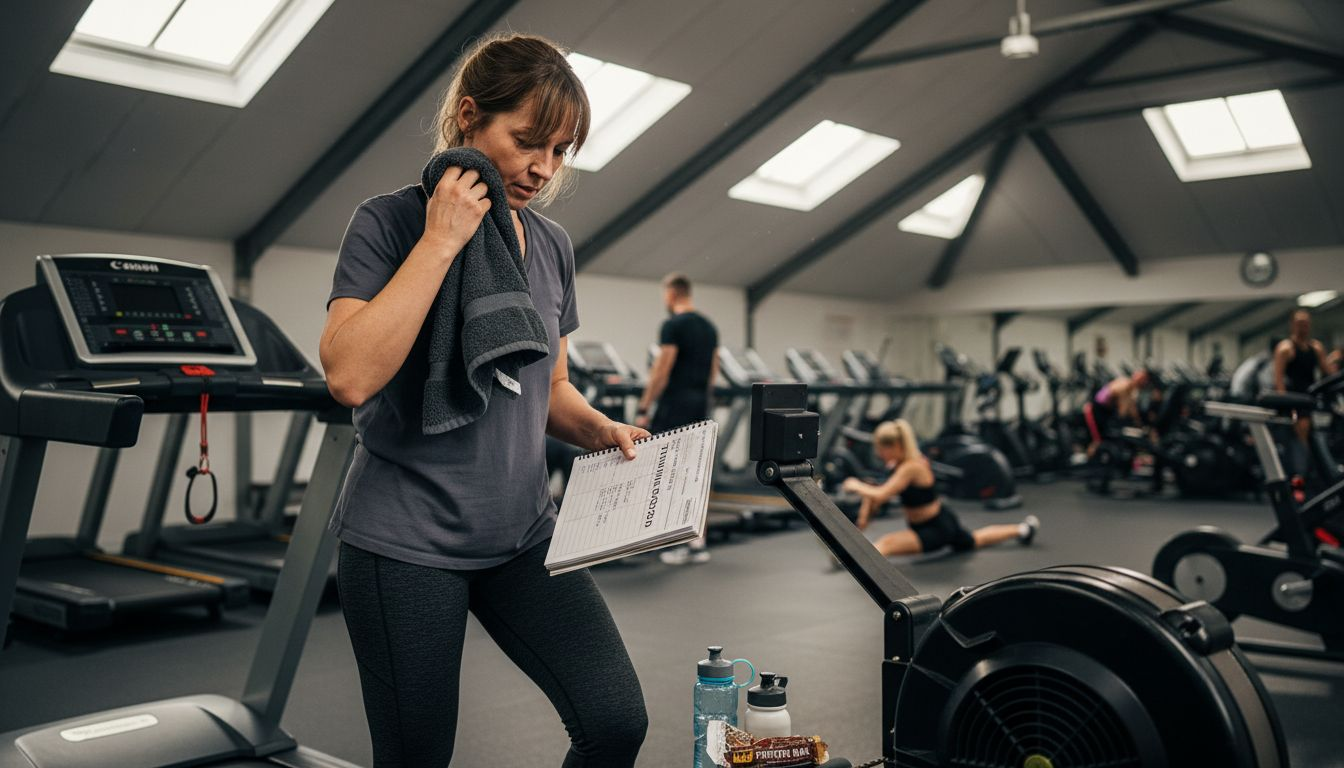
Here’s what happens: when you contract muscles at those exercise stations, your muscle pump activates to push blood back to your heart whilst improving oxygenation to the working tissues. This dual action prevents blood pooling in your legs and keeps oxygen flowing to where you need it most.
Without an effective pump, fatigue accumulates faster. You’ll feel that heavy-legged sensation creeping in earlier than necessary, cutting your performance short when you’ve got stations remaining.
Why Hyrox Demands Optimal Pump Function
Your cardiovascular system works harder during Hyrox than during steady-state cardio. The mixed demands create specific challenges:
- Rapid transitions between running and resistance work demand quick blood flow adjustments
- Higher lactate accumulation at resistance stations requires faster metabolite clearance
- Sustained intensity across multiple stations depends on consistent oxygen delivery throughout
- Delayed fatigue directly correlates with efficient venous return and muscle perfusion
An efficient muscle pump isn’t optional in Hyrox—it’s the difference between maintaining intensity through station ten and struggling to finish.
Athletes with optimised aerobic capacity naturally achieve better muscle pump function. This is why natural pre-workout strategies for Hyrox athletes focusing on aerobic development prove so effective—they enhance your body’s natural pumping mechanisms before you even add supplementation.
The Recovery Angle
The muscle pump doesn’t stop mattering once you cross the finish line. During recovery, efficient blood flow removes accumulated metabolic byproducts from your muscles, reducing soreness and accelerating adaptation.
Women aged 30–50 particularly benefit from understanding this. Your cardiovascular system becomes slightly less efficient with age, making optimised muscle pump function even more valuable for maintaining competitive performance.
Think of your muscle pump as your body’s natural recovery tool. The better it works during training, the faster you bounce back for the next session.
Pro tip: Train your aerobic base consistently using lower-intensity runs between hard Hyrox sessions; this improves your natural pump efficiency far more effectively than chasing dramatic muscle engorgement during workouts.
How Muscle Pump Works in High-Intensity Sports
Understanding the mechanics behind the muscle pump transforms how you approach training intensity. It’s not magic—it’s your body’s circulatory system responding to physical demands.
When you perform explosive movements during HIIT or Hyrox training, your muscles contract rhythmically. These contractions mechanically compress the veins running through them, creating pressure that pushes blood upward towards your heart. Simultaneously, muscle relaxation allows veins to refill, maintaining a continuous cycle of blood displacement.
The Mechanical Foundation
During high-intensity exercise, muscle contractions displace blood within muscles and elevate venous return to your heart. This mechanical action works best with rhythmic, dynamic movements rather than static holds.
Here’s why this matters for your sport:
- Dynamic contractions (running, plyometrics, burpees) activate the pump effectively
- Static holds (wall sits, planks) provide minimal pump benefit
- Whole-body exercises engage larger muscle groups, amplifying circulatory effects
- Rapid movement patterns create sustained pressure cycles maintaining blood flow
The pump essentially acts as your body’s auxiliary heart. Your actual heart drives blood outward; your muscles push it back inward through mechanical pressure.
The Chemical Partnership
But the mechanical pump doesn’t work alone. High-intensity contractions stimulate vasodilation through chemical signals like nitric oxide, adenosine, and ATP. Your blood vessels expand in response to these substances, reducing resistance and allowing more blood to flow through.
The pump and vasodilation work together as a coordinated system. The mechanical pressure from muscle contractions combines with chemical vasodilation to optimise blood flow beyond what either mechanism achieves independently.
This partnership is why intensity matters. Gentle exercise produces minimal vasodilatory signals. Intense effort triggers substantial chemical responses that amplify the pump’s effectiveness.
Why This Matters During High-Intensity Work
During explosive station work at Hyrox events or sprint intervals in HIIT, your muscles demand rapid oxygen delivery and metabolite clearance. The muscle pump, combined with vasodilation, meets these demands.
Without an active pump mechanism, blood would pool in your working muscles rather than circulate efficiently. This causes the heavy, sluggish sensation you feel when fatigue sets in—your muscles aren’t receiving fresh oxygen quickly enough.
The muscle pump works hardest when you need it most: during explosive, rhythmic movements where blood flow directly determines performance sustainability.
Women in your age group (30–50) benefit from understanding this because cardiovascular efficiency naturally declines slightly with age. Optimising your pump function through proper training becomes increasingly valuable for maintaining competitive performance levels.
Pro tip: Focus on explosive, rhythmic movements during your HIIT sessions rather than sustained static positions; this maximises your natural pump activation and blood flow efficiency without requiring supplementation.
Natural Strategies to Optimise Muscle Pump
Optimising your muscle pump doesn’t require expensive supplements or complex protocols. Your body already possesses powerful mechanisms—you just need to activate them strategically through training, nutrition, and hydration.
The fundamentals matter most. When you align your training intensity, fuel your workouts appropriately, and manage recovery effectively, your muscle pump becomes noticeably more pronounced and sustained throughout your Hyrox events or HIIT sessions.
Hydration: The Foundation
Adequate hydration directly supports blood volume and circulation. Your blood needs sufficient water content to flow efficiently through vessels and deliver oxygen to working muscles.
Here’s what to prioritise:
- Drink consistently throughout the day, not just around workouts
- Aim for pale yellow urine colour as a hydration indicator
- Consume 400–600 millilitres of fluid 2–3 hours before training
- Drink 150–250 millilitres every 15–20 minutes during intense sessions
- Rehydrate with electrolyte-containing fluids post-workout
Women in your age group sometimes underestimate hydration needs during high-intensity work. Better hydration directly improves pump quality and performance sustainability.
Nutrition Timing Around Training
Consuming adequate carbohydrates and proteins before and after workouts fuels muscle contractions and supports recovery. This timing matters significantly for muscle pump optimisation.
Pre-workout nutrition (30–90 minutes before):
- Easily digestible carbohydrates provide energy for explosive contractions
- Moderate protein supports muscle function and readiness
- Avoid heavy fats that slow digestion
Post-workout nutrition (within 60 minutes):
- Carbohydrates replenish depleted glycogen stores
- Protein supports muscle repair and adaptation
- Both combined enhance recovery and pump efficiency for your next session
Structured Training Intensity
Your training structure directly impacts pump effectiveness. Balanced intensity with proper recovery periods stimulates optimal muscle blood flow and vascular adaptations.
Structured interval training works better than steady-state effort because rhythmic intensity variations maximise pump activation. Your muscles contract explosively, then partially relax, creating optimal pressure cycles.
Consistent high-intensity training teaches your body to activate the pump more efficiently, which carries over into competition performance.
Incorporate active recovery between hard sessions. Light movement increases blood flow without excessive fatigue, priming your vascular system for subsequent intense efforts.
Warm-Up and Cool-Down Protocols
Proper warm-up prepares your cardiovascular system and muscles for pump activation. Spend 5–10 minutes gradually elevating heart rate before intense work.
Cool-down extends pump benefits post-workout. Light movement during cool-down maintains blood circulation, supporting nutrient delivery and metabolite clearance—both crucial for recovery and next-session readiness.
Pro tip: Implement a structured warm-up combining light aerobic work with dynamic movement patterns matching your workout demands; this primes your muscle pump and enhances performance by 5–10% without requiring any supplements.
Risks, Recovery, and Common Pitfalls
Chasing muscle pump without understanding recovery is like pushing the accelerator without checking your brakes. The intensity that creates an impressive pump can also damage muscle tissue if you’re not careful.
For female Hyrox athletes aged 30–50, this balance becomes increasingly important. Your body recovers slightly more slowly than younger athletes, making strategic recovery non-negotiable.
The Damage and Recovery Reality
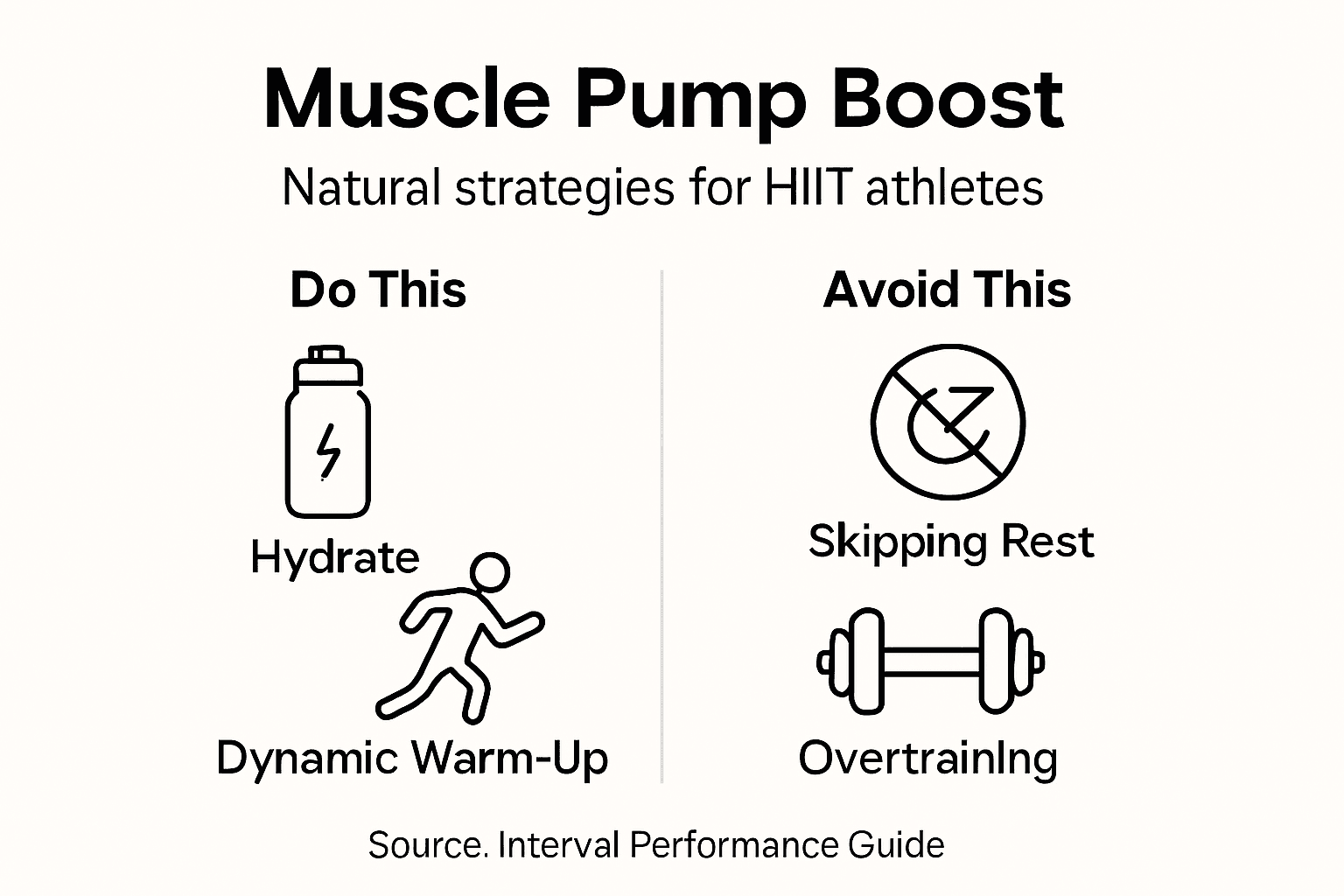
Muscle damage from high-intensity eccentric exercise results in soreness, reduced strength, and temporary function loss. This damage is normal—it’s part of adaptation. The problem occurs when you repeat high-intensity sessions without allowing adequate repair.
Here’s what happens:
- Initial muscle damage triggers inflammation
- Inflammation initiates the healing and strengthening process
- Excessive training prevents healing from completing
- Incomplete recovery leads to cumulative damage and chronic fatigue
Understanding this sequence prevents the mistake of training hard every single session thinking “more is better.”
Here’s an at-a-glance summary of optimal recovery strategies for female athletes aged 30–50:
| Strategy | Main Benefit | Common Mistake | Recommended Practice |
|---|---|---|---|
| Sleep | Muscle repair and adaptation | Inconsistent routines | Aim for 7–9 hours nightly |
| Active Recovery | Enhances blood flow | Overtraining | Gentle exercise between sessions |
| Nutrition Timing | Boosts protein synthesis | Delayed intake | Eat within 60 minutes post-workout |
| Progression Planning | Prevents injury and fatigue | Rapid increases | Change one variable per week |
Common Pitfalls in High-Intensity Training
HIIT increases injury risk due to intense movements, particularly with poor form or insufficient preparation. Your knees and ankles face particular stress during Hyrox-style training.
Watch for these common mistakes:
- Skipping warm-ups because you’re short on time
- Progressing too rapidly without building proper movement patterns
- Training hard every session without planned recovery days
- Ignoring pain signals and pushing through injury symptoms
- Inadequate sleep between sessions (your most powerful recovery tool)
Women often underestimate their injury risk, particularly in the 30–50 age range where connective tissue becomes slightly less elastic.
Recovery Strategies That Actually Work
Recovery isn’t passive—it requires active management across multiple areas.
Sleep prioritisation matters most. Aim for 7–9 hours nightly; this is when your body releases growth hormone and repairs muscle tissue. Inconsistent sleep undermines all other training efforts.
Active recovery between hard sessions enhances blood flow without creating additional muscle damage. Light walking, easy cycling, or gentle swimming on recovery days maintains momentum without overdoing it.
Nutrition timing supports recovery. Protein synthesis peaks within 60 minutes post-workout, making immediate post-exercise nutrition crucial for repair and adaptation.
Overtraining without recovery transforms positive adaptations into chronic fatigue and performance decline.
The Progression Trap
Don’t increase training volume and intensity simultaneously. Choose one variable to progress per week. This allows your body to adapt safely rather than accumulating damage faster than repair can occur.
Proper warm-up and gradual progression based on your fitness level prevent most training injuries. This isn’t exciting—it’s just smart.
Pro tip: Schedule at least one complete rest day weekly where you do zero structured training; this appears counterintuitive but produces superior long-term performance gains compared to constant high-intensity work.
Unlock Your Best Muscle Pump Naturally for HIIT Success
Struggling to maintain optimal blood flow and muscle oxygenation during high-intensity training can hold back your full potential. The article highlights how the muscle pump, a blend of mechanical contractions and vasodilation, is vital for delivering nutrients and delaying fatigue in demanding sessions like Hyrox or HIIT. Achieving that pump consistently requires more than just effort — it needs smart hydration, nutrition timing, and natural support.
Boost your performance the natural way with our specially formulated pre-workout and electrolyte blends at UseInterval. Designed to amplify your body’s own pump mechanisms through scientifically backed ingredients, our products help you sustain explosive energy and faster recovery without relying on artificial stimulants. Learn how to fuel your training smarter by visiting our landing page and explore natural performance boosters that align perfectly with your high-intensity sport goals. Take control of your pump and see immediate results in how you train and recover—start now for a stronger, more resilient you.
Frequently Asked Questions
What is a muscle pump and how does it affect HIIT performance?
The muscle pump refers to the increased blood flow to muscles during intense exercise, enhancing oxygen delivery and nutrient supply. This improved blood flow supports performance and recovery in HIIT workouts.
How can I naturally enhance my muscle pump during training?
Optimising hydration, timing your nutrition correctly, and incorporating structured high-intensity training with explosive movements can effectively enhance your muscle pump. Proper warm-up and cool-down protocols also support blood flow.
Are there specific exercises that promote a better muscle pump?
Yes, dynamic movements like running, plyometrics, and explosive resistance exercises are more effective for activating the muscle pump than static holds. Incorporating whole-body exercises engages larger muscle groups, enhancing circulatory effects.
Why is recovery important when training for muscle pump?
Recovery allows your muscles to repair and adapt after high-intensity sessions. Adequate rest, nutrition, and active recovery prevent injury and chronic fatigue, ensuring that your body can effectively activate the muscle pump during future workouts.