


Sports Nutrition: Enhancing High-Intensity Results
Finding the right nutrition plan as a Hyrox athlete can feel confusing when traditional advice rarely considers the unique needs of women. For British women aged 30 to 50, achieving top performance during high-intensity training requires more than a generic sports supplement or a scaled-back male diet. Personalised nutrition strategies that take into account your hormonal cycles, training phases, and natural recovery rhythms put you in control of how you feel, perform, and recover—helping you reach the start line stronger every time.
Table of Contents
- Defining Sports Nutrition For Women Athletes
- Key Nutrients In High-Intensity Training
- Macronutrient Timing And Performance
- Natural Supplements: Pre-Workout And Electrolytes
- Risks, Common Mistakes, And Safe Choices
Key Takeaways
| Point | Details |
|---|---|
| Tailored Nutrition Is Essential | Women athletes require a unique approach to sports nutrition, particularly considering hormonal cycles and energy availability during intensive training. |
| Nutrient Timing Matters | Consuming carbohydrates and proteins at strategic times can significantly enhance recovery and performance during high-intensity events. |
| Avoid Common Supplement Pitfalls | Prioritise whole foods over supplements and be cautious of untested products, focusing instead on natural ingredients with proven benefits. |
| Monitor Individual Responses | Keep a detailed log of training, nutrition, and well-being to identify the most effective dietary strategies for your personal performance. |
Defining Sports Nutrition for Women Athletes
Sports nutrition for women athletes is not simply a scaled-down version of male athletic nutrition. Your body has distinct physiological requirements that demand a tailored approach, especially when you’re training at the intensity level Hyrox demands. The reason this matters so much is that carbohydrate and protein recommendations vary significantly based on hormonal cycles, body composition changes, and how your body responds to fuel throughout your menstrual cycle. Most traditional sports nutrition guidance was developed using male athletes as the primary research population, leaving a significant gap in what we know about optimising performance for women like you.
At its core, sports nutrition for women athletes means strategically timing and selecting foods and supplements to fuel high-intensity training, support recovery, and maintain energy availability throughout your body. This includes managing hydration effectively, ensuring adequate micronutrient intake, and recognising how your nutritional needs shift during different training phases. For a 35-year-old woman training hard for Hyrox events, this might mean increasing carbohydrate intake on heavy training days whilst adjusting protein timing to support muscle adaptation. The underlying principle is simple: what you consume directly impacts your power output, stamina, and how quickly your body bounces back from those gruelling obstacle course training sessions.
What sets women’s sports nutrition apart is the emphasis on preventing low energy availability, which can creep up when training intensifies without matching your calorie intake. Dietary requirements for female athletes go beyond simple calorie counting to include attention to bone health, hormonal balance, gut health, and managing micronutrient needs like iron and calcium. Your training demands aren’t static, which means your nutrition strategy cannot be either. As you progress through different training blocks and as your menstrual cycle shifts, your body’s actual nutritional needs change. This is where personalised nutrition becomes the game changer.
Pro tip: Track how you feel during training (energy levels, power output, recovery) alongside what you’ve eaten in the previous 24 hours for at least two weeks to identify your personal fuelling patterns and timing that works best for your body.
Key Nutrients in High-Intensity Training
When you’re pushing through a Hyrox event or grinding through high-intensity conditioning sessions, your body is essentially running a metabolic emergency operation. The nutrients you consume don’t just fuel that immediate effort, they determine whether you can maintain power output in the final obstacle, recover properly between sessions, and actually adapt to the training stimulus. This is where understanding the specific nutrients that matter becomes the difference between plateauing and progressing.
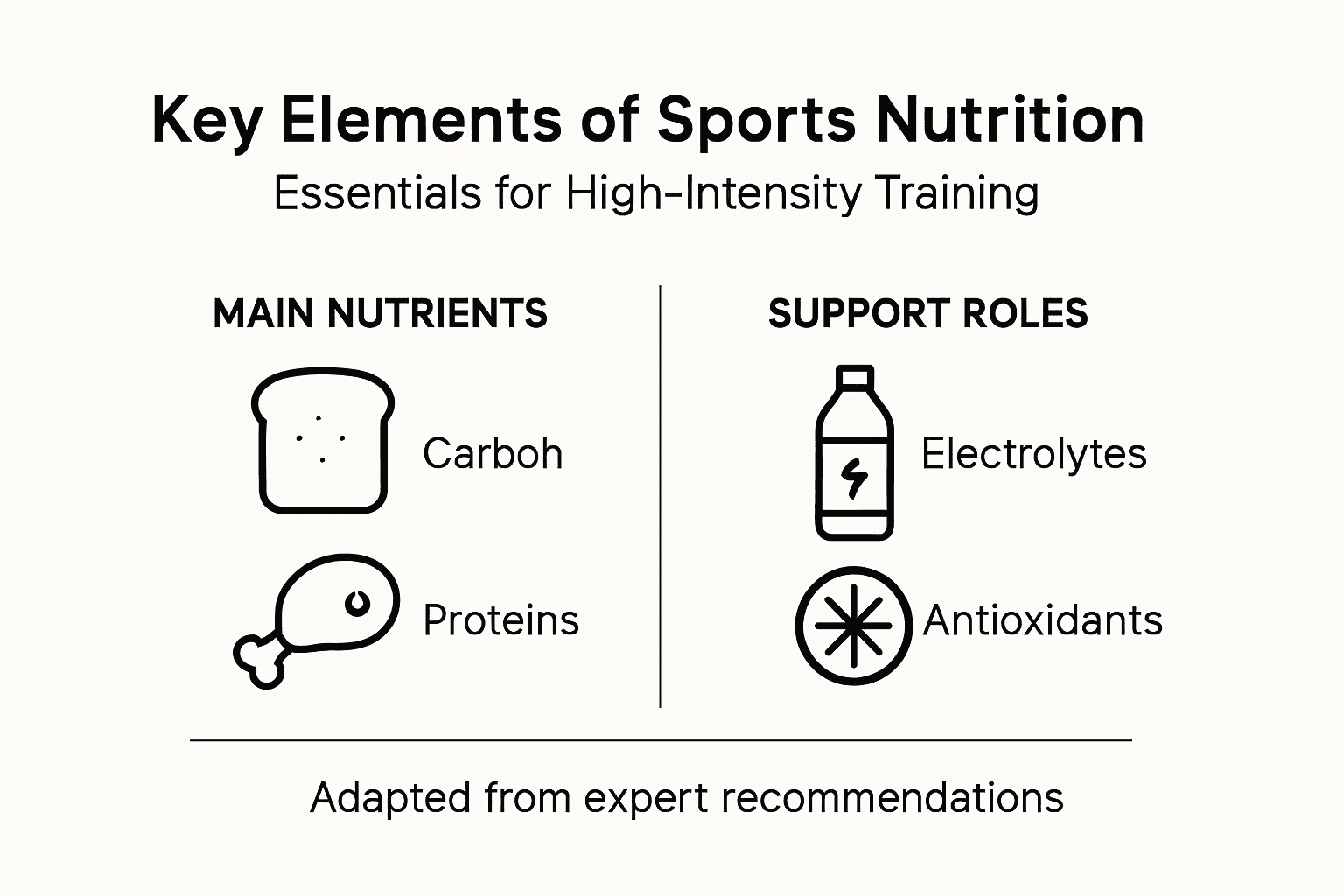
Carbohydrates and proteins are the foundation of your high-intensity nutrition strategy. Carbohydrates provide the rapid energy your muscles crave during intense efforts, whilst proteins support the muscle damage repair process that happens after you finish training. Nutrient timing and supplementation can meaningfully optimise your athletic performance and resilience, particularly when training blocks intensify. For women doing Hyrox training, this typically means consuming adequate carbohydrates before and during longer sessions to maintain glycogen stores, then pairing those with protein within a couple of hours after finishing to maximise muscle adaptation. Beyond these two macronutrients, electrolytes become critical, especially during the warmer months or when you’re sweating heavily during obstacle course training.

Often overlooked is the role antioxidants play in supporting your body’s recovery from intense training. Antioxidants mitigate exercise-induced oxidative stress and enhance metabolic adaptations essential for high-intensity performance. Your body generates reactive oxygen species during intense effort, and whilst some oxidative stress triggers beneficial adaptations, excessive unchecked stress actually impairs recovery. This is where natural antioxidant sources such as berries, leafy greens, and targeted supplements can help tip the balance in your favour. Equally important are micronutrients like iron, magnesium, and B vitamins, which support energy production and oxygen transport. Iron deficiency is particularly common in women athletes and can absolutely devastate your aerobic capacity. Magnesium supports muscle function and helps regulate your stress response after taxing training sessions.
The real skill lies in matching nutrient intake to your training phase and menstrual cycle. During heavy training blocks, your carbohydrate and calorie needs increase substantially. During lighter recovery weeks, you can dial back slightly but still prioritise protein to maintain muscle. This personalised approach prevents the energy deficit trap that can creep up and tank your performance.
Pro tip: Prepare a small carbohydrate and electrolyte source for sessions lasting over 90 minutes (energy drink, sports gels, or dried fruit) and consume a protein-containing meal or drink within two hours of finishing to optimise your recovery adaptation.
Here’s how key nutrients support women athletes during high-intensity training:
| Nutrient | Main Function | Impact on Performance | Common Sources |
|---|---|---|---|
| Carbohydrates | Rapid energy for muscles | Sustains power, delays fatigue | Oats, bananas, rice |
| Proteins | Muscle repair and adaptation | Facilitates recovery and growth | Chicken, eggs, lentils |
| Electrolytes | Hydration and nerve signalling | Prevents cramps, aids endurance | Sports drinks, coconut water |
| Antioxidants | Reduces exercise-induced stress | Improves recovery, adaptation | Berries, spinach, green tea |
| Iron | Oxygen transport in bloodstream | Supports aerobic capacity | Red meat, beans, leafy greens |
| Magnesium | Muscle and stress regulation | Reduces fatigue after training | Nuts, seeds, whole grains |
| B Vitamins | Energy production | Maintains stamina and focus | Dairy, legumes, fish |
Macronutrient Timing and Performance
Timing matters far more than most athletes realise. You could be eating all the right nutrients, but if you consume them at the wrong moments relative to your training, you’re leaving performance on the table. The difference between fuelling strategically and fuelling haphazardly can mean the difference between maintaining pace on lap three of a Hyrox course and hitting a wall. Nutrient timing and metabolic regulation directly impact your energy utilisation and overall performance, with both absolute timing (clock time) and relative timing (relation to exercise) playing crucial roles in enhancing training adaptations.
The pre-training window is where many women athletes stumble. Consuming carbohydrates 60 to 90 minutes before intense exercise tops up your muscle glycogen stores without leaving you feeling sluggish. A banana with a small amount of nut butter, a slice of toast with honey, or even a sports drink works well here. Protein at this stage is less critical because your muscles have sufficient amino acids circulating from previous meals. During training lasting longer than 60 minutes, you need carbohydrates and electrolytes to maintain blood glucose and replace sodium lost through sweat. This is where sports drinks or energy gels keep you performing at your peak rather than fading. The post-training window is where recovery truly begins. Consuming a combination of carbohydrates and protein within two hours of finishing training accelerates muscle repair, replenishes glycogen, and triggers the adaptations that make you stronger and more resilient.
What’s often missed is how macronutrient distribution across the day significantly influences performance and adaptation. You cannot simply dump all your carbohydrates into one meal and expect optimal results. Instead, spreading intake across multiple meals ensures steady energy availability, better hormone regulation, and improved training quality. For a woman doing Hyrox training, this might mean eating a carbohydrate-rich breakfast, a balanced mid-morning snack, a protein-forward lunch, an afternoon snack with fruit and nuts, and then timing your pre-training meal strategically before your session. Your menstrual cycle also shifts your macronutrient needs. During the follicular phase (first half of your cycle), your carbohydrate tolerance is generally higher, so you can load slightly more. During the luteal phase, some athletes perform better with slightly elevated protein and fat ratios. This is not intuitive, which is why many women feel inconsistent in their training without understanding why.
Pro tip: Log your training performance (power, pace, energy levels) alongside your eating patterns for two weeks to identify your personal optimal macronutrient timing window, then build your pre-training meal schedule around that window.
Natural Supplements: Pre-Workout and Electrolytes
Not all supplements deserve shelf space in your kitchen. The supplement industry thrives on hype, but what actually moves the needle for Hyrox athletes comes down to a handful of proven ingredients. When you’re choosing natural pre-workout supplements, you want compounds that enhance power output, delay fatigue, and support sustained effort through obstacle course demands. Caffeine remains one of the most effective ingredients, with solid evidence showing it improves endurance and reduces the perception of effort during intense training. For women, typical doses of 100 to 200 milligrams consumed 30 to 60 minutes before training can meaningfully sharpen your mental focus and physical output. The catch is individual tolerance varies widely. Some athletes thrive on caffeine while others experience jitters or sleep disruption. Start low, observe how your body responds, then adjust accordingly.
Beyond caffeine, the pre-workout ingredient list gets murky fast. Many marketed compounds lack convincing evidence or work only under very specific conditions. This is where simplicity wins. A natural pre-workout containing caffeine, a small amount of carbohydrates for quick energy, and amino acids covers the bases without the marketing noise. You can achieve this through whole foods (strong coffee with a piece of fruit) or through natural pre-workout formulations designed specifically for high-intensity sport. The real game-changer for women doing Hyrox training is electrolyte management.
Electrolytes are minerals that regulate hydration, muscle contraction, and nerve signalling. During high-intensity training, especially on warm days, you lose significant sodium through sweat. Electrolyte balance directly supports nerve conduction and muscle function during exercise and is critical for maintaining performance. A sports drink containing sodium, potassium, and magnesium helps you retain fluid, maintain blood volume, and prevent the cramping that can derail a training session. The common mistake is waiting until you’re thirsty to drink. Thirst is a lagging indicator. For sessions lasting over 60 minutes, sip a natural electrolyte drink continuously rather than gulping large amounts at once. This maintains hydration and prevents the bloated feeling that comes from drinking too fast.
Pro tip: Mix your own natural electrolyte drink using water, a pinch of salt, a splash of fruit juice for carbohydrates, and a squeeze of lemon, then test it during training to find the volume and timing that keeps you performing without stomach discomfort.
Risks, Common Mistakes, and Safe Choices
The supplement market thrives because most athletes don’t realise how much misinformation shapes their choices. Widespread misinformation about nutritional supplements leads many women to invest in products that don’t deliver results or worse, create unforeseen health complications. You might buy a pre-workout because an influencer raved about it, only to discover it contains undisclosed ingredients or stimulants that disrupt your sleep and leave you feeling worse than before. The real risk isn’t always dramatic. Often it’s simply wasting money on supplements that don’t align with your actual training goals, or worse, choosing products based on marketing rather than evidence. For women in their 30s and 40s managing cortisol, sleep, and hormonal balance, some high-stimulant pre-workouts can genuinely backfire. Additionally, contaminated supplements present genuine health risks. Some products contain unlisted substances banned in sport or heavy metals that accumulate over time.
Common mistakes fall into predictable patterns. The first is treating supplements as a substitute for solid nutrition. No amount of fancy powder replaces consistent whole food intake, adequate water, and strategic meal timing. The second mistake is adding too many supplements at once, which makes it impossible to identify what actually works for your body and what’s just adding cost. Women often load up on fat burners, pre-workouts, post-workout shakes, and amino acids simultaneously, then wonder why they feel off. The third mistake, and I’ve learned this the hard way, is not accounting for your menstrual cycle when using supplements. Some women find stimulant-heavy pre-workouts dramatically worsen PMS symptoms or exacerbate anxiety during the luteal phase. This requires honest experimentation and adjustment rather than rigid adherence to the same supplement routine year-round. Poor nutritional adherence due to psychosocial and environmental factors means even well-chosen supplements fail if you can’t consistently integrate them into your actual life.
Safe choices start with three principles. First, prioritise natural ingredients with established safety records rather than trendy compounds. Caffeine, beetroot juice, and creatine have decades of research behind them. Second, choose products from reputable manufacturers who third-party test their supplements for contaminants and accurate labelling. Third, introduce new supplements one at a time and observe how you feel over at least two weeks before adding anything else. Your body will tell you whether something works if you listen closely enough. Start with basics: a natural pre-workout drink built around caffeine and carbohydrates, a quality electrolyte mix, and prioritise whole food recovery. As your training evolves and you understand your body better, you can thoughtfully add other supports.
Below is a comparison of supplement safety principles for women athletes:
| Principle | Benefit | Why It Matters |
|---|---|---|
| Use natural ingredients | Minimises health risks | Fewer side effects and contaminants |
| Choose certified brands | Ensures accurate labelling | Reduces risk of banned substances |
| Add gradually | Identifies personal response | Prevents adverse reactions |
| Focus on whole foods | Provides balanced nutrition | Supplements are not full substitutes |
| Keep supplement log | Tracks effects and tolerances | Supports informed decision-making |
Pro tip: Keep a simple supplement log recording what you consumed, your training quality, sleep quality, and how you felt throughout the day for at least six weeks before deciding whether to keep or discontinue any supplement.
Fuel Your High-Intensity Training with Natural Nutrition Solutions
Women athletes face unique challenges when it comes to optimising sports nutrition for high-intensity events like Hyrox. Managing energy availability, matching nutrient timing to training phases, and supporting recovery with the right balance of carbohydrates, proteins, and electrolytes are essential to avoid fatigue and boost performance. You deserve supplements designed with your specific needs in mind that provide natural, effective support without unnecessary stimulants or fillers.
Discover how our range of Pre-workout and Electrolyte products can help you maintain peak power, delay fatigue, and stay hydrated throughout your toughest sessions. All our formulations focus on natural ingredients proven to enhance endurance and recovery so you can push harder and recover faster.
Take control of your training nutrition today by exploring our full collection at Use Interval. Start tailoring your fuelling strategy with clean, science-backed supplements and experience how targeted nutrition transforms your high-intensity performance. Your next breakthrough is just a click away.
Frequently Asked Questions
What is the role of carbohydrates in a high-intensity training nutrition plan?
Carbohydrates provide rapid energy for muscles during intense efforts, helping to sustain power and delay fatigue in high-intensity training such as Hyrox events.
How can I optimise my protein intake for muscle recovery after training?
To maximise muscle adaptation, consume a protein-rich meal or drink within two hours after finishing your training session. This aids in muscle repair and replenishes glycogen stores.
Why are electrolytes important during high-intensity training?
Electrolytes regulate hydration, muscle contraction, and nerve signalling. Maintaining electrolyte balance is crucial for preventing cramps and sustaining performance, especially during prolonged exercise.
How does my menstrual cycle affect my nutritional needs during training?
Your nutritional needs shift throughout your menstrual cycle. During the follicular phase, you may tolerate more carbohydrates, whereas the luteal phase may benefit from slightly higher protein and fat ratios to support performance and recovery.