


Role of Carbohydrates in Pre‑Workout: Boosting UK High‑Intensity Performance
Most british Hyrox athletes underestimate just how much pre-workout carbohydrates can improve performance. For high-intensity exercise, these nutrients are not just fuel but a major difference-maker for muscle power and endurance. Over 60 percent of competitive athletes report better training results when they focus on carb timing and type before workouts. This guide highlights how smart carbohydrate choices can keep you energized, steady, and fully prepared for every demanding session.
Table of Contents
- What Carbohydrates Do Pre‑Workout
- Types Of Pre‑Workout Carbohydrates
- How Carbohydrates Support Performance
- Timing Carbohydrate Intake Strategically
- Common Pitfalls And How To Avoid Them
Key Takeaways
| Point | Details |
|---|---|
| Carbohydrates are Essential for Performance | Carbohydrates serve as the primary energy source during high-intensity training, crucial for maintaining performance in athletes like those competing in Hyrox. |
| Strategic Timing Enhances Benefits | Consuming carbohydrates approximately 60-90 minutes before training optimises glycogen stores and stabilises blood sugar levels. |
| Choose the Right Carbohydrate Type | Simple carbohydrates offer quick energy, while complex carbohydrates provide sustained fuel; athletes should select based on individual needs. |
| Avoid Overconsumption | Excessive carbohydrate intake can lead to digestive issues and energy crashes; moderation and personalisation are key to effective nutrition strategies. |
What Carbohydrates Do Pre‑Workout
Carbohydrates play a crucial role in fuelling high-intensity performance, particularly for Hyrox athletes preparing for challenging workouts. These macronutrients serve as the primary energy source that powers muscular contractions and sustains intense physical exertion. When consumed strategically before exercise, carbohydrates help replenish glycogen stores and provide immediate energy availability.
Prior to intense training, carbohydrates trigger a critical metabolic process known as glycogen synthesis. This mechanism allows muscles to store additional glucose as readily accessible energy, which becomes essential during high-demand physical activities like Hyrox competitions. Pre-workout nutrition timing can dramatically impact performance, with carbohydrate intake representing a key strategic element in athletic preparation.
The physiological benefits of carbohydrate consumption extend beyond simple energy provision. They activate insulin release, which helps shuttle nutrients into muscle cells and supports faster recovery. Complex carbohydrates offer sustained energy release, preventing sudden blood sugar crashes during prolonged high-intensity exercises. Quick-absorbing carbohydrates like bananas, rice cakes, or specialised sports nutrition products can provide rapid energy without causing significant digestive disruption.
Athletes should aim to consume approximately 1-2 grams of carbohydrates per kilogram of body weight roughly 60-90 minutes before training. This approach ensures optimal energy availability while preventing potential gastrointestinal discomfort. By understanding and implementing strategic carbohydrate intake, Hyrox athletes can significantly enhance their performance potential and maintain consistent energy levels throughout demanding workout sessions.
Types Of Pre‑Workout Carbohydrates
Hyrox athletes have several strategic carbohydrate options to fuel their high-intensity training, each offering unique metabolic advantages. Simple carbohydrates represent the fastest-absorbing energy source, providing rapid glucose delivery to muscles. These include fruits like bananas, honey, and sports drinks that offer quick energy release during demanding workouts.

Complex carbohydrates provide sustained energy and represent a more nuanced approach to pre-workout nutrition. Whole grains, oatmeal, sweet potatoes, and quinoa deliver a steady glucose release, preventing sudden energy crashes. Plant-based pre-workout nutrition strategies can significantly enhance athletic performance, particularly for athletes seeking balanced energy profiles.
Nutritional considerations extend beyond basic carbohydrate categorisation. Athletes must distinguish between fast-absorbing and slow-release carbohydrates, understanding how each impacts metabolic processes. Quick-digesting carbohydrates like white rice or sports gels provide immediate energy, while slower-metabolising options like brown rice and rolled oats offer prolonged fuel sources.
Smart carbohydrate selection involves understanding individual metabolic responses. Some athletes might benefit from glycemic index variations, choosing carbohydrates that align with their specific training intensity and personal digestive tolerances. Experimenting with different carbohydrate sources during training helps identify the most effective pre-workout nutrition strategy for optimal Hyrox performance.
How Carbohydrates Support Performance
Carbohydrates are fundamental to optimising athletic performance, particularly for Hyrox athletes engaged in high-intensity training. Carbohydrate supplementation plays a critical role in maintaining endurance performance, providing athletes with essential energy substrates during prolonged and intense physical activities.
The metabolic mechanisms behind carbohydrate performance support are complex and multifaceted. Glycogen replenishment represents a primary function, where muscles store glucose as readily available energy. During high-intensity exercises, these glycogen stores become rapidly depleted, making strategic carbohydrate intake crucial for sustained performance. Systematic research confirms that adequate daily carbohydrate intake before, during, and after exercise can significantly optimise endurance capabilities.
Physiologically, carbohydrates trigger multiple performance-enhancing processes. They stimulate insulin release, which facilitates nutrient transportation into muscle cells, supports faster recovery, and helps maintain stable blood glucose levels. This hormonal response prevents energy crashes and supports consistent power output during demanding Hyrox competitions.
For Hyrox athletes, carbohydrate consumption strategies should be personalised and precise. Consuming 30-60 grams of carbohydrates per hour during prolonged exercise can help maintain performance, with the exact quantity depending on individual metabolic rates, workout intensity, and personal tolerance. Experimenting with different carbohydrate sources and timing will help athletes develop a nutrition approach that maximises their potential and supports peak athletic performance.
Timing Carbohydrate Intake Strategically
For Hyrox athletes, precise carbohydrate timing is a critical component of performance optimisation. Optimal carbohydrate consumption requires strategic planning 1-3 hours before workout sessions, ensuring glycogen stores are fully replenished and blood glucose levels remain stable during intense training.
The pre-workout window represents a crucial metabolic opportunity. Glycogen loading involves consuming easily digestible carbohydrates that can quickly convert into muscle energy. Different carbohydrate types metabolise at varying rates, with simple carbohydrates providing rapid energy and complex carbohydrates offering sustained fuel release. Consistent carbohydrate intake strategies help athletes maintain stable blood glucose levels during high-intensity exercise.
Individual metabolic responses vary significantly, making personalisation key. Hyrox athletes should experiment with carbohydrate timing, quantity, and composition to discover their optimal nutritional strategy. Factors like body weight, workout intensity, and personal digestive efficiency influence the ideal pre-workout carbohydrate approach.
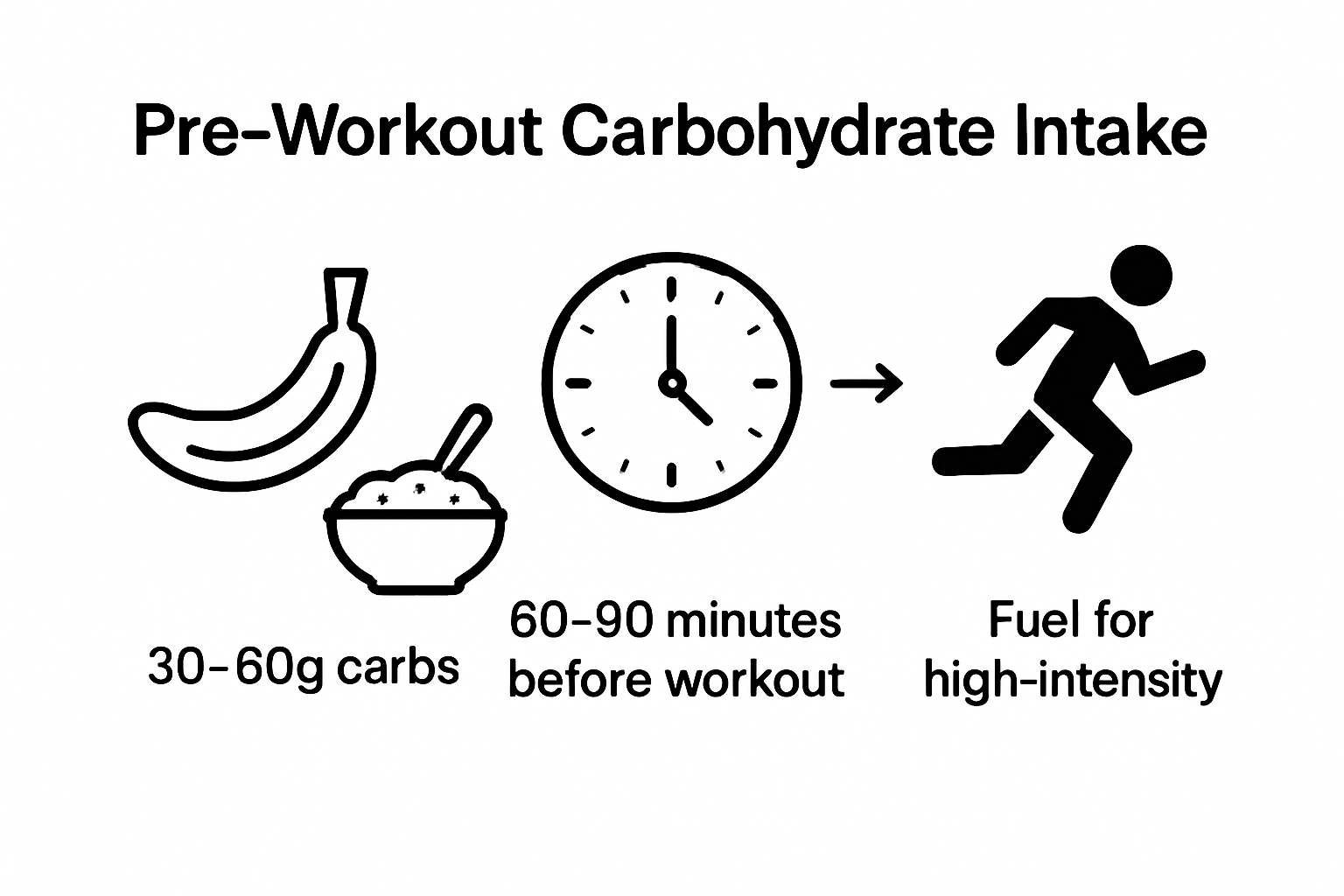
Practical timing recommendations suggest consuming 30-60 grams of carbohydrates approximately 60-90 minutes before training. Easily digestible options like bananas, rice cakes, or sports nutrition products can provide quick energy without causing gastrointestinal discomfort. Athletes must listen to their bodies, adjusting intake based on individual performance and comfort levels to maximise their Hyrox competition potential.
Common Pitfalls And How To Avoid Them
Hyrox athletes often encounter several critical mistakes when incorporating carbohydrates into their pre-workout nutrition strategy. Systematic reviews reveal significant variability in carbohydrate intake research, highlighting the complexity of nutritional performance enhancement, which can lead athletes to misunderstand optimal nutritional approaches.
One prominent pitfall involves overconsumption of carbohydrates before training. Consuming excessive amounts can cause digestive discomfort, bloating, and unexpected energy crashes. Athletes must carefully balance intake, recognizing that psychological expectations can significantly influence performance outcomes, potentially creating a placebo effect that masks true nutritional requirements.
Metabolic individualism means there is no universal carbohydrate consumption strategy. Common mistakes include neglecting personal metabolic responses, failing to experiment with different carbohydrate sources, and rigidly adhering to generic nutritional guidelines. Hyrox athletes should develop a personalised approach through careful tracking, noting energy levels, digestive comfort, and performance metrics during different nutritional interventions.
Practical strategies to avoid nutritional pitfalls involve gradual experimentation, maintaining a detailed nutrition log, and staying attuned to individual body responses. Recommended practices include starting with moderate carbohydrate quantities, choosing easily digestible sources, timing intake appropriately, and remaining flexible in approach. Understanding that nutrition is a dynamic, personal journey helps athletes develop a nuanced, effective pre-workout carbohydrate strategy.
Unlock Your Peak Energy with Targeted Pre‑Workout Nutrition
Understanding the vital role carbohydrates play in fuelling high-intensity performance reveals a common challenge faced by UK athletes: maintaining consistent energy without digestive discomfort before demanding workouts. Whether it is optimising glycogen replenishment or mastering strategic timing, Hyrox competitors and high-intensity sports enthusiasts strive to balance rapid energy delivery and sustained fuel release to enhance endurance and power.
At UseInterval, we offer natural, precision-formulated supplements designed to complement your carbohydrate strategy for maximum impact. Explore our Pre-workout – Interval range that supports rapid energy availability and steady glucose release to help you avoid common pitfalls like energy crashes or bloating. Combined with electrolyte products from our Electrolyte – Interval collection, you can maintain hydration and nutrient transport for superior performance and recovery.
Elevate your training sessions now by tailoring your pre-workout nutrition with proven supplements specifically created for high-intensity athletes. Visit https://useinterval.co.uk to start building your personalised nutrition plan and experience the difference precise carbohydrate support makes.
Frequently Asked Questions
What role do carbohydrates play before a workout?
Carbohydrates serve as the primary energy source for high-intensity performance, helping to replenish glycogen stores and provide immediate energy during intense physical activity.
How much carbohydrates should I consume before intense training?
Hyrox athletes should aim to consume approximately 1-2 grams of carbohydrates per kilogram of body weight about 60-90 minutes before training for optimal energy availability.
What are the differences between simple and complex carbohydrates for pre-workout?
Simple carbohydrates provide rapid energy, while complex carbohydrates deliver a sustained release of energy. Simple options include fruits and sports drinks, whereas complex options include whole grains and sweet potatoes.
How can I avoid digestive discomfort from carbohydrate consumption before workouts?
To prevent digestive issues, start with moderate carbohydrate quantities, choose easily digestible sources, and time your intake at least 60-90 minutes before training.