


Why Protein Matters for Female Hyrox Athletes
Every Hyrox session leaves you feeling powerful but also hungry for quicker recovery and stronger results. For active women balancing full-on training with daily life demands, knowing how much and when to eat protein makes all the difference. Scientific studies from the University of Bath and University of Birmingham confirm that post-exercise protein intake stimulates muscle adaptation and recovery, making high-quality protein a true ally for performance-driven athletes. Expect practical strategies for smarter protein timing, types, and meal planning tailored to female Hyrox competitors.
Table of Contents
- Protein’s Role in Intense Sports Training
- Different Protein Types and Their Benefits
- How Protein Supports Recovery and Adaptation
- Protein Requirements for Female Athletes
- Risks of Insufficient or Excess Intake
- Choosing Effective, Natural Protein Sources
Key Takeaways
| Point | Details |
|---|---|
| Importance of Protein | Protein is essential for muscle repair, energy production, and immune support, particularly for female Hyrox athletes during intense training. |
| Type of Protein Matters | Different protein sources like whey, casein, and plant-based options offer unique benefits; selecting the right type enhances recovery and performance. |
| Optimal Timing | Consuming 20-30 grams of high-quality protein within 30 minutes post-training maximises muscle recovery and growth. |
| Avoiding Imbalance | Both insufficient and excessive protein intake can hinder performance; aiming for 1.6 g/kg bodyweight daily is advised for optimal results. |
Protein’s Role in Intense Sports Training
For female Hyrox athletes, protein represents far more than a basic nutritional component - it’s a critical performance enhancer and recovery accelerator. Understanding protein’s nuanced role in intense sports training can transform your athletic approach and results.
Research from the University of Bath reveals that protein supplementation influences muscle adaptation during endurance activities. The study highlights how protein intake supports crucial physiological processes that directly impact an athlete’s performance and recovery.
Protein plays multiple critical roles in high-intensity training for Hyrox athletes:
- Muscle Repair: Rebuilds microscopic muscle damage from intense workouts
- Energy Production: Provides backup energy when glycogen stores deplete
- Hormone Regulation: Supports metabolic processes and muscle protein synthesis
- Immune System Support: Helps maintain athletic resilience during heavy training periods
The University of Birmingham’s research further emphasises that endurance exercise significantly increases protein requirements. Specifically, athletes need additional protein to:
- Replace oxidized amino acids
- Support ongoing muscle remodelling
- Enhance post-exercise recovery mechanisms
Protein isn’t just a supplement - it’s a strategic performance tool for dedicated athletes.
Timing of protein intake matters substantially. Consuming protein during or immediately after exercise can enhance muscle protein synthesis and accelerate recovery processes. This window of opportunity is crucial for female Hyrox athletes looking to maximise training adaptations.
Pro tip: Aim to consume 20-30 grams of high-quality protein within 30 minutes post-training to optimise muscle recovery and growth.
Different Protein Types and Their Benefits
For female Hyrox athletes, understanding protein diversity is crucial for optimising performance and recovery. Not all proteins are created equal, and strategic selection can significantly impact training outcomes.
Scientific research demonstrates that whey protein effectively stimulates muscle protein synthesis through its unique composition and rapid absorption properties. Different forms of whey offer varied benefits for athletes’ nutritional strategies.
Protein Types for Hyrox Athletes:
-
Whey Protein:
- Fastest absorption rate
- High leucine content
- Ideal for post-workout recovery
-
Casein Protein:
- Slow-release protein
- Provides sustained amino acid delivery
- Excellent for overnight muscle repair
-
Plant-Based Proteins:
- Suitable for vegetarian/vegan athletes
- Often combine multiple sources for complete amino acid profile
- Lower digestibility compared to animal proteins
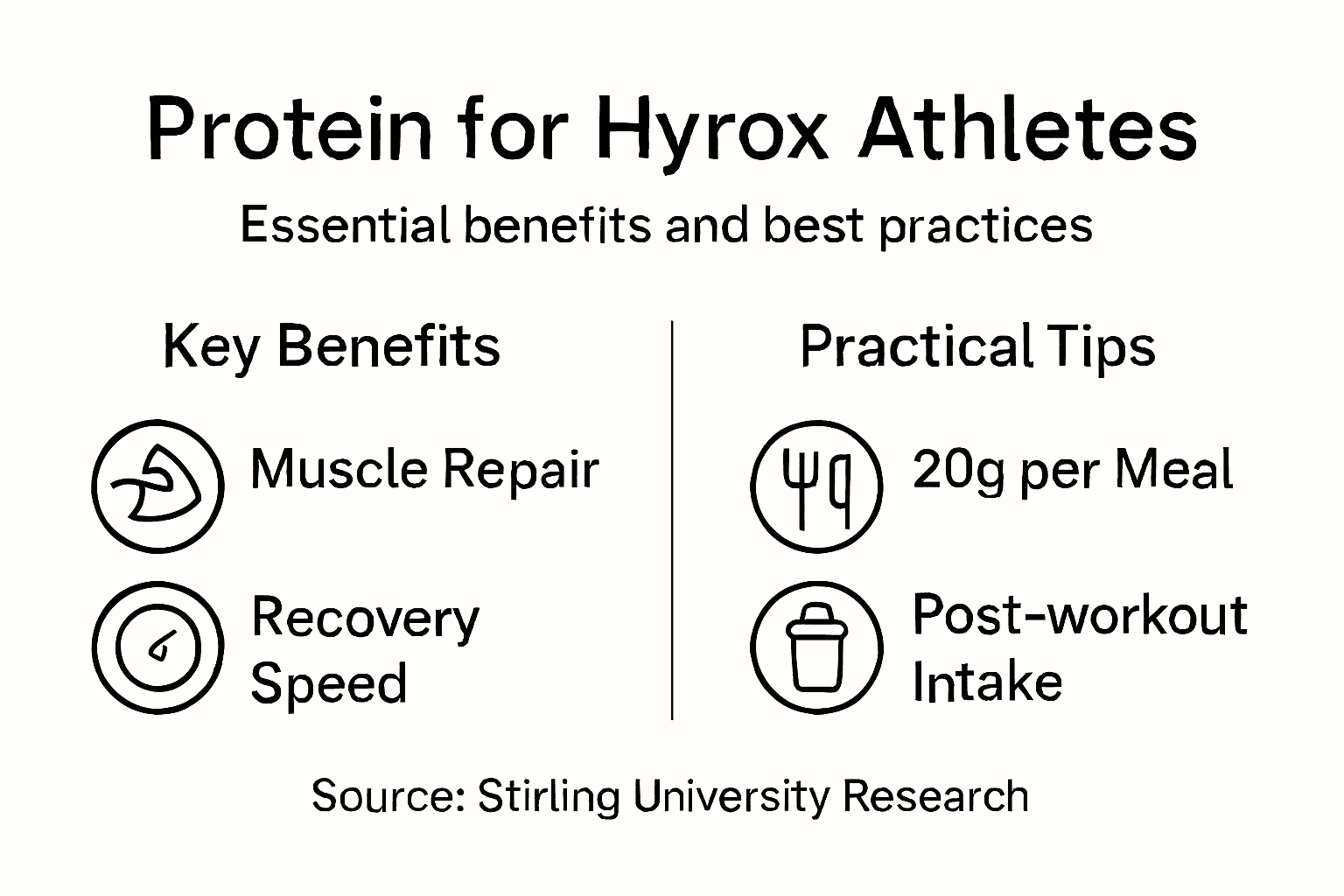
Research from stirling university highlights that approximately 20 grams of high-quality protein per meal optimises muscle recovery and hypertrophy. This recommendation applies across different protein sources, emphasising quality over quantity.
Here’s a concise guide to protein types commonly used by Hyrox athletes:
| Protein Type | Absorption Speed | Ideal Use Timing | Additional Nutrients |
|---|---|---|---|
| Whey | Rapid | Immediately post-workout | Calcium, B vitamins |
| Casein | Slow, sustained | Before sleep | Phosphorus, bioactive peptides |
| Plant-Based Blend | Moderate | Any time | Fibre, phytonutrients |
Not all protein sources are equally effective for athletic performance - selection matters.
Different protein types offer unique advantages for female Hyrox athletes depending on training phase and individual metabolic needs. Whey protein, with its rapid absorption, supports immediate post-exercise recovery, while casein provides extended muscle protein synthesis during rest periods.
Pro tip: Rotate between different protein types to provide comprehensive nutritional support and prevent potential adaptation plateaus in your muscle recovery process.
How Protein Supports Recovery and Adaptation
For female Hyrox athletes, protein is far more than a simple nutritional component - it’s a critical mechanism for physiological repair and performance enhancement. Understanding how protein supports recovery and adaptation can transform training outcomes and athletic resilience.
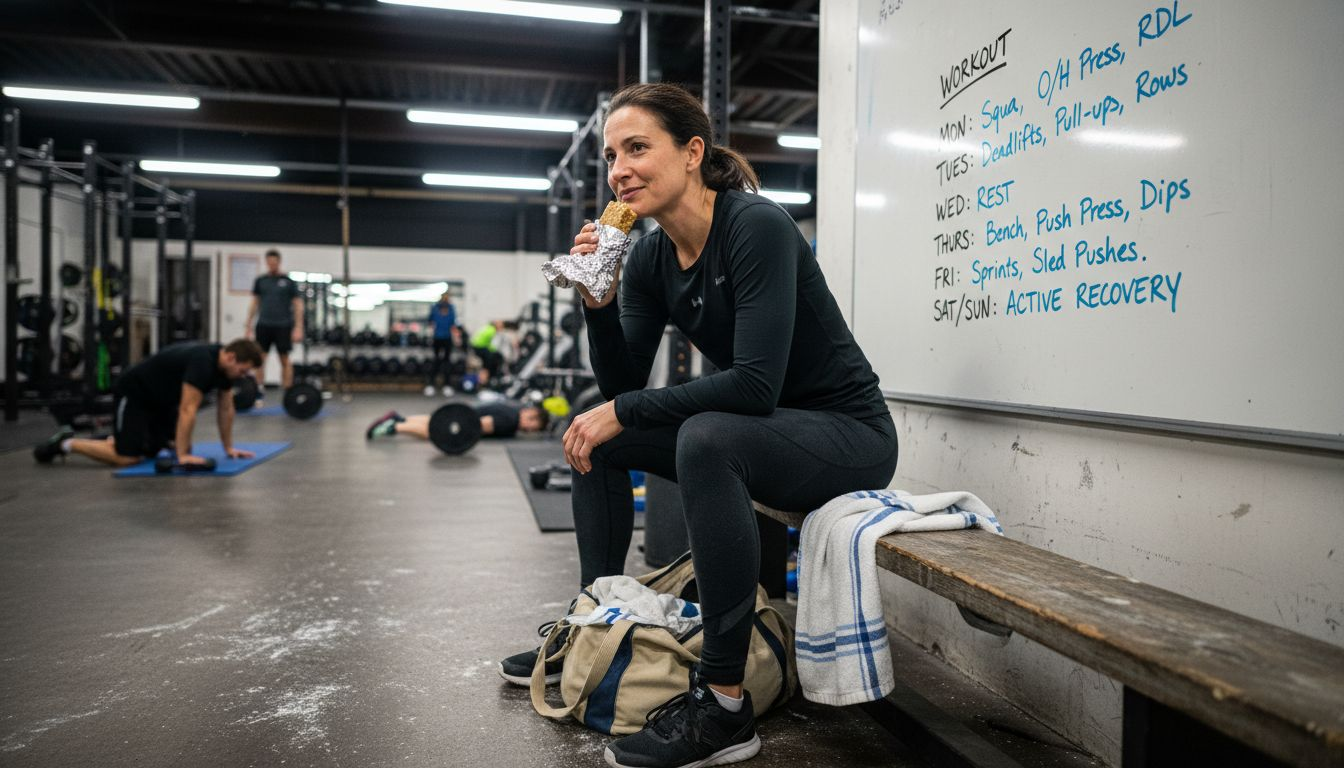
Research reveals that protein-carbohydrate supplementation supports immune function and reduces exercise-induced muscle damage, creating a comprehensive recovery environment for intense training.
Key Recovery and Adaptation Mechanisms:
-
Muscle Protein Synthesis:
- Repairs microscopic muscle tissue damage
- Rebuilds stronger muscle fibres
- Enhances muscle adaptation to training stress
-
Immune System Support:
- Reduces inflammation
- Accelerates cellular repair processes
- Maintains athletic resilience
-
Hormonal Regulation:
- Balances stress hormones
- Supports metabolic efficiency
- Optimises recovery hormonal environment
Scientific studies demonstrate that daily protein intake around 1.6 g/kg bodyweight optimises lean mass gains and performance improvements without compromising physiological health.
Protein is not just a nutrient - it’s a strategic recovery tool for dedicated athletes.
The complex process of muscle adaptation requires consistent, high-quality protein intake. This supports not just physical repair, but the intricate cellular mechanisms that transform training stress into performance improvements.
Pro tip: Consume protein within 30 minutes post-training to maximise muscle recovery and adaptation windows.
Protein Requirements for Female Athletes
Hyrox female athletes require a nuanced approach to protein intake that goes beyond generic nutritional guidelines. Understanding the unique physiological demands of high-intensity training is crucial for developing an effective protein strategy.
Research demonstrates that protein intake strategies for endurance athletes must be carefully tailored to support muscle protein synthesis and recovery.
Key Protein Intake Considerations for Female Athletes:
-
Quantity Requirements:
- 1.2-2.0 g/kg bodyweight daily
- Higher end for intense training periods
- Adjusted based on training intensity
-
Distribution Strategies:
- 0.25-0.30 g protein per kg bodyweight per meal
- Spread protein intake across 4-5 meals
- Prioritise high-quality protein sources
-
Timing Recommendations:
- Consume protein within 30 minutes post-training
- Include protein in pre-workout meals
- Maintain consistent intake throughout day
Empirical guidelines suggest female athletes should focus on meal-specific protein consumption rather than total daily intake, optimising muscle protein synthesis and recovery potential.
Female athletes require precision, not just quantity, in protein nutrition.
Physiological differences between male and female athletes necessitate a more nuanced approach to protein intake. Hormonal variations, muscle composition, and metabolic responses all influence protein utilisation and recovery mechanisms.
Pro tip: Experiment with protein timing and sources to discover your individual optimal intake strategy, tracking performance and recovery improvements.
Risks of Insufficient or Excess Intake
Protein intake for Hyrox female athletes is a delicate balance where both deficiency and overconsumption can compromise athletic performance and overall health. Understanding these potential risks is crucial for maintaining optimal nutritional strategies.
Research indicates protein intake risks in athletic populations extend beyond simple nutritional considerations, potentially impacting metabolic and organ function.
Risks of Insufficient Protein Intake:
-
Performance Limitations:
- Reduced muscle recovery
- Decreased strength gains
- Impaired immune system function
-
Physiological Consequences:
- Increased muscle breakdown
- Slower metabolic rate
- Higher injury susceptibility
-
Hormonal Disruptions:
- Potential menstrual cycle irregularities
- Reduced bone density
- Compromised reproductive health
Risks of Excess Protein Consumption:
-
Metabolic Strain:
- Potential kidney stress
- Increased biochemical markers
- Higher metabolic energy expenditure
-
Digestive Issues:
- Potential gut microbiome disruption
- Increased inflammation markers
- Potential digestive discomfort
Scientific guidelines suggest that protein intake around 1.6 g/kg/day represents an optimal threshold for maximising training adaptations without introducing unnecessary physiological stress.
Compare the effects of protein intake levels on performance and health:
| Intake Level | Athletic Performance Impact | Potential Health Effects |
|---|---|---|
| Insufficient | Slower recovery, reduced gains | Muscle loss, hormonal imbalance |
| Optimal | Enhanced recovery, peak gains | Maintained muscle mass, resilience |
| Excessive | No added performance benefit | Digestive stress, kidney burden |
Balance, not excess, defines optimal nutritional strategies for athletes.
Individual variability means athletes must monitor their own physiological responses, recognising that one-size-fits-all approaches rarely succeed in high-performance nutrition.
Pro tip: Consult a sports nutritionist to develop a personalised protein intake strategy tailored to your specific metabolic profile and training demands.
Choosing Effective, Natural Protein Sources
For female Hyrox athletes, selecting the right protein sources is more than a nutritional choice - it’s a strategic performance decision. Understanding the nuanced differences between protein sources can significantly impact training outcomes and overall athletic performance.
Research highlights that natural protein sources provide essential amino acids crucial for muscle protein synthesis and recovery.
Top Natural Protein Sources for Hyrox Athletes:
-
Animal-Based Proteins:
- Lean chicken breast
- Wild-caught fish
- Eggs
- Greek yoghurt
- Grass-fed beef
-
Plant-Based Proteins:
- Quinoa
- Lentils
- Tempeh
- Hemp seeds
- Pea protein
-
Mixed Protein Combinations:
- Combinations of plant and animal sources
- Rice and bean protein mixes
- Varied amino acid profiles
Natural protein sources offer additional benefits beyond pure protein content, including micronutrients, essential minerals, and complex nutritional profiles that support comprehensive athletic development.
Quality trumps quantity in protein selection for high-performance athletes.
Vegetarian and vegan athletes can achieve complete protein intake through strategic food combinations and thoughtful supplementation, ensuring comprehensive amino acid profiles for optimal muscle recovery.
Pro tip: Rotate protein sources weekly to ensure diverse nutrient intake and prevent potential adaptation or nutritional monotony.
Elevate Your Protein Strategy for Peak Hyrox Performance
Female Hyrox athletes face the challenge of balancing precise protein intake with intense training demands to maximise muscle recovery and endurance. The article highlights key pain points such as optimising protein timing, choosing the right natural ingredients, and avoiding both insufficient and excessive consumption. Achieving effective muscle repair and sustained energy requires more than protein alone — it demands a comprehensive approach that supports metabolic efficiency and immune resilience.
Discover how natural pre-workout supplements designed specifically for high intensity sports can complement your protein strategy.
Activate your full athletic potential with our clean, natural formulas that fuel recovery and enhance performance. Visit Use Interval today to access supplements crafted to support your demanding Hyrox training. Make every workout count by integrating the right nutrition and supplementation now. Your peak results start here.
Frequently Asked Questions
What role does protein play in recovery for female Hyrox athletes?
Protein is essential for muscle repair and recovery, as it helps rebuild microscopic muscle damage caused by intense workouts. Consuming protein post-exercise can enhance muscle protein synthesis and accelerate recovery processes.
How much protein should female Hyrox athletes consume daily?
Female Hyrox athletes typically require 1.2-2.0 g of protein per kg of body weight daily, with higher amounts recommended during intense training periods to ensure adequate recovery and muscle adaptation.
What are the best times to consume protein for optimal results?
For optimal results, female athletes should aim to consume protein within 30 minutes post-training, and include protein in pre-workout meals to support muscle protein synthesis and recovery.
How do different protein types compare in terms of benefits for training?
Whey protein is absorbed rapidly and is ideal for post-workout recovery, while casein provides a slow release of amino acids for overnight recovery. Plant-based proteins can be suitable for vegetarian and vegan athletes but may require careful combination to ensure complete amino acid profiles.