


Master Your Workout Hydration Routine for Peak Performance
Hydration can make or break your Hyrox training, and many British women athletes underestimate just how much it shapes performance. Research shows that tailored fluid strategies can improve endurance in high-intensity sports by over 20 percent. For British Hyrox competitors who demand more from every session, understanding personal hydration needs is a game-changer. This guide breaks down practical methods and expert insights so you get real results from every part of your routine.
Table of Contents
- Step 1: Assess Your Hydration Needs Before Training
- Step 2: Select The Right Pre-Workout And Electrolytes
- Step 3: Implement Hydration Timing For High-Intensity Sessions
- Step 4: Monitor Fluid Balance During And After Exercise
- Step 5: Verify Performance Improvements And Adjust Routine
Quick Summary
| Key Insight | Explanation |
|---|---|
| 1. Assess your unique hydration needs | Personalise fluid intake based on body weight, training intensity, and environmental factors to optimise performance. |
| 2. Choose appropriate pre-workout supplements | Select supplements that match your training demands, focusing on key ingredients for energy and hydration support. |
| 3. Implement effective hydration timing | Drink fluids consistently before and during exercise to maintain peak performance, especially in high-intensity sessions. |
| 4. Monitor hydration status accurately | Track body weight changes, fluid intake, and urine colour to manage hydration levels and enhance recovery. |
| 5. Continuously evaluate and adjust strategies | Regularly analyse performance data in relation to hydration practices to refine and improve your routine. |
Step 1: Assess your hydration needs before training
Preparing for peak athletic performance starts with understanding your unique hydration requirements. Unlike generic advice, your fluid intake must be personalised to your body, training intensity, and environmental conditions. Athletes require a strategic approach that goes beyond simply drinking water.
To accurately assess your hydration needs, you’ll want to consider multiple factors. Track-and-field athletes demonstrate significant variation in fluid requirements depending on event type, sweat rate, and climate. Begin by tracking your baseline hydration status through a simple weight measurement method: weigh yourself before and after training to calculate fluid loss. For every 0.5 kilograms lost during exercise, you’ll need to replenish approximately 500 millilitres of fluid.
Additionally, the NCAA recommends evaluating your individual hydration needs based on training load and environmental factors. This means considering not just your workout intensity, but also temperature, humidity, and your personal sweat rate. Athletes with higher metabolic rates or those training in hot conditions will require more sophisticated hydration strategies.
Here’s a summary of factors influencing personalised hydration needs for athletes:
| Influencing Factor | Impact on Hydration Needs | Example Adjustment |
|---|---|---|
| Body Weight | Heavier athletes lose more fluid | Increase fluid replacement |
| Training Intensity | Higher intensity raises losses | Drink more pre- and post-work |
| Environmental Conditions | Heat and humidity accelerate loss | Add electrolytes in hot weather |
| Sweat Rate | Greater sweat production means more fluid required | Monitor and track individual losses |
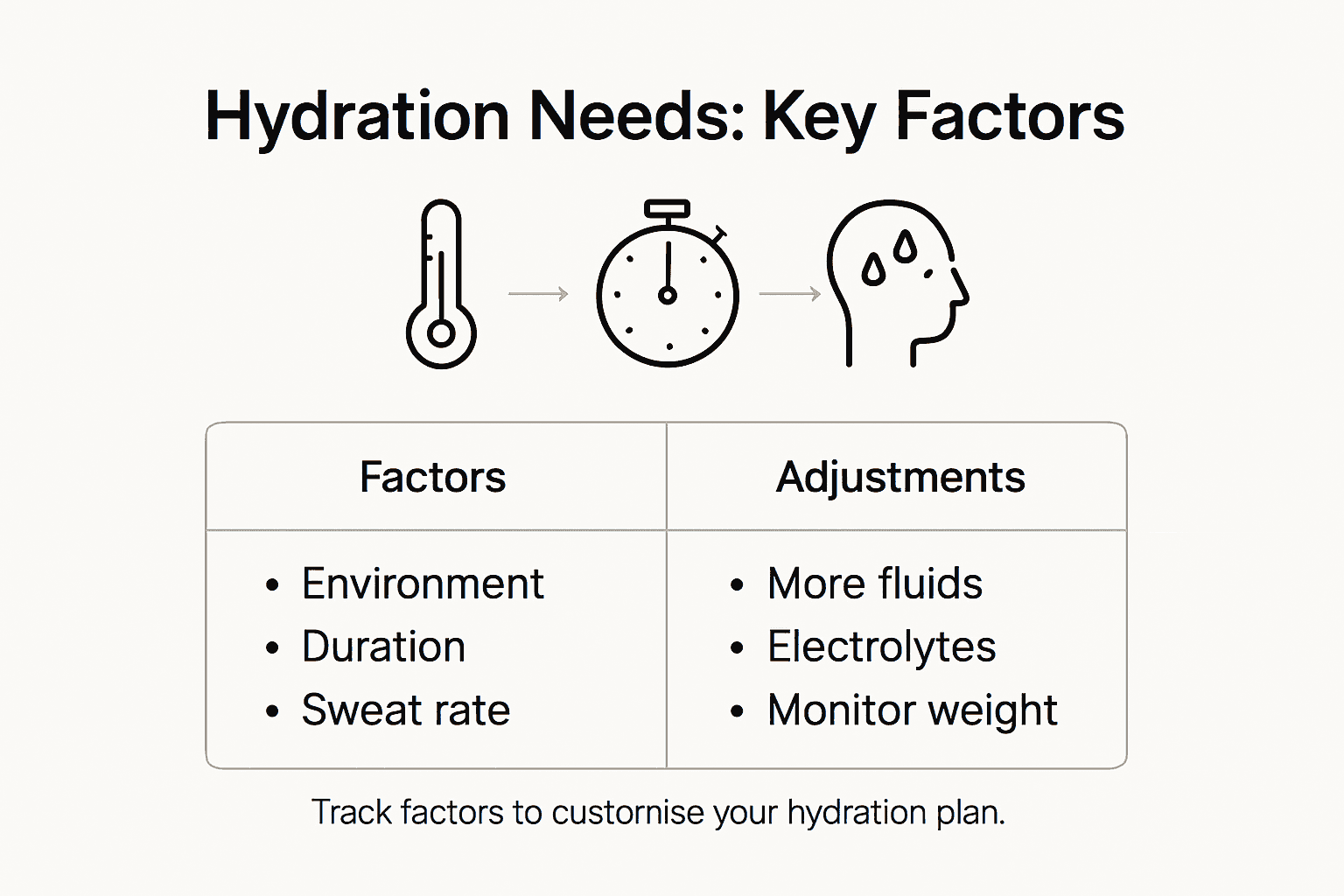
Expert advice: Keep a detailed hydration log tracking your fluid intake, training conditions, and performance metrics to develop a personalised hydration strategy over time.
Step 2: Select the right pre-workout and electrolytes
Choosing the optimal pre-workout and electrolyte strategy is crucial for maximising your athletic performance and maintaining proper hydration. Your selection must go beyond generic recommendations and focus on personalised nutrition that supports your specific training demands.
Electrolyte replacement during exercise is essential for maintaining fluid balance, particularly focusing on key minerals like sodium, potassium, and magnesium that support muscle and nerve function. For athletes engaging in high-intensity workouts lasting over an hour, carbohydrate-rich electrolyte drinks can provide sustained energy and prevent performance decline. The guidance from occupational health experts suggests avoiding excessive salt intake and instead recommending balanced electrolyte consumption through targeted nutrition.
When selecting pre-workout supplements, consider your specific training intensity, duration, and environmental conditions. Key pre-workout ingredients can significantly enhance your performance by providing targeted nutritional support. Look for products containing balanced electrolyte profiles, easily digestible carbohydrates, and minimal artificial additives.
This table highlights common pre-workout and electrolyte choices and their specific benefits:
| Supplement Type | Primary Benefit | Typical Usage Scenario |
|---|---|---|
| Isotonic Drink | Rapid fluid and mineral absorption | Moderate to high-intensity sessions |
| Carbohydrate Gel | Quick energy release | Endurance or long-duration workouts |
| Electrolyte Tablet | Targeted mineral replacement | Heavy sweat or hot conditions |
| Natural Juice Blend | Carbohydrates and antioxidants | Light training or recovery |
Expert advice: Test different electrolyte formulations during training sessions to identify the most effective blend for your individual metabolic needs and workout style.
Step 3: Implement hydration timing for high-intensity sessions
Precise hydration timing can transform your high-intensity training from average to exceptional. Understanding exactly when and how to hydrate will help you maintain peak performance and prevent the potential performance decline associated with fluid imbalances.
World Athletics research recommends consuming approximately 500 ml of fluid two hours before exercise, allowing adequate time for hydration and excess fluid elimination. During your actual training session, the key is consistent fluid intake. The American College of Sports Medicine suggests drinking fluids at regular 15-20 minute intervals, with cooler temperature drinks that support rapid absorption.
For high-intensity sessions lasting over an hour, incorporate carbohydrate and electrolyte solutions to maintain energy levels and prevent mineral depletion. Pre-workout timing strategies can significantly optimise your hydration approach, ensuring you enter each training session in a fully prepared physiological state. Monitor your body’s response and adjust your hydration strategy based on workout duration, environmental conditions, and individual sweat rates.
Expert advice: Invest in a timing device or smartphone app to track your fluid intake intervals during training, helping you maintain consistent hydration without disrupting your workout flow.
Step 4: Monitor fluid balance during and after exercise
Tracking your body’s hydration status is crucial for maintaining performance and preventing potential health risks associated with dehydration. Understanding how to effectively monitor fluid balance will help you optimise your training and recovery.
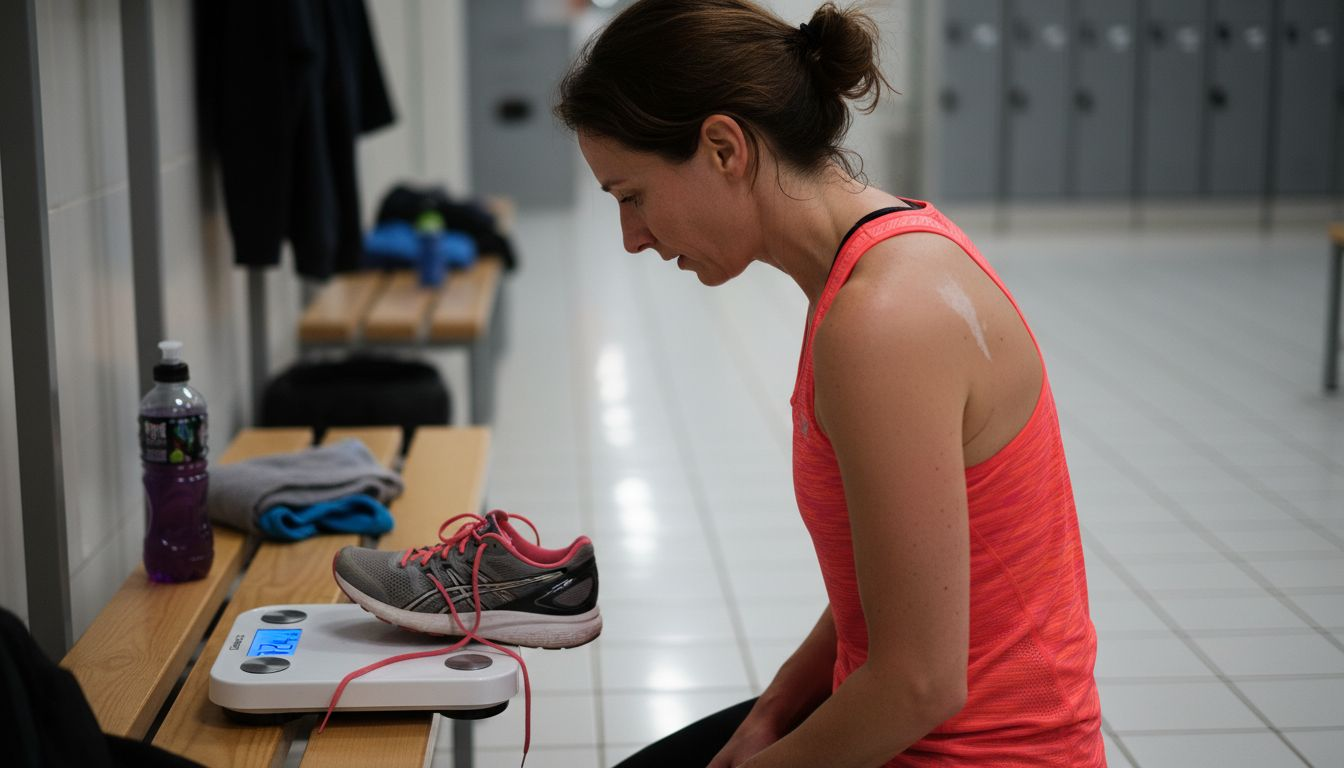
World Athletics research demonstrates that tracking body weight changes is an essential method for estimating sweat losses. Weigh yourself immediately before and after exercise to calculate fluid loss. For every 0.5 kilograms lost, aim to replace approximately 500 millilitres of fluid. The United States Anti-Doping Agency recommends monitoring urine colour as another reliable hydration indicator, with pale straw-coloured urine signalling optimal hydration levels.
Post exercise, implement a strategic rehydration approach by consuming electrolyte-rich fluids. The role of electrolytes in heat becomes particularly critical for athletes during intense training, as mineral replacement supports faster recovery and prevents potential performance decline. Target consuming 150% of the fluid lost within a few hours, prioritising beverages that contain sodium, potassium, and magnesium to support complete physiological recovery.
Expert advice: Create a simple hydration log tracking your pre and post workout weight, fluid intake, and urine colour to build a personalised understanding of your body’s unique hydration patterns.
Step 5: Verify performance improvements and adjust routine
Continuous improvement requires systematic tracking and thoughtful analysis of your hydration strategies. Understanding how your body responds to different approaches will help you refine your performance optimisation techniques.
The NCAA emphasises the critical importance of regularly evaluating training outcomes and making individualised modifications. Begin by establishing baseline performance metrics such as workout intensity, recovery time, and subjective energy levels. Track these indicators consistently alongside your hydration routine to identify meaningful correlations and potential areas for improvement.
World Athletics recommends athletes verify hydration strategies by monitoring physical performance and specific hydration markers. This involves recording factors like sweat rate, workout intensity, and environmental conditions. Women athletes can further refine their approach by understanding personalised performance strategies that account for individual metabolic differences and training goals.
Expert advice: Invest in a digital tracking system or spreadsheet to systematically record and analyse your hydration and performance data, enabling more precise routine adjustments.
Elevate Your Hydration Strategy with Targeted Pre-Workout Solutions
Mastering your hydration routine is essential for overcoming the challenges of high-intensity training and optimising performance. The article highlights the importance of personalised hydration timing, electrolyte balance, and replenishment to prevent fatigue and maintain peak energy levels. If you are looking to conquer issues such as rapid fluid loss, muscle cramps, or energy dips during intense sessions, personalised pre-workout and electrolyte supplements can provide the precise nutritional support your body demands.
Discover natural, athlete-focused formulas designed to meet your unique sweat rate and training intensity. Our Pre-workout – Interval range includes balanced electrolyte blends and clean ingredients proven to sustain hydration without the crash. For those wanting a comprehensive approach, explore our Bundle – Interval packs that combine hydration staples with performance enhancers to simplify your routine. Start transforming your training today by visiting useinterval.co.uk.
Ready to take control of your hydration and fuel your best performance? Visit our Pre-workout – Interval collection now and find the perfect blend for your high-intensity workout demands. Don’t let dehydration or poor electrolyte balance hold you back—start your journey to sustained energy and optimal recovery with Interval’s natural supplements.
Frequently Asked Questions
How can I assess my hydration needs before training?
To assess your hydration needs, weigh yourself before and after training to calculate fluid loss. For every 0.5 kilograms lost, aim to replenish approximately 500 millilitres of fluid.
What are the best pre-workout supplements for hydration?
Select pre-workout supplements that include balanced electrolytes and easily digestible carbohydrates. Test different formulations during training sessions to identify what best supports your performance.
When should I hydrate before and during high-intensity workouts?
Consume approximately 500 millilitres of fluid two hours before exercise and continue to drink at regular 15-20 minute intervals during your training. This will help maintain optimal energy levels and fluid balance.
How do I monitor my body’s fluid balance during and after exercise?
Weigh yourself before and after exercise to estimate sweat loss, and replace each 0.5 kilograms lost with about 500 millilitres of fluid. Additionally, monitor your urine colour; pale straw-coloured urine indicates proper hydration levels.
How can I track performance improvements related to my hydration routine?
Establish baseline performance metrics like workout intensity and recovery time, then consistently track these alongside your hydration routine. Adjust your strategy based on your findings to enhance your performance further.
What factors should I consider for personalised hydration?
Consider your body weight, training intensity, environmental conditions, and personal sweat rate to personalise your hydration approach. Keep a hydration log to evaluate your needs and adjust your fluid intake accordingly.
Recommended
- Master the Pre-Workout Hydration Process for Peak Performance – Interval
- Master Electrolyte Use for Endurance in Sports – Interval
- Step by Step Workout Prep for Hyrox Athletes UK – Interval
- 7 Essential Types of Workout Drinks for Hyrox Athletes – Interval
- How to Promote Detox Success Naturally for Maximum Results - Mahoney inter