


Electrolyte tracking strategy for athletes: 2026 guide
TL;DR:
- An electrolyte tracking strategy personalizes mineral intake during training by measuring individual sweat losses. This approach replaces guesswork with data, helping prevent performance issues and dangerous conditions like hyponatraemia. Wearable sensors now enable real-time monitoring, allowing athletes to adjust hydration and electrolyte intake effectively based on their physiology.
An electrolyte tracking strategy is defined as a personalised system for measuring your sweat losses and adjusting mineral intake to match your body’s exact demands during training and competition. Generic hydration advice fails athletes because sweat rate and sodium concentration vary dramatically between individuals, conditions, and fitness levels. Tools like sweat rate testing and wearable ion patches now make precise, data-driven monitoring accessible outside the lab. The difference between a podium performance and a cramped, depleted finish often comes down to whether your electrolyte plan is built around your physiology or someone else’s average.
What is an electrolyte tracking strategy and why does it matter?
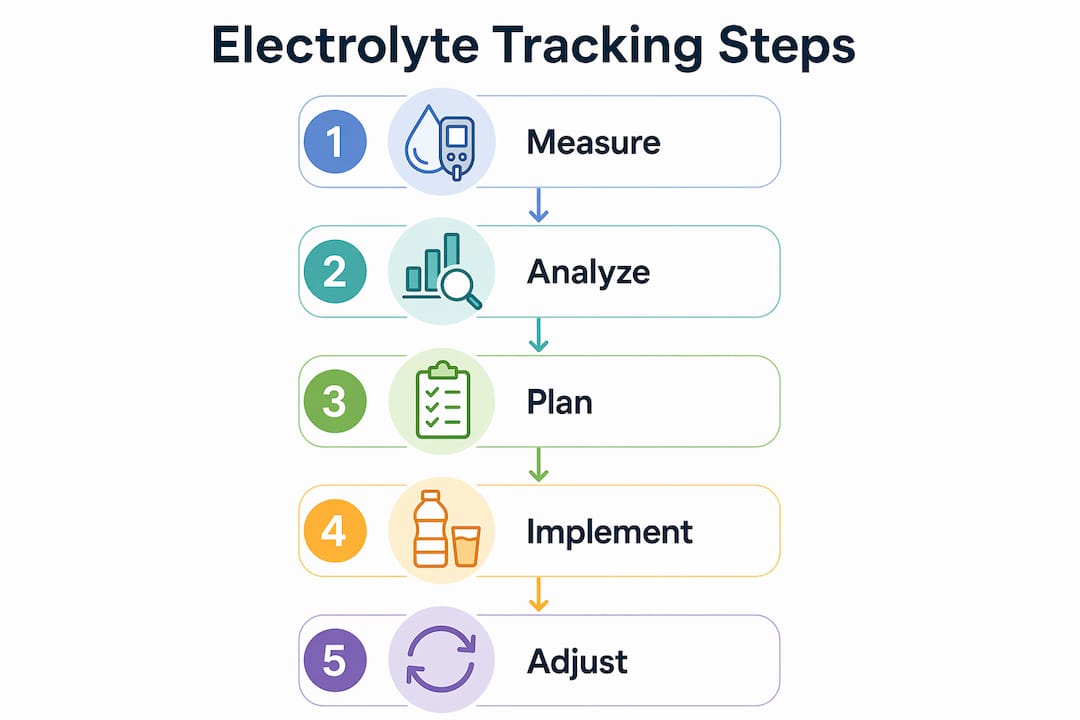
An electrolyte tracking strategy replaces guesswork with measurement. Rather than following a one-size-fits-all hydration schedule, you collect data on your sweat rate, sodium loss, and fluid deficit, then build a replenishment plan around those numbers. The importance of electrolyte balance goes beyond avoiding cramps. Sodium and potassium maintain the electrical gradients that drive muscle contractions and nerve signals. When those gradients slip, performance drops before you feel thirsty.
Personalised strategies also reduce the risk of hyponatraemia, a dangerous condition caused by drinking too much plain water without replacing sodium. Athletes who rely on rigid schedules are most vulnerable. A data-driven approach gives you a volume anchor based on your actual losses, not an arbitrary rule.
How do you calculate sweat rate and electrolyte loss?
The most reliable baseline comes from a pre- and post-exercise weigh-in. Perform this test without clothing to eliminate the weight of sweat-soaked kit. The formula is straightforward.
- Weigh yourself nude immediately before exercise.
- Exercise for a measured duration (60 minutes is standard) without drinking.
- Weigh yourself nude again immediately after, before urinating.
- Apply the formula: Sweat Rate = (pre-weight minus post-weight) × 1,000 ml/kg/hr.
- Record the ambient temperature and humidity alongside every test result.
A 70 kg athlete who loses 1 kg in one hour has a sweat rate of roughly 1,000 ml/hr. That figure becomes your planning anchor. Sodium concentration in sweat typically ranges from 400 mg to 1,800 mg per litre, with most athletes sitting around 900 mg/L. You can estimate your sodium loss by multiplying your sweat rate by your estimated concentration, or by using a laboratory sweat patch test for greater precision.
Environment matters significantly here. Heat and humidity increase both sweat volume and sodium concentration. Heat acclimatisation, achieved over 10–14 days of progressive heat exposure, actually reduces sodium losses over time as the body adapts. This means a test conducted in January will not reflect your July race-day physiology.
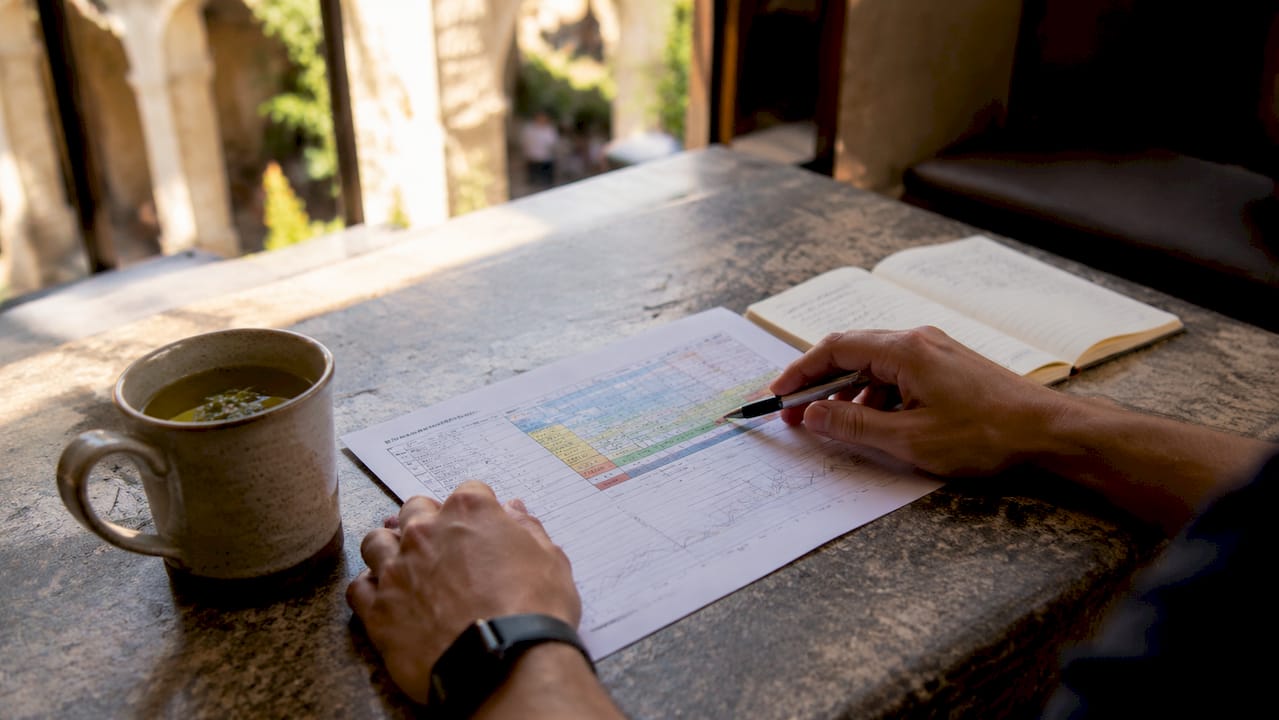
Pro Tip: Re-test your sweat rate every 3–6 months, and always retest when your training environment changes significantly, such as moving from indoor sessions to outdoor summer training.
What do wearable electrolyte monitoring devices actually offer?
Non-invasive wearable biosensors now give athletes real-time sweat electrolyte data that was previously only available in sports science laboratories. These devices sit against the skin, typically on the forearm or chest, and analyse sweat composition as you exercise. They transmit data to a paired smartphone app, allowing you to see sodium and potassium concentrations shifting in real time.
The practical advantage over static sweat tests is significant:
- Dynamic monitoring captures how your electrolyte losses change across a session, not just a single snapshot.
- Real-time alerts notify you when sodium levels drop below a threshold you set, prompting intake before symptoms appear.
- Session logs build a historical dataset, revealing patterns across different conditions, intensities, and durations.
- App integration with platforms like Apple Health or Garmin Connect allows you to correlate electrolyte data with heart rate, pace, and power output.
The wearable tech tracking athlete output space is growing fast. Devices from companies such as Epicore Biosystems and Gatorade’s Gx Sweat Patch represent the current generation of consumer-accessible tools. They are not perfect. Accuracy degrades if the sensor is poorly positioned or if sweat rate is very low. Treat the data as a directional guide, not a laboratory result.
Pro Tip: When reviewing live data mid-session, focus on trends rather than absolute numbers. A steady downward trend in sodium is more meaningful than any single reading.
How do you build a replenishment plan from your tracking data?
Your sweat rate data translates directly into a fluid and electrolyte intake plan. The target is to replace approximately 80% of fluid losses, not 100%. Replacing losses in full during exercise risks gastrointestinal distress and, in extreme cases, hyponatraemia. For an athlete losing 1,000 ml/hr, that means targeting around 800 ml/hr of fluid intake.
Sodium is the priority electrolyte to replace during exercise. Sodium loading 24–48 hours before long events lasting more than three hours expands plasma volume and improves cardiovascular efficiency. An additional 500–1,000 mg of sodium daily in the pre-event window is the recommended approach for endurance athletes competing in heat. This is not about eating more salt at dinner. It means using a targeted electrolyte product with a known sodium content.
The composition of your electrolyte solution matters as much as the volume. Glucose in electrolyte drinks activates the SGLT1 cotransporter in the gut, accelerating sodium and water absorption. This is why plain water with a sodium tablet absorbs more slowly than a properly formulated electrolyte drink containing carbohydrate. For sessions over one hour, choose a product that includes glucose or dextrose alongside sodium.
A well-balanced electrolyte solution for high-intensity sport contains 200–300 mg sodium, 300–350 mg potassium, and 40–100 mg magnesium per litre. The table below compares common electrolyte solution types against these benchmarks.
| Solution Type | Sodium (per litre) | Potassium (per litre) | Magnesium (per litre) |
|---|---|---|---|
| Balanced sports drink | 200–300 mg | 300–350 mg | 40–100 mg |
| Plain water | 0 mg | 0 mg | 0 mg |
| Coconut water | ~400 mg | ~1,500 mg | ~60 mg |
| DIY salt and sugar mix | Variable | 0 mg | 0 mg |
| Useinterval electrolyte | Formulated to target range | Formulated to target range | Formulated to target range |
For a practical three-phase plan:
- Pre-event (2–3 hours before): Consume 500 ml of fluid with 300–500 mg sodium. If the event exceeds three hours, begin sodium loading 24–48 hours prior.
- During exercise: Match 80% of your measured sweat rate. Use a glucose-containing electrolyte drink for sessions over 60 minutes.
- Recovery: Consume 1.5 litres of fluid per kilogram of body weight lost. Include sodium to stimulate thirst and retain fluid.
For a deeper look at electrolyte use for endurance, the demands of long-duration events require additional planning around gut tolerance and sodium accumulation.
How does diet and lifestyle affect electrolyte balance?
Your diet and daily habits shape your electrolyte needs as much as your training load. Several factors are frequently overlooked.
- High-protein diets increase obligatory water requirements by 0.5–1 litre per day due to increased urea excretion. Athletes following high-protein protocols for muscle gain must factor this into their hydration calculations or risk chronic mild dehydration.
- Sodium and potassium interact directly. Managing both in tandem is necessary to maintain cellular fluid balance. A high-potassium diet without adequate sodium can impair fluid retention, and vice versa.
- Supplement label literacy is non-negotiable. Many athletes overuse electrolyte supplements without accounting for dietary sodium intake, which risks hypertension and metabolic stress. Supplementation should be targeted to training context, volume, and heat exposure.
- Heat acclimatisation modifies sweat composition over time. As your body adapts to heat, sweat sodium concentration decreases. This means your electrolyte needs in week one of a heat block differ from week three.
Pro Tip: During multi-day training blocks or heat waves, track your morning body weight each day. A consistent drop of more than 1% suggests cumulative fluid deficit that your in-session intake is not fully correcting.
Reviewing your electrolyte-rich diet alongside your supplement use gives you a complete picture of your daily mineral intake.
How do you troubleshoot and refine your electrolyte plan?
Even a well-designed plan produces problems. Knowing what to look for keeps you ahead of performance decline.
Common symptoms and their likely causes:
- Muscle cramps during exercise: Often sodium or magnesium deficit, particularly in heat.
- Nausea or bloating mid-session: Fluid intake exceeding gut absorption capacity, or too much fructose in your drink.
- Headache and confusion post-exercise: Classic signs of hyponatraemia from over-drinking without sodium replacement.
- Persistent fatigue across a training block: Cumulative electrolyte deficit, often compounded by inadequate dietary intake.
| Tracking Challenge | Likely Cause | Practical Fix |
|---|---|---|
| Cramping in late stages | Sodium deficit accumulating over time | Increase sodium intake from 90 minutes onward |
| Bloating during intake | Drink volume exceeds gut rate | Reduce to smaller, more frequent sips |
| Hyponatraemia symptoms | Over-drinking plain water | Switch to sodium-containing drink, reduce volume |
| Inaccurate sweat test | Clothing worn during weigh-in | Repeat test nude, controlled conditions |
| Inconsistent results | Test conditions vary | Standardise temperature, duration, and intensity |
Drinking to thirst informed by sweat rate data is superior to rigid schedules. Use your measured sweat rate as a volume anchor, then let thirst guide fine-tuning within that range. Sweat stains on dark kit and a salty taste on skin are useful low-tech signals. Heavy white residue after a session suggests high sodium losses and a need to increase sodium replacement.
Key takeaways
A precise electrolyte tracking strategy built on measured sweat rate and individual mineral losses is the most effective way to protect performance and accelerate recovery.
| Point | Details |
|---|---|
| Measure before you manage | Use pre- and post-exercise weighing to establish your personal sweat rate baseline. |
| Replace 80%, not 100% | Targeting 80% of fluid losses reduces hyponatraemia and gastrointestinal distress risk. |
| Sodium loading works for long events | Add 500–1,000 mg sodium daily in the 24–48 hours before events lasting over three hours. |
| Glucose accelerates absorption | Choose electrolyte drinks containing glucose for sessions over 60 minutes to activate SGLT1. |
| Diet shapes your needs | Account for protein intake, heat acclimatisation, and dietary sodium before adding supplements. |
Why i think most athletes are still getting this wrong
The shift from generic hydration advice to data-driven electrolyte management is one of the most meaningful changes I have seen in athlete nutrition over the past decade. Yet most athletes I encounter are still following a schedule someone else wrote, for a body that is not theirs.
The biggest mistake is treating electrolyte supplementation as a daily habit rather than a training-specific tool. Reaching for an electrolyte drink every morning regardless of session load or sweat rate is not a strategy. It is a routine. Those are different things. Targeted supplement use aligned with actual activity demands prevents unnecessary intake and the health risks that come with it.
Wearable biosensors have changed what is possible for everyday athletes. You no longer need a sports science lab to get meaningful sweat data. But the technology is only as useful as your willingness to act on it. Real-time data that you ignore mid-session is no better than no data at all.
My honest recommendation is to start with the basics: do a proper sweat rate test, build a three-phase plan around your numbers, and then layer in wearable monitoring once you have a baseline to compare against. Avoid the trap of over-hydrating because you have a device telling you to drink. The goal is precision, not volume.
— Tom
Start your electrolyte plan with the right foundation
Building a personalised electrolyte plan is straightforward when you have the right products behind it. Useinterval’s Starter Bundle is designed for athletes beginning their journey into precise hydration management. It combines natural-ingredient electrolytes formulated to hit the sodium, potassium, and magnesium ratios that matter for high-intensity sport.
If you are serious about moving beyond generic hydration advice, the Starter Bundle gives you a practical starting point. Pair it with your sweat rate data and the three-phase replenishment framework in this guide, and you have a complete system. For a broader comparison of natural electrolyte supplements, Useinterval’s blog covers the key ratios and what to look for on a label.
FAQ
What is the simplest way to start tracking electrolytes?
Begin with a pre- and post-exercise weigh-in to calculate your sweat rate. Use the formula: Sweat Rate = (pre-weight minus post-weight) × 1,000 ml/kg/hr, then build your fluid intake target around replacing 80% of that loss.
How much sodium should i consume during a long event?
For events lasting over three hours, aim for 500–1,000 mg of additional sodium in the 24–48 hours before the event. During the event, match your sodium intake to your measured sweat sodium concentration.
Are electrolyte tracking apps worth using?
Apps paired with wearable biosensors provide real-time sweat data that static tests cannot match. They are most useful for identifying trends across sessions rather than relying on single-session readings.
Can i get enough electrolytes from diet alone?
For low-intensity training, dietary sources often suffice. For high-intensity or prolonged sessions in heat, targeted supplementation aligned with your sweat losses is necessary to avoid deficit accumulation.
Why do i still cramp even when i drink plenty of fluid?
Cramping during exercise is frequently caused by sodium or magnesium deficit rather than fluid volume. Drinking more plain water without replacing electrolytes can worsen the problem by diluting blood sodium further.