


Muscle fatigue in Hyrox: optimise recovery in 2026
Most Hyrox athletes believe muscle fatigue is simply about pushing harder or training longer. The truth is more nuanced. Fatigue in high-intensity events stems from complex metabolic, neuromuscular, and hormonal processes that require strategic management. Understanding these mechanisms allows you to optimise training, accelerate recovery, and sustain performance across multiple races. This guide unpacks the science behind muscle fatigue and delivers evidence-based strategies tailored for athletes aged 30-50 competing in Hyrox.
Table of Contents
- What Causes Muscle Fatigue In Hyrox Athletes
- How To Recover Effectively From Muscle Fatigue After Hyrox
- Natural Supplements To Combat Muscle Fatigue And Boost Recovery
- Tailoring Fatigue Management And Supplementation To Your Hyrox Needs
- Boost Your Hyrox Recovery With Interval’s Starter Bundle
- Frequently Asked Questions
Key takeaways
| Point | Details |
|---|---|
| Metabolic causes | Muscle fatigue in Hyrox athletes is primarily caused by lactate accumulation, glycogen depletion, and neuromuscular fatigue during high-intensity competition. |
| Recovery essentials | Active movement, balanced macronutrient replacement, and 7-9 hours sleep accelerate repair and reduce inflammation within 24 hours. |
| Natural supplementation | Rhodiola rosea, plant proteins, and Cistanche deserticola improve endurance, reduce muscle damage markers, and support oxidative stress management. |
| Electrolyte replacement | Replacing sodium at 500-800 mg/L post-race restores fluid balance and prevents cramping in subsequent training. |
| Personalised strategies | Individualised dosing, genetic considerations, and sport-specific demands optimise supplement efficacy and avoid adaptation blunting. |
What causes muscle fatigue in Hyrox athletes
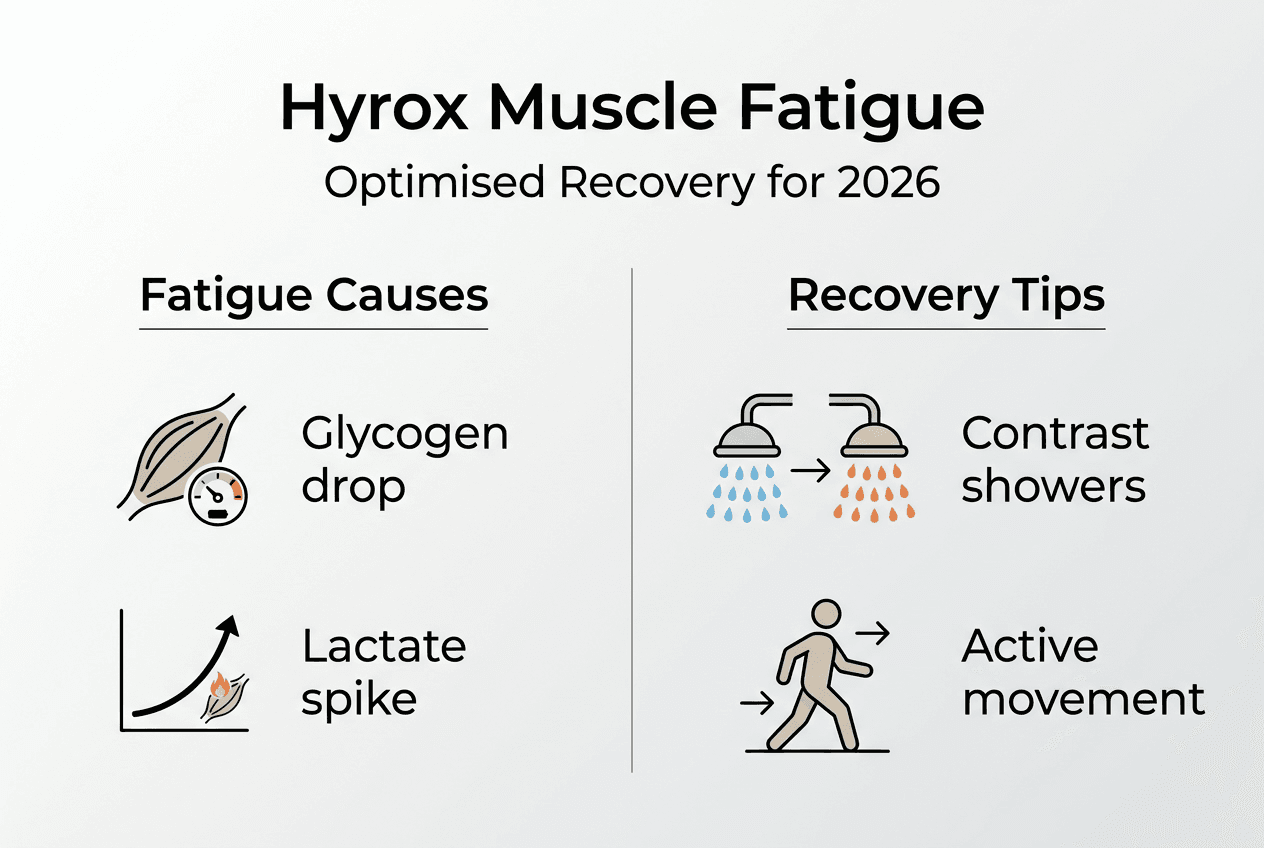
Hyrox events demand sustained high-intensity effort across eight stations and running segments. This combination creates a unique fatigue profile. Muscle fatigue in Hyrox athletes is primarily caused by accumulation of lactate, phosphate, glycogen depletion, and neuromuscular fatigue rather than simple lactic acid build-up as many assume.
During a typical Hyrox race, glycogen stores drop by 40-60%. Lactate levels spike to 10-20 mmol/L, particularly after sled pushes and burpee broad jumps. These metabolic byproducts interfere with calcium release in muscle fibres, directly impairing contraction力. Your central nervous system also experiences fatigue as motor unit recruitment becomes less efficient under sustained load.
Heart rate elevation and cortisol release add systemic stress. Athletes aged 30-50 face slower recovery from these hormonal spikes compared to younger competitors. The table below summarises typical metabolic shifts during a 60-minute Hyrox race.
| Metabolic marker | Pre-race | Mid-race | Post-race |
|---|---|---|---|
| Glycogen (mmol/kg) | 120-140 | 70-90 | 50-70 |
| Lactate (mmol/L) | 1-2 | 12-18 | 8-12 |
| Cortisol (nmol/L) | 200-300 | 450-550 | 350-450 |
| Heart rate (bpm) | 65-75 | 165-185 | 95-110 |
Pro Tip: Consume 30-60g of carbohydrates per hour during training sessions mimicking race intensity to train your gut and delay glycogen depletion on race day.
Understanding these mechanisms helps you target recovery interventions precisely. Managing electrolytes and heat stress in Hyrox athletes becomes critical when metabolic demand peaks.
How to recover effectively from muscle fatigue after Hyrox
Recovery begins the moment you cross the finish line. Active recovery, balanced nutrition, and sleep accelerate repair within 24 hours post-race when executed correctly. Passive rest alone leaves inflammation unchecked and delays performance restoration.
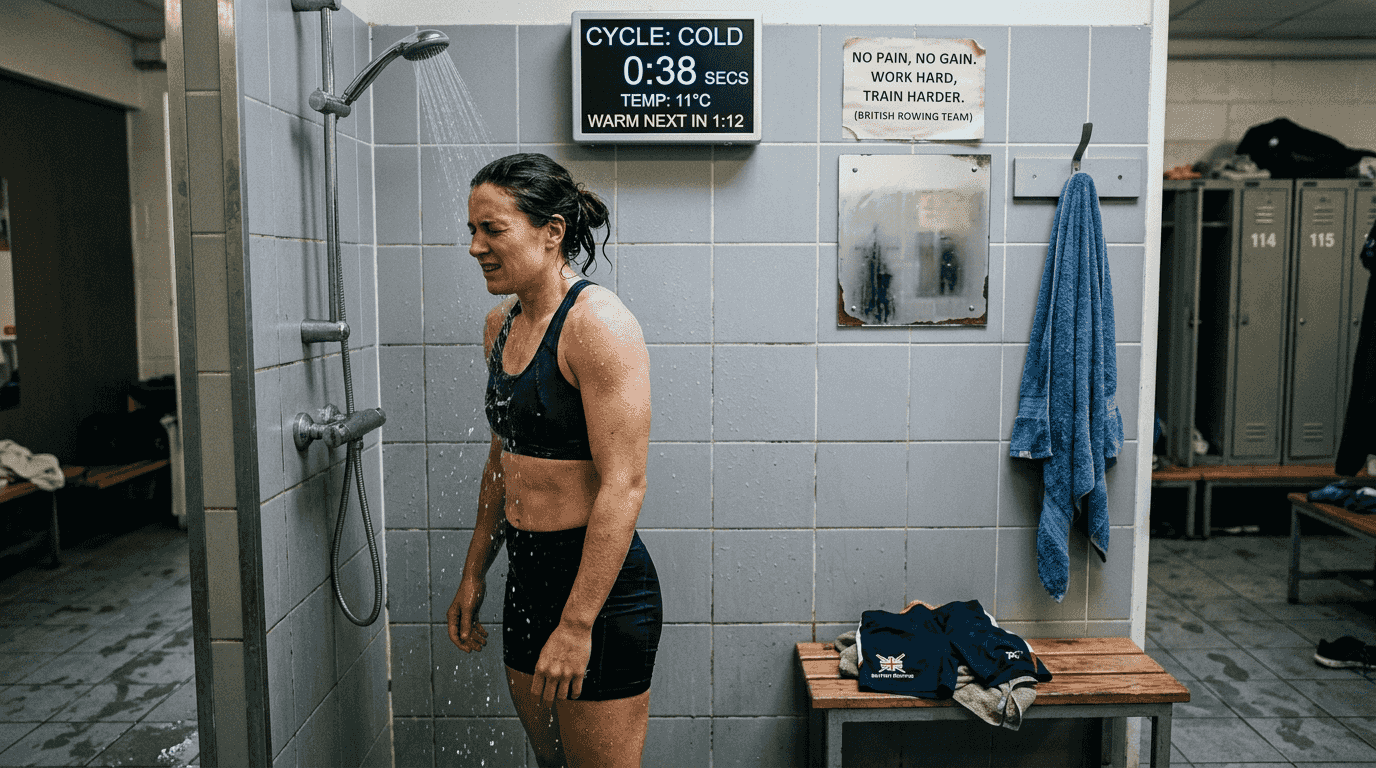
Start with contrast showers alternating 30 seconds cold and 90 seconds warm for three cycles. This stimulates circulation without adding training load. Follow with 15-20 minutes of Zone 1 cycling or walking to clear metabolic waste whilst preserving range of motion.
Nutrition timing matters. Within 30 minutes post-race, consume 20-30g of protein and 1-1.2g/kg bodyweight of carbohydrates. This window optimises muscle protein synthesis and glycogen resynthesis. Replace fluids at 150% of sweat loss and include 500-800 mg/L of sodium to restore electrolyte balance.
Sleep remains non-negotiable. Aim for 7-9 hours nightly in the week following competition. Growth hormone secretion peaks during deep sleep, driving tissue repair and adaptation. Here is a structured recovery timeline:
- Race day: Contrast shower, light movement, protein and carbohydrate meal, hydration with electrolytes
- Day 1: Continue hydration, 20-30 minute walk or swim, focus on anti-inflammatory foods like berries and leafy greens
- Day 2: Introduce light mobility work and foam rolling, maintain protein intake at 1.6-2.2g/kg
- Day 3: Resume low-intensity Zone 2 training if soreness subsides, monitor heart rate variability for readiness
- Day 4: Progress to structured training if recovery markers normalise, avoid high-intensity intervals
Pro Tip: Delayed onset muscle soreness peaks 24-48 hours post-race. Early low-intensity movement reduces DOMS severity and restores mobility faster than complete rest.
This approach supports the post-workout recovery process for athletic results by addressing multiple recovery pathways simultaneously.
Natural supplements to combat muscle fatigue and boost recovery
Targeted supplementation fills nutritional gaps and accelerates recovery beyond whole foods alone. Rhodiola rosea improves endurance, VO2max, and reduces markers of muscle damage and oxidative stress making it particularly valuable for Hyrox athletes.
Rhodiola rosea acts as an adaptogen, modulating cortisol response and enhancing mitochondrial efficiency. Studies show 200-400mg daily improves time to exhaustion by 8-12% and lowers creatine kinase by 15-20% post-exercise. This translates to faster recovery between training blocks and reduced systemic fatigue.
Plant-based proteins and polyphenols rival animal proteins and mitigate exercise oxidative stress whilst supporting inflammation management. Pea and rice protein blends provide complete amino acid profiles. The polyphenols in these sources scavenge free radicals generated during intense exercise without blunting training adaptations when dosed appropriately.
Cistanche deserticola supplementation improved muscle strength and reduced damage markers in resistance-trained individuals by supporting testosterone production and cellular energy metabolism. Dosing at 200-400mg daily shows benefits within 4-6 weeks.
The comparison table below highlights efficacy and practical application:
| Supplement | Primary benefit | Typical dose | Best timing |
|---|---|---|---|
| Rhodiola rosea | Endurance, oxidative stress reduction | 200-400mg/day | Morning or pre-workout |
| Plant protein blend | Muscle protein synthesis, polyphenols | 20-30g/serving | Post-workout, between meals |
| Cistanche deserticola | Strength, energy metabolism | 200-400mg/day | Morning with food |
| Electrolyte blend | Hydration, sodium replacement | 500-800mg sodium/L | During and post-exercise |
Pro Tip: Cycle antioxidant-rich supplements in recovery weeks rather than daily year-round. Chronic high-dose antioxidants may interfere with training-induced mitochondrial adaptations.
Explore plant-based pre-workouts and natural performance boosters for additional evidence-backed options tailored to high-intensity athletes.
Tailoring fatigue management and supplementation to your Hyrox needs
Dietary supplement efficacy varies based on type, sport-specific demands, dosing, and athlete characteristics making personalised approaches superior to generic protocols. Genetics, training age, and recovery capacity all influence response.
Hyrox athletes aged 30-50 face unique challenges. Hormonal changes reduce testosterone and growth hormone production compared to younger athletes. Recovery windows lengthen. Joint mobility demands increase. These factors require tailored intervention.
Individualised, evidence-based supplementation is superior to generic protocols because it accounts for these variables. A 35-year-old with three years of Hyrox training needs different support than a 48-year-old transitioning from CrossFit.
Avoid chronic high-dose antioxidants outside recovery periods. Reactive oxygen species trigger beneficial adaptations during training. Excessive antioxidant intake blunts these signals. Inadequate recovery between Hyrox workouts leads to chronic fatigue and injury risk making periodised supplementation critical.
Follow these steps to personalise your approach:
- Assess current fatigue patterns, recovery speed, and performance plateaus with training logs and heart rate variability
- Test one supplement at a time for 4-6 weeks to isolate effects and identify responders versus non-responders
- Track subjective recovery scores, sleep quality, and training readiness using validated questionnaires
- Adjust doses based on training phases: higher during competition blocks, lower during base building
- Prioritise mobility work, sleep optimisation, and stress management before adding more supplements
Consultation with sports nutritionists or exercise physiologists optimises plans and prevents common mistakes like excessive dosing or poor timing.
Learn more about plant-based supplements for UK athletes and hydrolysed protein for faster recovery to refine your personalised strategy.
Boost your Hyrox recovery with Interval’s starter bundle
After understanding how natural ingredients support fatigue management and recovery, implementing these strategies becomes straightforward with the right products. Interval’s Starter Bundle combines evidence-backed natural ingredients designed specifically for high-intensity athletes like Hyrox competitors.
The bundle includes plant-based pre-workout and electrolyte formulations supporting endurance, hydration, and muscle recovery without artificial additives. These products align with the principles discussed throughout this guide, offering practical support for athletes aged 30-50 focused on sustainable performance gains.
Explore Interval’s expert resources on plant-based pre-workouts to understand how natural formulations enhance your training. The Starter Bundle provides an accessible entry point for implementing personalised supplementation strategies that address your unique Hyrox demands.
Frequently asked questions
What is muscle fatigue?
Muscle fatigue represents a temporary decline in force production capacity caused by metabolic byproduct accumulation and energy substrate depletion. During Hyrox events, lactate and inorganic phosphate impair calcium handling in muscle fibres whilst glycogen stores drop significantly. Neuromuscular fatigue occurs when motor neuron signalling becomes less efficient under sustained load.
How does rhodiola rosea help muscle fatigue?
Rhodiola rosea enhances mitochondrial function and modulates cortisol response during exercise. It improves oxygen utilisation, raises VO2max by 3-5%, and reduces creatine kinase elevation by 15-20% post-exercise. This translates to better endurance during races and faster recovery between training sessions for Hyrox athletes.
What are the best recovery practices after a Hyrox race?
Replace electrolytes and fluids at 150% of sweat loss with 500-800mg sodium per litre within 30 minutes post-race. Consume 20-30g protein and 1-1.2g/kg carbohydrates to support muscle repair and glycogen resynthesis. Engage in light Zone 1 movement like walking or cycling for 15-20 minutes, use contrast showers, and prioritise 7-9 hours of quality sleep nightly.
Can plant-based supplements replace animal proteins for recovery?
Plant-based protein blends combining pea and rice provide complete amino acid profiles that stimulate muscle protein synthesis comparably to whey or casein. They offer additional benefits through polyphenol content, which mitigates exercise-induced oxidative stress without blunting training adaptations. Timing and total daily protein intake matter more than source for most athletes.
How do I know if I need personalised supplementation?
If you experience plateaus despite consistent training, prolonged soreness beyond 72 hours, declining performance metrics, or disrupted sleep patterns, personalised supplementation may help. Tracking heart rate variability, subjective recovery scores, and training readiness over 2-4 weeks provides baseline data. Consultation with sports nutrition professionals identifies specific gaps and optimises intervention strategies for your unique physiology and Hyrox demands.
Recommended
- Muscle Glycogen: Powering Female Hyrox Performance – Interval
- Performance Nutrition for Hyrox – Unlocking Endurance & Recovery – Interval
- Step by Step Workout Prep for Hyrox Athletes UK – Interval
- What Is Hyrox and Its Impact on Sport Performance – Interval
- What Is Muscle Recovery? A Complete Overview – MyGymSupplements