


What is hydrolyzed protein for faster recovery in 2026
Hydrolyzed protein absorbs into your muscles in just 10-30 minutes, while regular protein can take two hours or more. Many female athletes confuse hydrolyzed protein with standard isolates or even collagen, missing out on its unique recovery advantages. This guide cuts through the confusion, explaining the science behind hydrolyzed protein, how it accelerates muscle repair after high-intensity training, and practical ways to incorporate it into your nutrition routine for optimal performance.
Table of Contents
- Understanding Hydrolyzed Protein: Definition And Molecular Breakdown
- How Hydrolyzed Protein Enhances Performance And Recovery For High-Intensity Athletes
- Common Misconceptions About Hydrolyzed Protein
- Different Types Of Hydrolyzed Proteins: Animal-Based And Plant-Based Options
- Comparing Hydrolyzed Protein With Other Protein Forms
- Practical Application: Timing, Dosage, And Incorporation Strategies For Female Athletes
- Explore Interval’s Natural Supplements For Female Athletes
- Frequently Asked Questions
Key takeaways
| Point | Details |
|---|---|
| Hydrolyzed protein is pre-digested | Enzymes break proteins into smaller peptides, enabling absorption within 10-30 minutes post-consumption. |
| Timing matters for recovery | Consuming within 30 minutes after exercise maximises muscle protein synthesis and reduces soreness. |
| Lower allergenic potential | Hydrolysis reduces allergenic components by 70-90%, making it gentler on sensitive digestive systems. |
| Multiple source options available | Whey, pea, soy, and beef variants exist, each offering unique nutritional profiles for different dietary needs. |
| Distinct from isolate and concentrate | Hydrolyzed protein differs significantly in absorption speed, cost, and molecular structure compared to other forms. |
Understanding hydrolyzed protein: definition and molecular breakdown
Hydrolyzed proteins are proteins broken down into smaller peptides and amino acids, making digestion and absorption significantly faster compared to intact proteins. This breakdown occurs through two primary methods: enzymatic hydrolysis or chemical hydrolysis. The result is a protein powder that your body can utilise almost immediately after consumption.
Enzymatic hydrolysis uses specific enzymes to cleave peptide bonds at targeted locations, preserving nutritional integrity whilst creating bioactive peptides. Chemical hydrolysis employs acids or bases to break bonds more aggressively, though this method can sometimes damage sensitive amino acids. Most commercial supplements use enzymatic processes for superior quality and nutritional preservation.
The smaller molecular structure delivers several practical benefits. Hydrolysis reduces potential allergenicity in susceptible individuals by breaking down allergenic epitopes that trigger immune responses. Your gastrointestinal system processes these smaller peptides with minimal effort, reducing bloating and discomfort that sometimes accompanies standard protein powders.
For female athletes balancing intense training with recovery demands, this rapid absorption translates to faster amino acid delivery to damaged muscle tissue. Understanding why protein matters for female hyrox athletes becomes even more critical when selecting the optimal form for your specific performance goals.
Pro Tip: Look for hydrolyzed protein products listing the degree of hydrolysis on the label, typically expressed as a percentage. Higher percentages indicate more extensive breakdown and faster absorption potential.
How hydrolyzed protein enhances performance and recovery for high-intensity athletes
When you consume hydrolyzed protein after intense training, it creates a rapid spike in plasma amino acid levels within 20-40 minutes. This quick elevation provides the raw materials your muscles need precisely when they’re most receptive to repair and growth. Hydrolyzed protein intake post-exercise enhances muscle protein synthesis rates compared to non-hydrolyzed proteins, accelerating recovery between training sessions.
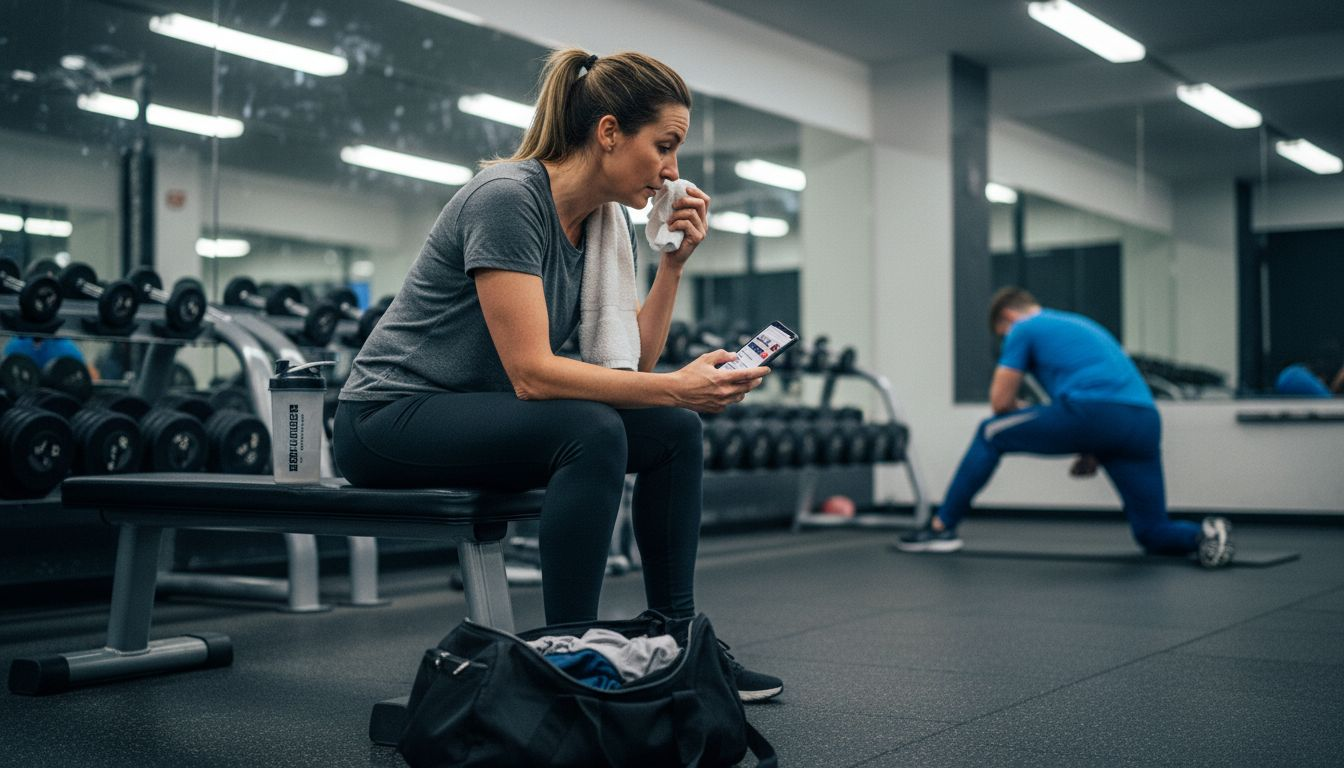
Research shows hydrolyzed protein can reduce delayed onset muscle soreness by up to 20% following high-intensity workouts. This reduction means you can maintain training frequency without compromising quality or risking overtraining symptoms. The faster gastrointestinal transit supports quicker nutrient availability, ensuring amino acids reach your bloodstream when your muscles are primed for uptake.
For female athletes aged 30-50, who may experience longer recovery times due to hormonal fluctuations, this speed advantage becomes particularly valuable. Your body’s natural recovery processes benefit from immediate amino acid availability, supporting both structural muscle repair and metabolic recovery processes.
Optimal post-workout nutrition incorporating protein for recovery should account for timing, quantity, and absorption speed. Hydrolyzed protein excels in all three categories when used strategically. Understanding the complete post-workout recovery process for athletic results helps you appreciate why absorption speed matters as much as protein quality.
Pro Tip: Prioritise hydrolyzed protein intake within 30 minutes following high-intensity sessions to maximise recovery benefits. This timing window capitalises on your muscles’ heightened sensitivity to nutrient uptake.
Common misconceptions about hydrolyzed protein
Several myths surround hydrolyzed protein supplements, creating unnecessary hesitation among female athletes seeking optimal recovery solutions. Addressing these misconceptions directly helps you make informed choices based on science rather than misunderstanding.
-
Hydrolyzed protein causes allergies and digestive issues. Hydrolyzed proteins reduce allergenic potential by breaking down allergenic epitopes, improving digestibility for sensitive individuals. The hydrolysis process actually decreases allergenic peptides by 70-90%, making it safer for those with mild protein sensitivities.
-
Hydrolyzed protein equals hydrolyzed collagen or cosmetic peptides. Hydrolyzed protein supplements provide complete amino acid profiles suitable for muscle protein synthesis, whilst collagen hydrolysates offer different amino acid compositions focused on connective tissue support. Cosmetic hydrolysates serve entirely different purposes and aren’t designed for nutritional supplementation.
-
Hydrolyzed protein is bulkier and harder to digest than regular powders. The molecular breakdown makes hydrolyzed protein easier to digest, not harder. Smaller peptides require less enzymatic action in your gut, reducing bloating and accelerating absorption compared to intact proteins.
-
All hydrolyzed proteins are identical regardless of source. Different protein sources produce distinct peptide profiles after hydrolysis. Whey, pea, soy, and beef all yield unique amino acid ratios and bioactive peptides with varying effects on recovery and performance.
Understanding proper sports supplementation for natural hyrox women includes recognising these distinctions. Reading ingredient labels carefully helps you identify genuine hydrolyzed protein products and avoid misleading marketing claims.
Pro Tip: Check ingredient labels for terms like “enzymatically hydrolyzed” or “degree of hydrolysis” to differentiate authentic hydrolyzed protein from regular protein powders marketed with confusing terminology.
Different types of hydrolyzed proteins: animal-based and plant-based options
Hydrolyzed protein supplements come from various sources, each offering distinct nutritional profiles suited to different dietary preferences and performance goals. Understanding these differences helps female athletes select the optimal protein source for their individual needs.
| Protein Type | Protein Content | Fat/Carb Levels | Vegan Suitable | Key Characteristics |
|---|---|---|---|---|
| Hydrolyzed Whey | 70-90% | Very Low | No | Fastest absorption, complete amino acid profile, rich in BCAAs |
| Hydrolyzed Soy | 70-85% | Low | Yes | Complete plant protein, contains isoflavones, allergen for some |
| Hydrolyzed Pea | 75-85% | Low | Yes | Hypoallergenic, rich in iron, lower leucine than whey |
| Hydrolyzed Beef | 85-95% | Minimal | No | Lactose-free animal option, complete amino acids, unique peptide profile |
Hydrolyzed whey protein typically contains 70-90% protein concentration with minimal fats and carbohydrates, making it suitable for athletes managing macronutrient intake during training cycles. Its complete amino acid profile and high leucine content support muscle protein synthesis effectively.
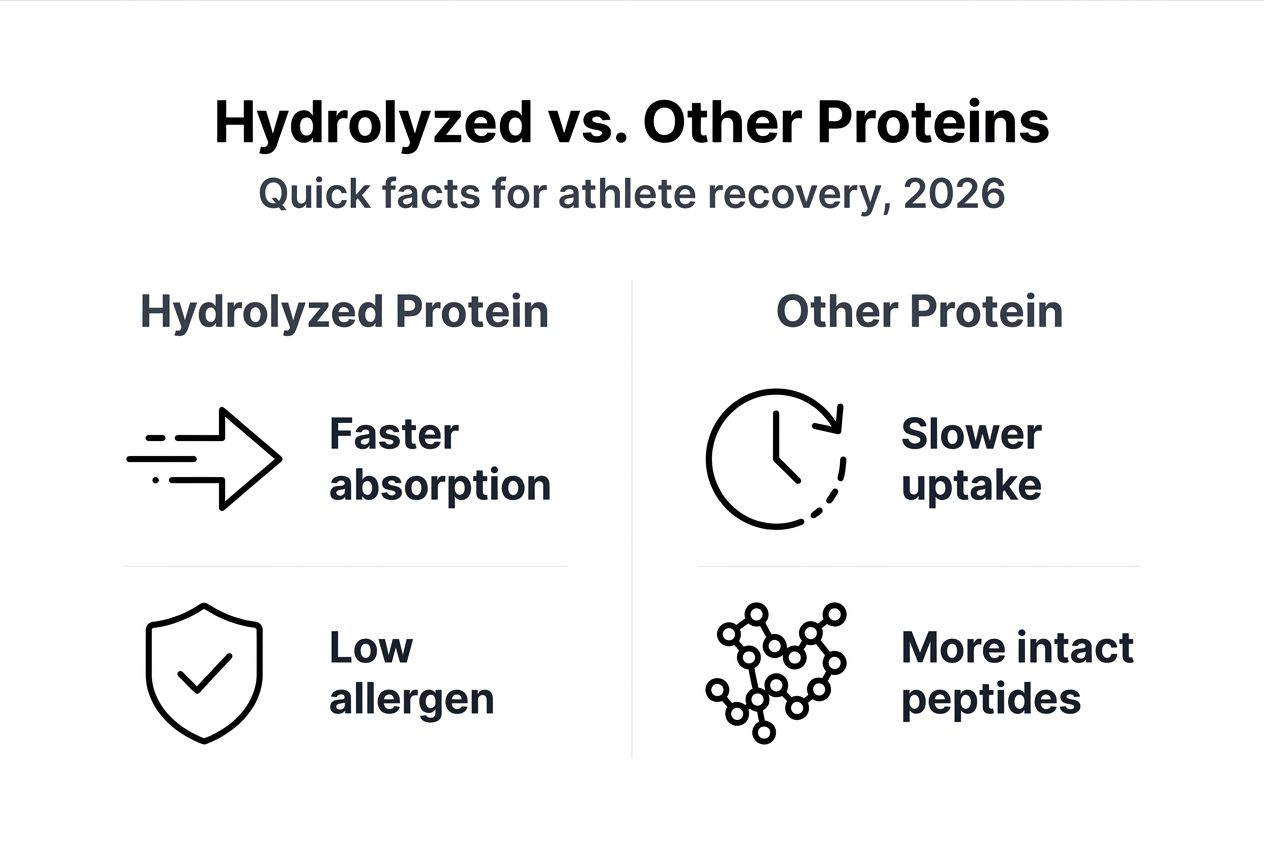
Hydrolyzed pea and soy proteins offer comparable digestibility and amino acid availability to animal-based options, providing excellent alternatives for vegan athletes. Pea protein stands out as hypoallergenic and rich in iron, addressing common deficiency concerns in female athletes.
Specific athlete benefits include:
- Lactose-free options for those with dairy sensitivities: beef or plant-based proteins
- Complete essential amino acid profiles: whey, soy, and beef variants
- Allergen considerations: pea protein offers the lowest allergenic potential
- Iron supplementation: hydrolyzed pea protein naturally contains higher iron levels
- Environmental preferences: plant-based options for sustainability-focused athletes
Understanding why protein matters for female hyrox performance extends to selecting the protein source that aligns with your dietary restrictions, ethical values, and performance objectives. Each type delivers the core benefit of rapid absorption whilst offering unique secondary advantages.
Comparing hydrolyzed protein with other protein forms
Choosing between hydrolyzed protein, whey isolate, and concentrate requires understanding their distinct characteristics and how each supports different training goals. This comparison helps female athletes make strategic decisions based on performance priorities and budget considerations.
| Characteristic | Hydrolyzed Protein | Whey Isolate | Whey Concentrate |
|---|---|---|---|
| Absorption Time | 10-30 minutes | 30-60 minutes | 60-120 minutes |
| Protein Content | 70-90% | 90-95% | 70-80% |
| Relative Cost | Highest | Medium | Lowest |
| Allergenic Potential | Lowest | Low | Moderate |
| Best Use Case | Immediate post-workout recovery | Daily protein supplementation | General nutrition support |
Hydrolyzed protein delivers the fastest absorption, making it ideal for the immediate post-workout window when your muscles are primed for nutrient uptake. Whey isolate provides excellent protein purity with slower but still effective absorption for daily supplementation needs. Concentrate offers the most economical option for athletes needing to boost overall daily protein intake without specific timing requirements.
The price difference reflects processing complexity. Hydrolyzed protein undergoes additional enzymatic treatment beyond standard isolation, increasing production costs by 30-50% compared to concentrate. This premium investment pays dividends for athletes prioritising rapid recovery between frequent high-intensity sessions.
Ideal use cases by protein type:
- Hydrolyzed protein: Immediately after intense training sessions requiring quick recovery
- Whey isolate: Morning nutrition, between-meal protein boosts, moderate-intensity workout recovery
- Whey concentrate: Budget-friendly daily protein supplementation, general nutrition enhancement
Optimising post-workout nutrition with protein for recovery might involve using hydrolyzed protein strategically for key training sessions whilst relying on isolate or concentrate for other daily protein needs. This hybrid approach balances performance benefits with cost management.
Practical application: timing, dosage, and incorporation strategies for female athletes
Maximising hydrolyzed protein benefits requires strategic timing, appropriate dosing, and thoughtful integration with your overall nutrition programme. These evidence-based guidelines help female athletes extract maximum value from hydrolyzed protein supplementation.
-
Consume within the 30-minute post-workout window. The timing of hydrolyzed protein intake is crucial; consuming within 30 minutes post-exercise optimises muscle protein synthesis compared to later intake due to faster peptide absorption. This narrow window captures peak muscle receptivity to amino acids.
-
Dose appropriately for your body weight and training intensity. Research supports 20-40g of hydrolyzed protein per post-workout serving for optimal recovery. Larger athletes or those completing particularly intense sessions benefit from the upper end of this range.
-
Pair with easily digestible carbohydrates for enhanced recovery. Combining hydrolyzed protein with 30-50g of simple carbohydrates replenishes glycogen stores whilst supporting insulin-mediated amino acid uptake into muscle cells.
-
Incorporate into daily nutrition without replacing whole food meals. Hydrolyzed protein supplements complement balanced nutrition rather than replacing it. Use strategically for convenience and timing advantages whilst maintaining diverse whole food protein sources.
-
Consider combining with natural supplements for synergistic benefits. Antioxidant-rich supplements like tart cherry or turmeric can complement hydrolyzed protein by addressing inflammation and oxidative stress from intense training.
Optimal supplement timing for hyrox performance extends beyond protein to include pre-workout nutrition and electrolyte management. Understanding broader nutrition timing principles for hyrox performance creates a comprehensive fuelling strategy supporting all training phases.
Pro Tip: Consistency in post-workout hydrolyzed protein intake delivers superior long-term results compared to sporadic use. Establish a routine that makes consumption within the optimal window automatic rather than requiring conscious decision-making after exhausting training sessions.
Explore Interval’s natural supplements for female athletes
Now that you understand how hydrolyzed protein accelerates recovery, consider how Interval’s natural supplement range complements your protein nutrition strategy. Our products support female athletes through every phase of high-intensity training, from pre-workout energy to post-session recovery.
Interval’s no side-effect pre-workout supplement delivers clean energy using natural ingredients, avoiding the jitters and crashes common with synthetic alternatives. Combined with strategic hydrolyzed protein timing post-workout, you create a complete performance nutrition system addressing both energy and recovery needs.
Our starter bundle offers a convenient introduction to supplementation, pairing pre-workout support with electrolyte replenishment for comprehensive training support. These natural formulations work synergistically with your protein intake, supporting the holistic approach to performance nutrition that serious female athletes require. Explore how Interval’s products fit into your personalised nutrition strategy for sustained high-intensity performance.
Frequently asked questions
What is hydrolyzed protein and how is it different from regular protein?
Hydrolyzed protein consists of protein molecules enzymatically broken down into smaller peptides and amino acids before consumption. This pre-digestion allows absorption within 10-30 minutes, compared to 60-120 minutes for intact proteins. The molecular size difference means your digestive system requires minimal enzymatic action, accelerating amino acid delivery to muscles when they need it most.
Can hydrolyzed protein cause allergies or digestive problems?
Hydrolysis reduces allergenic peptides by up to 90%, lowering allergy risks significantly compared to intact proteins. The process breaks down allergenic epitopes that trigger immune responses, making hydrolyzed protein safer for individuals with mild sensitivities. Most athletes find it easier to digest than standard protein powders, experiencing less bloating and gastrointestinal discomfort.
Which types of hydrolyzed protein are best for vegan female athletes?
Hydrolyzed pea and soy proteins offer comparable benefits to animal-based options, supporting efficient absorption and muscle recovery in plant-based diets. Pea protein provides additional advantages as a hypoallergenic option rich in iron, addressing common deficiency concerns in female athletes. Both deliver complete or near-complete amino acid profiles suitable for supporting muscle protein synthesis.
When should I consume hydrolyzed protein for optimal results?
Consume hydrolyzed protein within 30 minutes after exercise to maximise muscle protein synthesis and recovery benefits. This timing capitalises on your muscles’ heightened sensitivity to amino acids following training-induced damage. Delaying intake beyond this window reduces the speed advantage that makes hydrolyzed protein valuable, as your muscles’ receptivity to nutrient uptake gradually declines.