


What Is Isotonic Drink and Why Athletes Rely On It
Struggling to maintain energy and hydration during your toughest Hyrox sessions can feel like an ongoing battle. For many British competitors, finding a drink that replenishes lost minerals and keeps muscles firing throughout high-intensity efforts is key. Isotonic drinks provide balanced electrolytes and moderate carbohydrates, matching human blood plasma for rapid absorption and effective hydration. Discover how these scientifically formulated beverages support performance, bust myths about sports nutrition, and clarify what really makes an isotonic drink different.
Table of Contents
- Isotonic Drink Defined And Common Myths
- Types And How Isotonic Drinks Work
- Key Ingredients And Performance Benefits
- When To Use Isotonic Drinks Safely
- Comparing Isotonic To Alternative Sports Drinks
Key Takeaways
| Point | Details |
|---|---|
| Isotonic Drink Definition | Isotonic drinks are designed to match the body’s fluid balance, aiding in hydration and performance during athletic activities. |
| Hydration Strategies | Isotonic, hypotonic, and hypertonic drinks serve different needs, with isotonic drinks ideal for endurance activities over 60 minutes. |
| Importance of Electrolytes | Electrolyte replacement is crucial during extended exercise; water alone is insufficient for optimal hydration. |
| Personalisation is Key | Individual sweat rates and metabolic responses affect isotonic drink requirements; it’s essential to tailor intake based on personal needs. |
Isotonic Drink Defined and Common Myths
An isotonic drink represents a precisely engineered beverage designed to support athletic performance by matching the body’s natural fluid concentration. These specialised drinks are meticulously crafted to replace fluids and electrolytes lost during intense physical activity, such as Hyrox competitions.
At its core, an isotonic drink works by mimicking human body fluid balance, enabling rapid hydration and nutrient delivery. The key characteristics that distinguish isotonic drinks include:
- Balanced electrolyte composition matching human blood plasma
- Moderate carbohydrate content for sustained energy
- Quick absorption rate compared to plain water
- Specific mineral concentrations supporting muscle function
Contrary to popular belief, isotonic drinks are not just sugary beverages designed for casual consumption. They represent a scientifically formulated nutritional strategy for athletes seeking optimal hydration and performance enhancement.
Many athletes mistakenly assume all sports drinks are identical, but isotonic beverages are uniquely engineered. Unlike standard energy drinks, these specialised liquids provide a precise balance of sodium, potassium, and magnesium - critical minerals that support muscle performance and prevent cramping during high-intensity workouts.
Electrolyte Myths Debunked:
- Myth: More sugar means better performance
- Reality: Balanced mineral content matters more than sugar quantity
- Myth: Water alone is sufficient for hydration
- Reality: Electrolyte replacement is crucial during extended exercise
Key Differences in Hydration Strategies:
- Hypertonic drinks (higher mineral concentration)
- Hypotonic drinks (lower mineral concentration)
- Isotonic drinks (perfectly balanced concentration)
Proper hydration isn’t just about liquid intake - it’s about delivering the right nutrients at the right time.
Pro tip: For Hyrox athletes, timing your isotonic drink consumption can be as crucial as the drink’s composition itself.
Types and How Isotonic Drinks Work
Isotonic drinks represent a sophisticated hydration strategy with precise scientific formulation. Concentration levels around 5-8% carbohydrates match human blood osmolarity, enabling efficient nutrient and fluid delivery during athletic performance.
The three primary types of sports drinks differ fundamentally in their electrolyte and carbohydrate composition:
- Isotonic Drinks: Balanced concentration matching blood plasma
- Hypotonic Drinks: Lower mineral concentration for rapid hydration
- Hypertonic Drinks: Higher carbohydrate content for energy replenishment
Understanding how these drinks function requires examining their unique physiological interactions. Isotonic beverages work by maintaining an optimal balance between fluid absorption and energy provision, making them particularly effective for Hyrox athletes requiring sustained performance during high-intensity competitions.
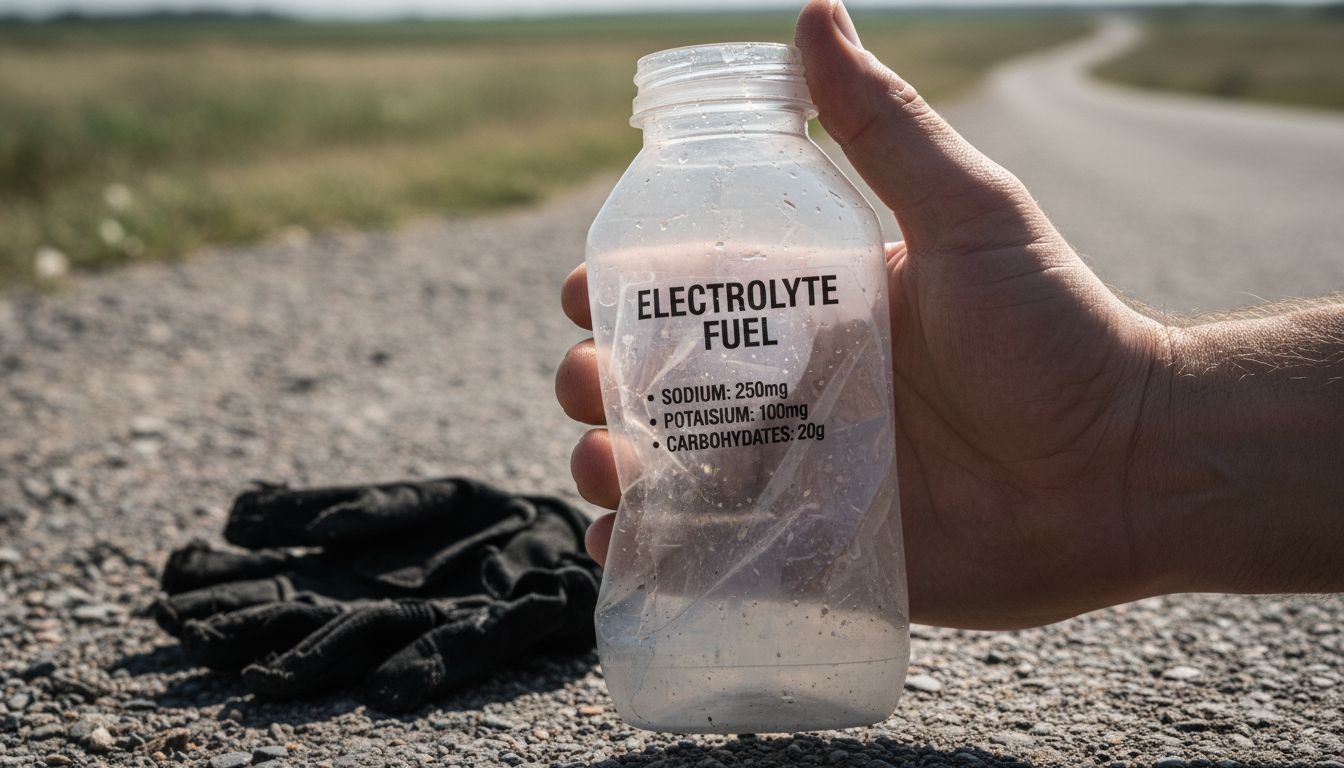
Each drink type serves a specific purpose in athletic nutrition. Hypotonic drinks excel in hot conditions, providing quick hydration with minimal caloric intake. Hypertonic drinks become crucial during ultra-endurance events, offering concentrated energy replacement when consumed alongside water to prevent dehydration.
Hydration Mechanism Breakdown:
- Rapid fluid absorption through matched osmotic pressure
- Controlled electrolyte replacement
- Moderate energy provision
- Minimal gastrointestinal stress
Selecting the right drink depends entirely on your specific athletic demands and environmental conditions.
Pro tip: Experiment with different isotonic drink formulations during training to identify which composition works best for your individual metabolic requirements.
Key Ingredients and Performance Benefits
Isotonic drinks are meticulously engineered nutritional solutions designed to support athletic performance. Key ingredients work synergistically to enhance hydration, energy delivery, and muscular endurance during high-intensity activities like Hyrox competitions.
The primary components of an effective isotonic drink include:
- Water: Primary hydration medium
- Carbohydrates: 6-8% concentration for energy
- Electrolytes: Sodium, potassium, magnesium for mineral replacement
- Nitrates: Optional performance-enhancing compounds
Understanding the performance benefits requires examining how these ingredients interact physiologically. Carbohydrates provide rapid energy, while electrolytes support crucial cellular functions, preventing cramping and maintaining optimal muscle performance during prolonged exertion.
Below is a reference table outlining main isotonic drink ingredients and their performance roles:
| Ingredient | Performance Role | Additional Effect |
|---|---|---|
| Water | Hydration and fluid delivery | Prevents dehydration |
| Carbohydrate | Rapid energy supply | Delays fatigue |
| Sodium | Maintains fluid balance | Supports nerve function |
| Potassium | Reduces cramp risk | Assists muscle contraction |
| Magnesium | Optimises muscle performance | Minimises tiredness |
| Nitrates | Enhances oxygen use | May improve endurance |
Multiple scientific studies demonstrate that isotonic drinks delay fatigue and support cardiovascular performance during extended physical activities. The precise balance of nutrients ensures rapid absorption, helping athletes maintain consistent energy levels and reduce performance decline associated with dehydration.
Performance Enhancement Mechanisms:
- Rapid fluid absorption
- Sustained energy provision
- Electrolyte balance maintenance
- Muscle oxygenation support
- Reduced fatigue risk
Optimal isotonic drink composition is not one-size-fits-all but requires personalised nutritional strategy.
Pro tip: Conduct controlled trials during training to identify the most effective isotonic drink formulation for your individual metabolic requirements.
When to Use Isotonic Drinks Safely
Isotonic drinks are not a universal solution for hydration, but a targeted nutritional strategy for specific athletic scenarios. Optimal use depends on exercise duration and intensity, with clear guidelines for safe and effective consumption.
Athlete-specific scenarios where isotonic drinks are recommended include:
- Endurance activities lasting over 60 minutes
- High-intensity training in hot or humid environments
- Prolonged Hyrox competitions requiring sustained energy
- Workouts involving significant electrolyte loss through sweating
- Recovery periods after intense physical exertion
Understanding when NOT to consume isotonic drinks is equally crucial. These beverages are unnecessary and potentially counterproductive during low-intensity exercise, short training sessions, or sedentary activities. Excessive consumption can lead to unnecessary sugar intake and potential metabolic disruptions.
The scientific approach to isotonic drink consumption involves careful consideration of individual physiological needs. Athletes must monitor their body’s response, avoiding overconsumption while ensuring adequate hydration and electrolyte replacement during demanding physical activities.
Safe Consumption Guidelines:
- Consume during exercise exceeding 60 minutes
- Limit intake to training and competition periods
- Choose drinks with balanced electrolyte composition
- Avoid using as regular soft drink replacement
- Personalise based on individual sweat rate and intensity
Isotonic drinks are a precision tool, not a one-size-fits-all hydration solution.
Pro tip: Conduct a personalised sweat rate test to determine your exact isotonic drink requirements during different training intensities.
Comparing Isotonic to Alternative Sports Drinks
Athletes face a complex landscape of hydration strategies, with multiple drink types offering unique physiological benefits. Sports drink comparisons reveal nuanced performance differences across hydration categories that significantly impact athletic performance.
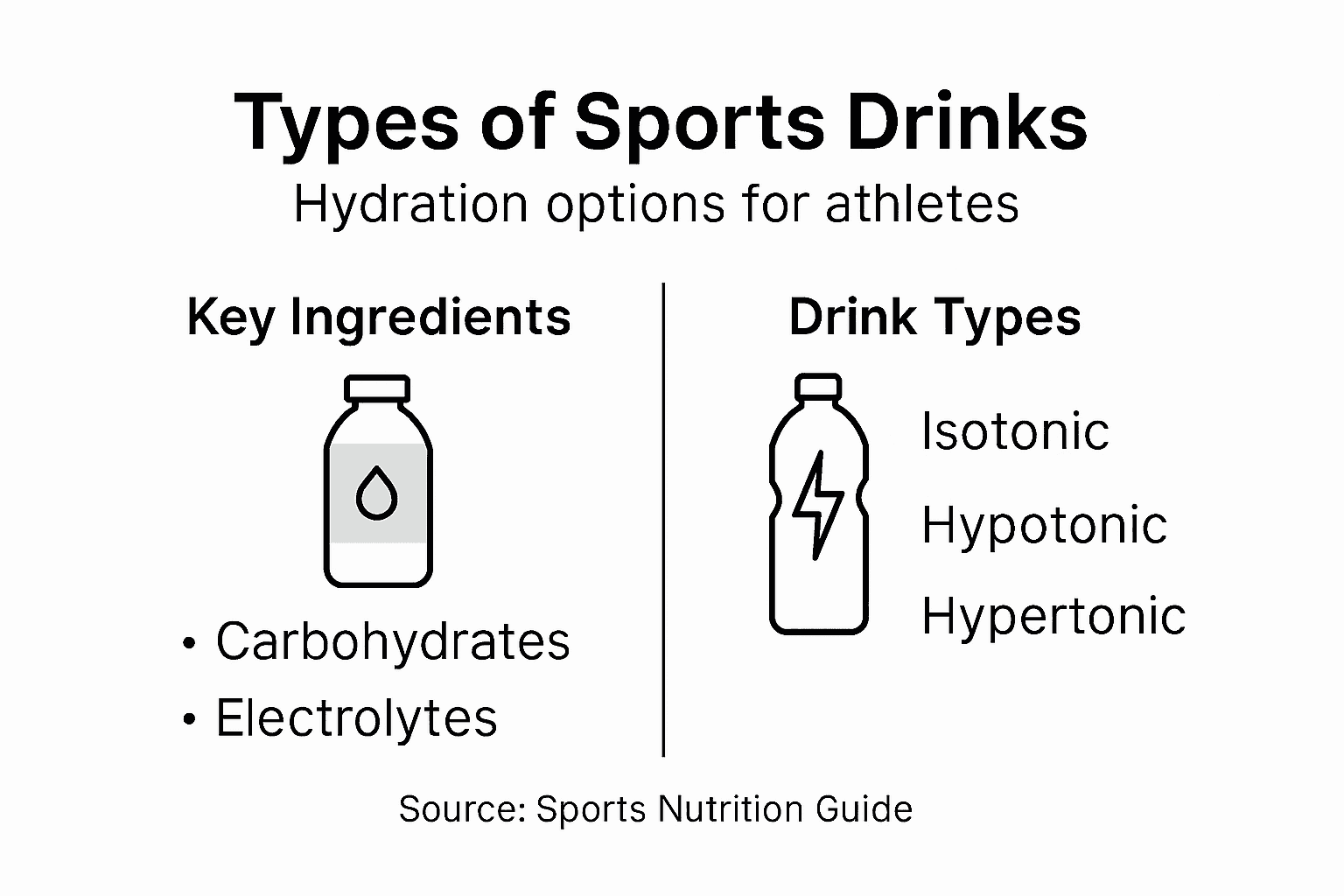
The three primary sports drink categories differ fundamentally in their composition and physiological impact:
- Isotonic Drinks: Balanced electrolyte concentration matching blood plasma
- Hypotonic Drinks: Lower mineral content for rapid hydration
- Hypertonic Drinks: Higher carbohydrate concentration for energy replenishment
Hypotonic drinks provide the fastest hydration mechanism, absorbing more quickly through the digestive system with minimal electrolyte concentration. These beverages excel during short, intense training sessions or in hot weather conditions where rapid fluid replacement is critical. Isotonic drinks, by contrast, offer a more balanced approach, providing both hydration and moderate energy delivery during endurance activities lasting over 60 minutes.
Hypertonic drinks occupy a unique position in athletic nutrition, functioning more effectively as post-exercise recovery tools rather than during active performance. Their higher carbohydrate concentration makes them ideal for replenishing glycogen stores after prolonged training, but their slower absorption rate can potentially hinder hydration during active exercise.
To clarify the distinctions between sports drink types, the table below summarises their ideal use and physiological focus:
| Drink Type | Best for Situation | Primary Benefit | Key Consideration |
|---|---|---|---|
| Isotonic | Endurance and interval work | Balanced energy and fluids | Suitable for sessions over 60 minutes |
| Hypotonic | Short, intense or hot workouts | Fastest rehydration | Minimal energy provision |
| Hypertonic | Post-exercise recovery | Glycogen replenishment | Slower absorption; pair with water |
Comparative Performance Characteristics:
- Hydration Speed: Hypotonic > Isotonic > Hypertonic
- Energy Provision: Hypertonic > Isotonic > Hypotonic
- Digestive Stress: Hypotonic < Isotonic < Hypertonic
- Ideal Usage Scenario: Varies by exercise intensity and duration
Selecting the optimal sports drink requires understanding your specific physiological needs and exercise parameters.
Pro tip: Experiment with different drink types during varied training intensities to determine your individual metabolic response and optimal hydration strategy.
Elevate Your Hydration and Performance with Interval’s Natural Solutions
For athletes striving to master endurance and high-intensity sports, maintaining balanced hydration and electrolyte levels is crucial. This article highlights the importance of isotonic drinks that deliver a precise blend of carbohydrates and minerals to sustain energy and prevent cramping. If you are tackling prolonged workouts or Hyrox competitions, you understand the challenge of replacing essential nutrients at the right time to avoid fatigue and optimise muscle function.
Discover how Interval’s Pre-workout – Interval range complements your hydration strategy with natural ingredients designed for rapid absorption and muscle support. Combine this with our Staples – Interval to build a personalised nutrition plan that matches your training demands. Don’t settle for guesswork in your electrolyte intake. Act now by visiting https://useinterval.co.uk and equip yourself with scientifically formulated supplements to enhance endurance, delay fatigue, and maintain peak performance in every session.
Frequently Asked Questions
What is an isotonic drink?
An isotonic drink is a specialised beverage designed to match the fluid concentration of the human body, helping to replace fluids and electrolytes lost during intense physical activity, thereby supporting optimal hydration and performance.
How do isotonic drinks benefit athletes?
Isotonic drinks provide rapid hydration, sustained energy through moderate carbohydrate content, and essential electrolytes like sodium and potassium, which support muscle function and performance, particularly during high-intensity exercises like Hyrox competitions.
When should athletes consume isotonic drinks?
Athletes should consume isotonic drinks during activities lasting over 60 minutes, in high-intensity training environments, or whenever significant electrolyte loss occurs due to sweating to maintain hydration and energy levels.
What are the differences between isotonic, hypotonic, and hypertonic drinks?
Isotonic drinks have a balanced electrolyte concentration for endurance activities, hypotonic drinks offer quick hydration with lower mineral content, and hypertonic drinks contain higher carbohydrate concentrations suitable for energy replenishment after exercise.