


Why take minerals pre-workout? Maximise performance
TL;DR:
- Electrolytes like sodium, potassium, magnesium, and calcium are essential for female athletic performance and recovery. Their needs vary throughout the menstrual cycle, affecting hydration, muscle function, and endurance. Proper timing and individualized supplementation of minerals can significantly improve energy, reduce cramps, and support long-term progress.
Most female athletes obsess over training loads, protein targets, and sleep quality, yet quietly overlook the minerals that make all three work properly. Electrolytes like sodium, potassium, magnesium, and calcium are rapidly depleted during high-intensity exercise, and when they drop, so does everything else: power, focus, and recovery. For women aged 30 to 50, this matters even more because hormonal shifts alter how your body retains and uses these minerals across the month. This article cuts through the confusion, explains the science in plain terms, and gives you a clear framework for using minerals to genuinely lift your performance.
Table of Contents
- The role of minerals in female athletic performance
- How minerals boost endurance and workout results
- Why female athletes need minerals: hormones, hydration and cramping
- Timing, dosage, and common mistakes when taking minerals pre-workout
- A fresh perspective: the overlooked secret behind sustainable athletic progress
- Upgrade your performance with targeted pre-workout minerals
- Frequently asked questions
Key Takeaways
| Point | Details |
|---|---|
| Minerals fuel performance | Key minerals like sodium and magnesium delay fatigue, sustain power, and improve hydration for female athletes. |
| Woman-specific needs | Mineral requirements increase with hormonal changes, making targeted intake essential for women aged 30-50. |
| Best timing matters | Take minerals 30-60 minutes before high-intensity or long workouts for maximum impact. |
| Balance is critical | A blend of electrolytes beats focusing on a single mineral for both safety and results. |
The role of minerals in female athletic performance
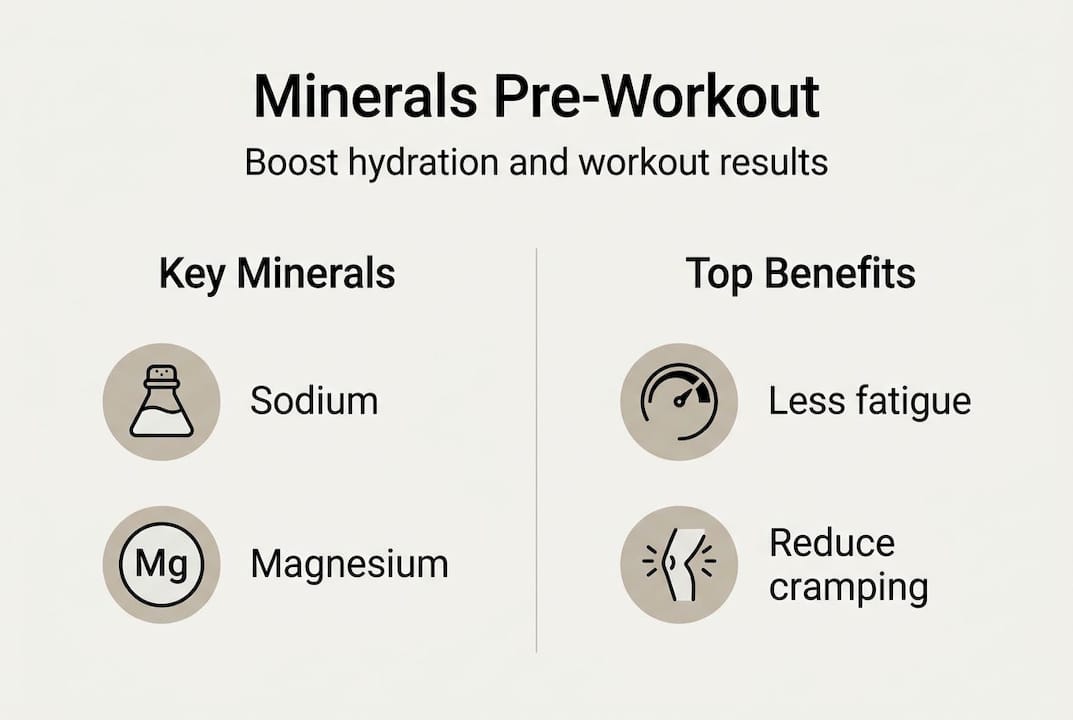
Electrolytes are electrically charged minerals dissolved in your body fluids. They are not a marketing invention. Sodium, potassium, magnesium, and calcium govern fluid balance, muscle contraction, and nerve signalling, which means every sprint, lift, and interval you complete depends on them being present in the right amounts.
For women in their 30s and 40s, the picture is more nuanced than it is for male athletes. Oestrogen and progesterone fluctuate across the menstrual cycle, directly influencing how your kidneys handle sodium and how your cells absorb magnesium. This is not a minor detail. It changes your hydration status, your perceived effort, and your recovery speed from week to week.
The core benefits of adequate mineral intake for high-intensity female athletes include:
- Hydration regulation: sodium and potassium pull water into the right compartments, keeping plasma volume stable during hard efforts
- Muscle contraction: calcium triggers muscle fibres to fire, while magnesium controls the relaxation phase, preventing the lock-up that causes cramps
- Nerve signalling: potassium and sodium create the electrical gradients that carry signals from brain to muscle in milliseconds
- Energy metabolism: magnesium activates over 300 enzymatic reactions, including those that produce ATP, your primary fuel currency
- Bone integrity: calcium and magnesium together support bone density, which becomes increasingly important for active women over 35
Understanding the key minerals for female athletes and what each one does is the starting point for smarter supplementation.
| Mineral | Primary athletic role | Female-specific benefit |
|---|---|---|
| Sodium | Fluid retention, nerve function | Prevents hyponatraemia during long efforts |
| Potassium | Muscle contraction, heart rhythm | Reduces cramp risk in the luteal phase |
| Magnesium | ATP production, muscle relaxation | Eases PMS symptoms and improves sleep |
| Calcium | Muscle fibre activation | Supports bone density post-35 |
Mineral needs are 10 to 20% greater in athletes compared to sedentary individuals, and depletion leads to cramps, fatigue, and measurably impaired performance.
Knowing what electrolytes do at a cellular level helps you stop treating them as an afterthought and start treating them as a core training variable.
How minerals boost endurance and workout results
Understanding which minerals are essential leads naturally into why they matter. The mechanisms are specific and the evidence is solid, so let’s break it down properly.
Magnesium delays the onset of fatigue by keeping ATP synthesis running efficiently under metabolic stress. Sodium maintains plasma volume, which keeps your heart rate from climbing unnecessarily during sustained efforts. Together, pre-workout electrolytes sustain power output and delay the point at which your performance drops off a cliff.
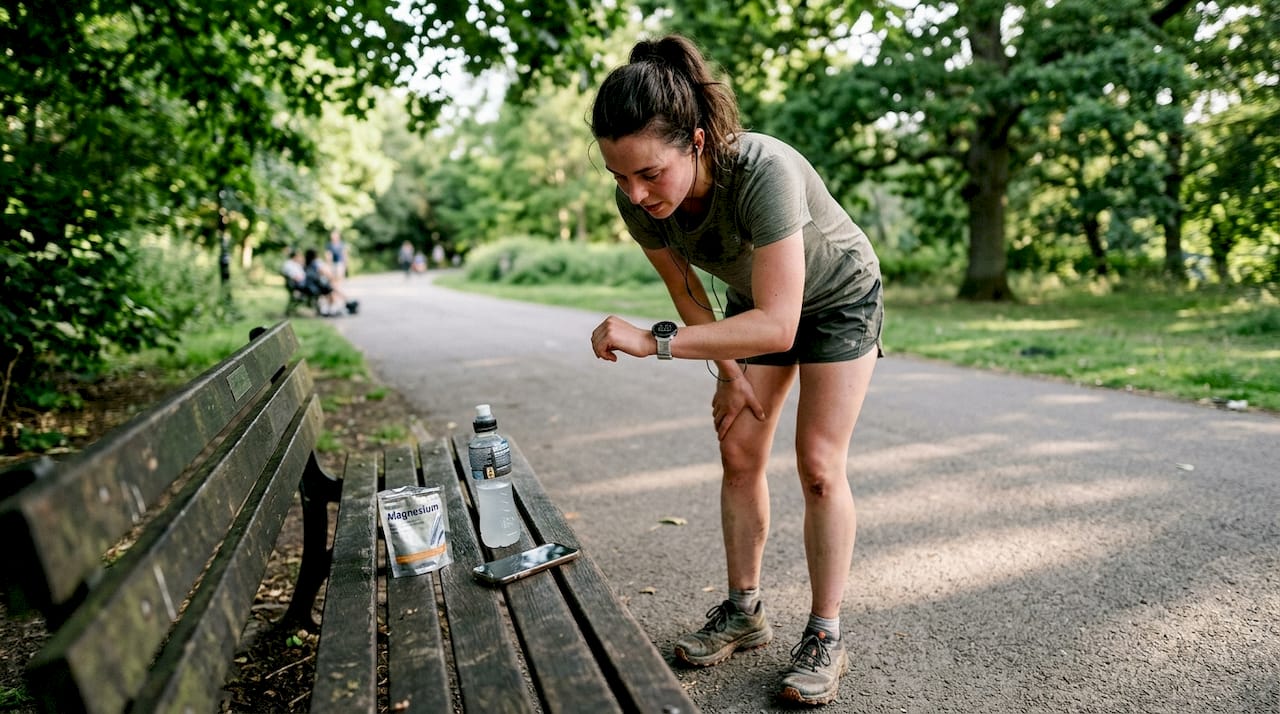
For women specifically, the luteal phase (the two weeks before your period) is when the body runs hotter, sweats earlier, and retains less sodium. This is not a weakness. It is a physiological reality that smart supplementation can address. Sodium hyperhydration improves endurance performance by 5%, with measurable time trial improvements for women in this phase of their cycle.
Here is what the evidence looks like in practice:
| Mineral | Study finding | Suggested pre-workout dose |
|---|---|---|
| Sodium | 5% endurance improvement in luteal phase | 200 to 400mg |
| Magnesium | Reduced fatigue markers, better ATP output | 200 to 300mg |
| Potassium | Improved repeated sprint capacity | 50 to 100mg |
| Calcium | Sustained muscle activation across sets | 200 to 400mg |
For electrolyte use for endurance events and HIIT alike, timing your intake correctly is as important as the dose itself.
Here is a simple pre-workout mineral workflow:
- 60 minutes before training: drink 400 to 500ml of water with a full-spectrum electrolyte supplement containing sodium, potassium, and magnesium
- 30 minutes before: eat a small carbohydrate-rich snack to support glycogen availability alongside your minerals
- During training: sip 150 to 200ml of electrolyte fluid every 15 to 20 minutes for sessions over 45 minutes
- Within 30 minutes post-session: replenish with a recovery drink that includes magnesium and potassium to restart muscle repair
Minerals also support electrolytes and mental focus, which matters enormously when you are pushing through a tough interval set or a competition.
Why female athletes need minerals: hormones, hydration and cramping
Performance benefits are not just about pushing harder in the gym. They are shaped by female physiology and changing needs across the month.
Your menstrual cycle creates predictable shifts in mineral requirements. During the follicular phase (days 1 to 14), oestrogen helps retain sodium more effectively, so hydration tends to feel more stable. In the luteal phase, progesterone promotes sodium excretion, which means you lose more fluid and electrolytes during the same effort. Ignoring this pattern means you are supplementing for the wrong version of yourself.
Signs that your mineral intake is falling short include:
- Persistent muscle cramps during or after training, particularly in the calves and hamstrings
- Unusual fatigue that does not resolve with sleep or rest days
- Brain fog or poor focus during workouts that should feel manageable
- Increased PMS symptoms including bloating, mood dips, and poor sleep
- Elevated resting heart rate without a clear training explanation
- Slow recovery between sessions despite adequate protein and carbohydrate intake
Magnesium is the standout mineral here. It reduces cramping by 30 to 40% and supports hormonal balance by modulating the stress response and improving sleep quality. For women who train hard through their cycle, this is not a nice-to-have. It is foundational.
Sodium plays a different but equally critical role. Sodium hyperhydration during the luteal phase improves endurance time trial performance by over one and a half minutes, which is a meaningful gain for any competitive athlete.
You can also support your mineral intake through food and water quality. Understanding mineral intake at home through filtered or mineralised water is a practical complement to supplementation.
Pro Tip: Track where you are in your cycle and adjust your electrolyte intake accordingly. In the luteal phase, increase sodium and magnesium by 15 to 20% to compensate for hormonal losses. Use a female electrolyte workflow to build this into your weekly routine without overthinking it.
Timing, dosage, and common mistakes when taking minerals pre-workout
Having discussed why minerals matter, it is critical to translate knowledge into practice for safe, effective supplementation.
Not every session warrants extra minerals. Short, low-intensity efforts of under 30 minutes in a cool environment rarely deplete electrolytes significantly. But HIIT sessions over 45 minutes or endurance efforts over 90 minutes are a different story entirely, and this is where targeted supplementation earns its place.
The most effective pre-workout approach follows these steps:
- Assess your session type: is it HIIT, strength, endurance, or a combination? Longer and more intense sessions require higher mineral support
- Choose a full-spectrum supplement: avoid single-mineral products. You need 200 to 300mg sodium and 50 to 100mg potassium as a baseline, alongside magnesium and calcium
- Time it correctly: take your supplement 45 to 60 minutes before training, not immediately before, so absorption is complete when you need it
- Hydrate alongside it: minerals without adequate water cannot do their job. Aim for 500ml in the hour before training
- Adjust for conditions: hot weather, high humidity, and altitude all increase sweat rate and therefore mineral loss
Common mistakes to avoid:
- Relying on a single mineral: taking only magnesium or only sodium creates imbalances that can worsen performance rather than improve it
- Supplementing without hydrating: minerals need fluid to work, and taking them without water can cause gastric discomfort
- Ignoring cycle phase: using the same dose every day regardless of hormonal context leaves performance gains on the table
- Overdosing sodium: excess sodium without matching potassium raises blood pressure and causes bloating
Exploring optimal electrolyte strategies and understanding top electrolyte sources will help you build a sustainable, personalised approach.
Pro Tip: Balance is everything. Think of your minerals as a team, not individual players. If one is out of proportion, the others cannot perform at their best either.
A fresh perspective: the overlooked secret behind sustainable athletic progress
Here is the uncomfortable truth that most sports nutrition content skips over. Mineral supplementation is not just for ultramarathon runners or elite triathletes. It is for any woman training consistently at high intensity, including you, whether your goal is a Hyrox finish, a faster 5K, or simply feeling strong and recovered week after week.
The conventional wisdom says: eat well, drink water, and you will be fine. But that advice was not built around the physiology of a 38-year-old woman doing four high-intensity sessions a week while managing work, family, and hormonal shifts. It was built around a generic baseline that does not exist in your real life.
We see athletes plateau not because they lack fitness, but because their mineral status is chronically low and nobody told them to look there. Energy feels flat. Recovery stalls. Motivation dips. These are not training problems. They are often mineral problems dressed up as training problems.
The athletes who make consistent, long-term progress are the ones who fine-tune the details. Not the ones who chase the next trending supplement. Why all athletes benefit from electrolytes is not a niche conversation. It is the foundation of sustainable performance.
Individualise your approach. Your needs in week one of your cycle are not your needs in week three. Age, intensity, sweat rate, and stress all shift the picture. One-size-fits-all fails every time.
Upgrade your performance with targeted pre-workout minerals
If the science in this article has clicked into place, the next step is straightforward. You need a supplement that delivers the right minerals in the right ratios, made from natural ingredients, and designed specifically for high-intensity training.
At Interval UK, our formulas are built for athletes like you: women who train hard, think carefully about what they put in their bodies, and want results that last. The Starter Bundle for optimal mineral intake is the simplest way to experience the difference that properly balanced electrolytes make to your energy, endurance, and recovery. No fillers, no artificial ingredients, just minerals that work.
Frequently asked questions
Should I take minerals before every workout?
You only need extra minerals for HIIT over 45 minutes or endurance efforts over 90 minutes, hot conditions, or heavy sweat sessions. Shorter or lighter activities rarely require supplementation.
Which minerals are most important before exercise?
Sodium, potassium, magnesium, and calcium are the four essentials, as they collectively support hydration, muscle contraction, nerve signalling, and energy production during training.
Does mineral supplementation help with cramps and PMS?
Yes. Magnesium in particular reduces cramping and PMS symptoms significantly, and combined with sodium it helps stabilise fluid balance across the hormonal cycle for women in their 30s and 40s.
How much magnesium should I take before training?
A dose of 300 to 500mg magnesium is generally recommended to support energy production and reduce muscle fatigue, though your ideal amount will depend on session intensity and cycle phase.
Recommended
- Essential Minerals: Boosting Performance for Female Athletes – Interval
- 7 Key Pre-Workout Nutrients for UK Female Athletes – Interval
- Guide to All-Natural Pre-Workout for Enhanced Performance – Interval
- Nutrient Bioavailability: Boosting Natural Pre-Workout Results – Interval
- Muskelaufbaufprodukte und ihre Dosierung - QuiTruss.com