


Athletic rehydration explained: your 2026 guide
TL;DR:
- Athletic rehydration involves deliberately replacing fluids and electrolytes lost during exercise to optimize recovery. Athletes should consume 125% to 150% of their fluid loss, including sodium, within two to four hours post-exercise for best results. Personalizing hydration strategies through measuring sweat rates and electrolyte losses is crucial for effective performance and recovery.
Athletic rehydration is defined as the deliberate replacement of fluids and essential minerals lost through sweat during and after exercise to restore the body’s hydration balance and support recovery. It goes beyond simply drinking water. Effective rehydration requires replacing 125% to 150% of fluid lost after exercise, meaning 1.25 to 1.5 litres for every kilogram of bodyweight lost, consumed over two to four hours. Sodium is the key electrolyte driving fluid retention and preventing dangerous imbalances. For any athlete training at high intensity, understanding what athletic rehydration actually involves is the difference between a strong recovery and a compromised next session.
What is athletic rehydration and why does it matter?
Athletic rehydration is the structured process of replenishing both fluid volume and electrolyte content after physical exertion. It is not the same as casual drinking throughout the day. The distinction matters because sweat removes sodium, potassium, magnesium, and chloride alongside water, and replacing water alone does not restore the body’s electrolyte balance.
The importance of hydration in sports comes down to physiology. Your cardiovascular system depends on adequate blood volume to deliver oxygen to working muscles. Your thermoregulatory system depends on sweat to manage core temperature. When fluid losses are not replaced correctly, both systems are compromised, and performance drops measurably.
For athletes doing high-intensity work, such as Hyrox, CrossFit, or endurance events, the stakes are higher than for recreational exercisers. Sweat rates during intense sessions can reach one to two litres per hour, and electrolyte losses scale accordingly. A personalised rehydration strategy, not a generic one, is what separates athletes who recover well from those who accumulate fatigue across training blocks.
How do fluid and electrolyte losses affect performance?
Performance declines at 2% fluid loss as a proportion of bodyweight. That is roughly 1.4 kg for a 70 kg athlete. At that threshold, cardiovascular output drops, thermoregulation becomes less efficient, and perceived exertion rises for the same workload. Cognitive function also deteriorates, which matters in sports requiring tactical decisions under fatigue.
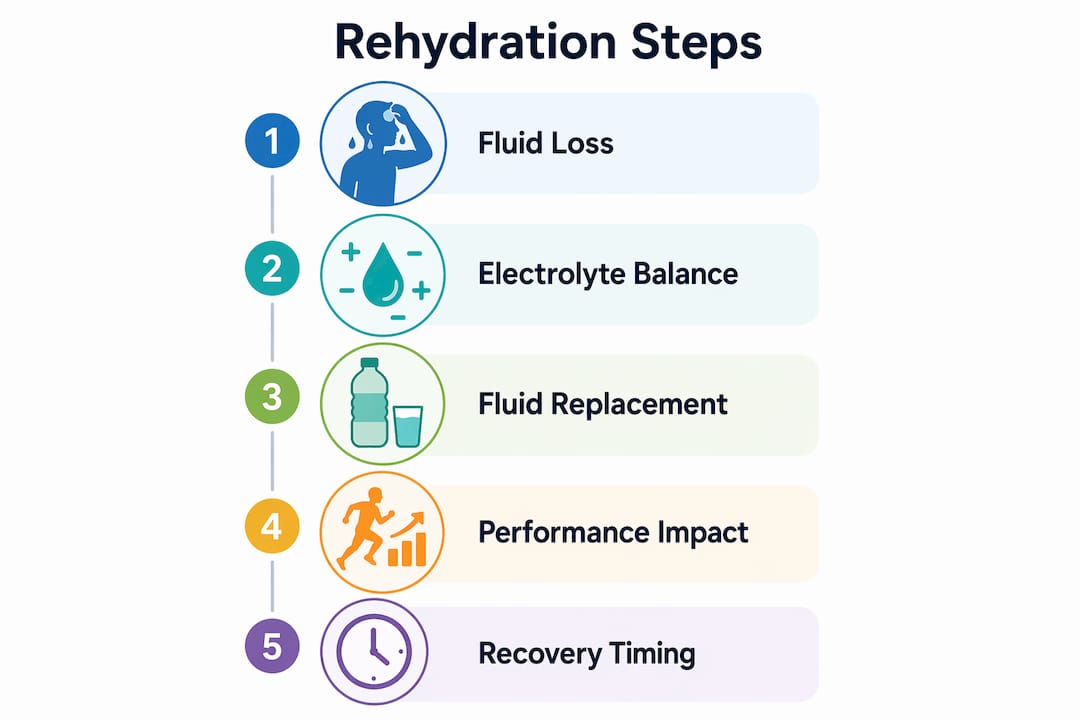
Electrolyte depletion compounds the problem. Sodium is the primary electrolyte lost in sweat, and athletes lose 900 to 1400 mg of sodium per litre of sweat. When sodium drops, muscle cramping becomes more likely, nerve signalling slows, and the body’s ability to retain fluid is reduced. Potassium and magnesium losses contribute to muscle fatigue and impaired contraction.
The risk of hyponatremia is equally serious and often overlooked. Overhydration with plain water dilutes blood sodium, causing symptoms ranging from nausea and confusion to seizures in severe cases. This condition is most common in endurance events where athletes drink beyond their thirst without accounting for electrolyte replacement.
Hyponatremia is not a condition exclusive to ultra-endurance athletes. Any athlete who drinks large volumes of plain water during prolonged sessions without sodium replacement is at risk. The fix is not drinking less. It is drinking smarter.
Key physiological effects of inadequate rehydration include:
- Reduced cardiac stroke volume, forcing the heart to work harder at the same pace
- Elevated core temperature due to reduced sweat efficiency
- Increased rating of perceived exertion at submaximal intensities
- Impaired reaction time and decision-making under fatigue
- Greater muscle damage accumulation across repeated training sessions
What are the best methods for effective athletic rehydration?
Effective rehydration strategies for athletes are built on three variables: volume, electrolyte content, and timing. Getting all three right is what distinguishes a recovery protocol from simply drinking fluids.
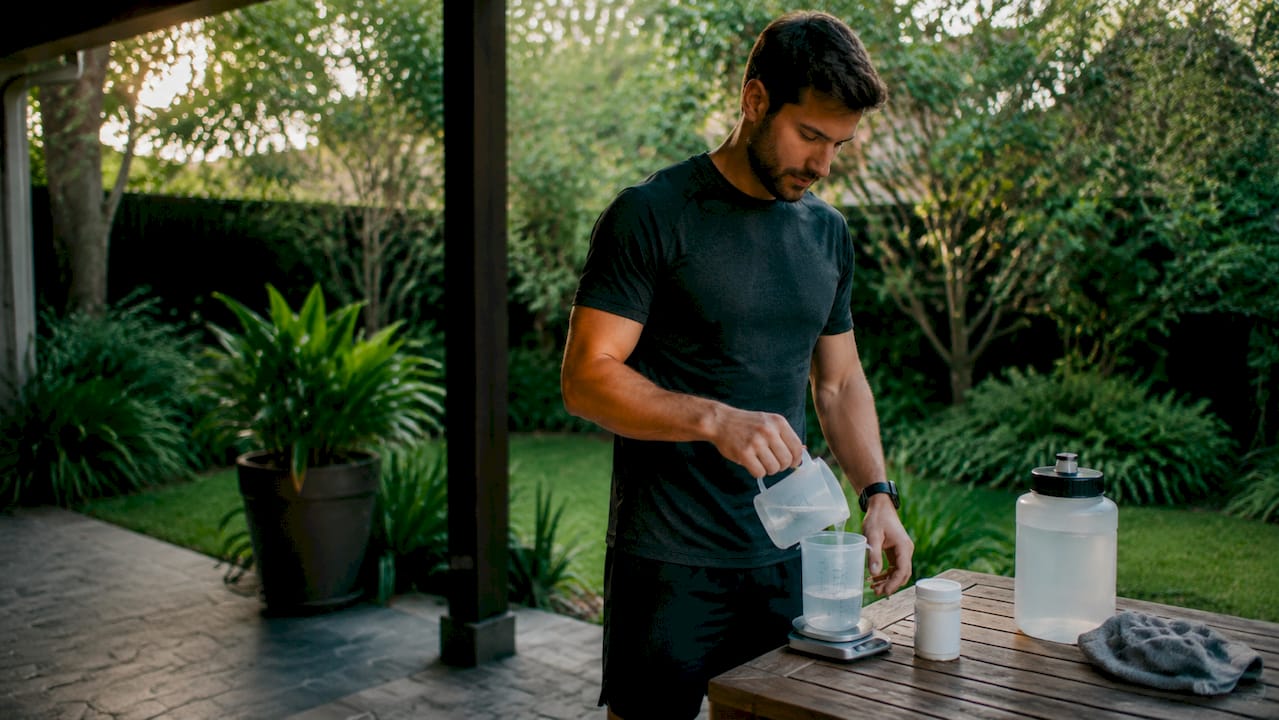
Volume: Replace 1.25 to 1.5 litres of fluid for every kilogram of bodyweight lost during exercise. The excess above 100% accounts for ongoing urine losses during the recovery window. Spreading this intake over two to four hours improves absorption and reduces the risk of gastrointestinal discomfort.
Electrolyte content: For sessions longer than 60 minutes, include 500 to 1000 mg of sodium per litre of fluid. Sodium stimulates thirst, improves fluid retention in the gut, and replaces the primary mineral lost in sweat. Potassium and magnesium support muscle recovery but are secondary priorities to sodium.
Timing: Begin rehydration within 30 minutes of finishing exercise. The body’s ability to absorb and retain fluid is highest in the immediate post-exercise window. Waiting until the following morning to address a significant fluid deficit extends the period of compromised recovery.
A practical step-by-step approach to post-exercise rehydration:
- Weigh yourself immediately before and after training, without clothing, to calculate fluid loss in kilograms.
- Multiply your fluid loss by 1.25 to 1.5 to determine your total rehydration target in litres.
- Begin drinking within 30 minutes of finishing, aiming for 500 ml in the first hour.
- Include a sodium source in your rehydration drink, particularly after sessions exceeding 60 minutes.
- Continue drinking at a steady rate over two to four hours rather than consuming large volumes at once.
- Monitor urine output and colour as a rough guide, but do not rely on it as your sole indicator.
Pro Tip: Weigh yourself naked before and after your next hard session. One kilogram of weight loss equals approximately one litre of sweat lost. This single measurement gives you more useful data than any generic hydration chart.
For athletes doing multiple sessions per day or competing in heat, carbohydrate-electrolyte solutions accelerate glycogen replenishment alongside fluid replacement. Milk is also an effective post-exercise rehydration drink due to its combination of protein, carbohydrates, sodium, and potassium, which supports fluid retention better than water alone.
Water, electrolyte drinks, or homemade solutions: which is best?
The right hydration option depends on session duration, intensity, and sweat rate. There is no universal answer, but the evidence points clearly in different directions depending on context.
| Option | Best for | Limitations |
|---|---|---|
| Plain water | Sessions under 60 minutes, moderate intensity, temperate conditions | Does not replace electrolytes; risk of diluting sodium at high volumes |
| Commercial electrolyte drinks | Prolonged or intense sessions, hot conditions, high sweat rate athletes | Variable electrolyte concentrations, often contain added sugars and sweeteners |
| Homemade electrolyte solution | Athletes who want control over ingredients and cost | Requires accurate preparation; easy to under-dose sodium |
| Milk | Post-exercise recovery, moderate sessions | Not suitable during exercise; higher calorie content |
| Whole foods | Recovery after sessions under 90 minutes in temperate conditions | Slower absorption than liquids for immediate rehydration |
A balanced diet replenishes electrolytes adequately for most athletes training under 90 minutes in temperate conditions. Bananas, yogurt, and pretzels are practical post-session food sources that cover potassium and sodium without supplementation.
Commercial electrolyte drinks vary significantly in quality. Some contain only trace amounts of minerals alongside high sugar loads. Others are well-formulated with clinically relevant sodium concentrations. Reading the label matters. Look for products with at least 400 mg of sodium per serving and minimal artificial additives.
When choosing supplements, avoid magnesium oxide and citrate forms during exercise. Chelated magnesium forms are better tolerated and less likely to cause gastrointestinal distress during or after training. This is a detail most athletes discover the hard way during a race rather than in training.
Pro Tip: Test any new electrolyte product during a training session, not on competition day. Gastrointestinal issues from poorly tolerated supplements are one of the most preventable performance problems in sport.
For a detailed comparison of electrolyte supplement formats, the best electrolyte tablets for sport guide from Useinterval covers tolerability, concentration, and practical use cases.
How can athletes monitor and adjust their rehydration?
Monitoring hydration accurately requires more than checking urine colour. Urine colour alone is unreliable as a hydration indicator because diet, supplements, and recent fluid intake all confound the reading. Urine specific gravity and osmolality are more accurate markers, though these require laboratory or clinical testing.
Practical monitoring methods for athletes include:
- Pre and post-exercise weighing: The most accessible and accurate field method. One kilogram of weight loss equals approximately one litre of sweat lost. Sweat rate varies widely between individuals, making personal measurement more useful than population averages.
- Fluid intake logging: Tracking daily fluid consumption alongside training load helps identify patterns and chronic under-hydration.
- Body weight trends: A drop of more than 1% in morning body weight across consecutive training days suggests accumulated fluid deficit.
- Subjective markers: Persistent fatigue, headaches, and reduced training motivation can indicate chronic mild dehydration rather than overtraining.
Environmental conditions significantly alter hydration needs. Heat and humidity increase sweat rate and sodium losses. Altitude increases respiratory water loss. Cold conditions suppress thirst despite real fluid needs. Athletes should increase sodium intake in hot climates and during summer training blocks, as sweat sodium concentration rises with heat acclimatisation.
Holistic hydration monitoring combining body weight, urine metrics, and fluid logs produces more accurate assessments than any single marker. Athletes who track these variables across a training block can identify their personal sweat rate, adjust electrolyte intake accordingly, and arrive at competition day in a known hydration state rather than guessing.
Pro Tip: If you train in heat regularly, consider working with a sports dietitian to measure your sweat sodium concentration. High sodium losers, those losing over 1000 mg per litre, need significantly more sodium than standard guidelines suggest.
For a deeper look at optimising electrolyte intake based on individual sweat profiles, Useinterval’s guide covers the practical steps in detail.
Key takeaways
Effective athletic rehydration requires replacing 125% to 150% of fluid lost, including sodium at 500 to 1000 mg per litre, timed within two to four hours of finishing exercise.
| Point | Details |
|---|---|
| Replace more than you lost | Drink 1.25 to 1.5 litres per kilogram of bodyweight lost to cover ongoing urine losses. |
| Sodium is non-negotiable | Include 500 to 1000 mg of sodium per litre for sessions over 60 minutes to retain fluid and prevent hyponatremia. |
| Measure your sweat rate | Weigh yourself before and after training to calculate personal fluid losses rather than relying on generic charts. |
| Match your drink to your session | Plain water suffices for short, moderate sessions; electrolyte solutions are required for prolonged or intense work. |
| Avoid urine colour as your only guide | Combine body weight tracking, fluid logs, and urine metrics for accurate hydration monitoring. |
Hydration is personal, not prescriptive
I have seen athletes follow every generic hydration guideline and still arrive at competition day under-fuelled and under-hydrated. The problem is almost always the same. They are following advice designed for an average athlete, and there is no such thing as an average athlete when it comes to sweat.
The 125% to 150% fluid replacement guideline is a starting point, not a finish line. Some athletes sweat at twice the rate of others doing the same session. Some lose three times as much sodium per litre of sweat. A protocol that works perfectly for one person can leave another cramping at kilometre eight.
What I find most athletes get wrong is the sodium piece. They focus on fluid volume and ignore electrolyte concentration entirely. Then they wonder why they feel flat and crampy despite drinking enough. Sodium is not optional for high-intensity athletes. It is the mechanism by which your body actually holds onto the fluid you consume.
My honest recommendation: spend two weeks measuring your sweat rate properly. Weigh yourself before and after every session. Log the data. You will learn more about your hydration needs in those two weeks than from any generic article, including this one. Then build your electrolyte strategy around what you actually lose, not what an average chart suggests.
— Tom
Support your recovery with Useinterval
If you are training at high intensity and want a rehydration solution built around real electrolyte science rather than marketing, the Useinterval Starter Bundle is the practical starting point. It combines a natural-ingredient electrolyte formula with a pre-workout designed specifically for athletes doing demanding sessions. The electrolyte product is formulated with sodium concentrations relevant to actual sweat losses, not the trace amounts found in most commercial drinks. For athletes who want to stop guessing and start recovering properly, it is worth trying during your next training block.
FAQ
What is athletic rehydration?
Athletic rehydration is the process of replacing fluids and electrolytes lost through sweat during and after exercise. It involves consuming 125% to 150% of fluid lost, with sodium included for sessions over 60 minutes.
How much should I drink after exercise?
Drink 1.25 to 1.5 litres of fluid for every kilogram of bodyweight lost during training. Spread this intake over two to four hours to maximise absorption and minimise gastrointestinal discomfort.
What are electrolytes and why do athletes need them?
Electrolytes are minerals including sodium, potassium, magnesium, and chloride that regulate fluid balance, muscle contraction, and nerve function. Athletes lose them through sweat, and replacing them is required for proper recovery and performance. Learn more about what electrolytes do for athletic performance.
Is plain water enough for rehydration after sport?
Plain water is sufficient for sessions under 60 minutes at moderate intensity. For longer or more intense sessions, particularly in heat, electrolyte replacement is required to restore sodium levels and support fluid retention.
How do I know if I am dehydrated after training?
The most reliable field method is pre and post-exercise weighing. A loss of 1% or more of bodyweight indicates meaningful dehydration. Urine colour provides a rough guide but is not reliable on its own due to dietary and supplement confounders.