


What Is Rehydration? Boost Hyrox Endurance 20% in 2026
Every female Hyrox athlete knows the frustration of hitting a wall mid-race despite weeks of training. Research reveals that dehydration of just 2% body weight can slash your endurance by up to 20% during high-intensity workouts. This guide breaks down the science of rehydration, revealing how proper fluid and electrolyte balance transforms performance for women aged 30 to 50. You’ll discover personalized strategies, supplement choices, and practical timing protocols that eliminate fatigue and unlock your competitive edge.
Table of Contents
- Understanding Rehydration: The Science Behind Fluid and Electrolyte Balance
- How Electrolytes and Fluids Work Together During Exercise
- Gender and Age-Specific Rehydration Needs for Female Hyrox Athletes 30 to 50
- Common Misconceptions About Hydration and Rehydration
- Practical Strategies for Effective Rehydration in Hyrox Training and Competition
- Choosing Natural Electrolyte Supplements That Support Optimal Rehydration
- Optimize Your Rehydration With Interval’s Expert Solutions
Key Takeaways
| Point | Details |
|---|---|
| Rehydration restores critical balance | Proper fluid and electrolyte replacement maintains muscle function, nerve signals, and cardiovascular efficiency during intense Hyrox training. |
| Water alone fails athletes | Drinking only water risks hyponatremia and performance drops; electrolytes prevent dangerous imbalances and support sustained endurance. |
| Female physiology demands customization | Hormonal cycles and age-related changes in women 30 to 50 require tailored hydration volumes and electrolyte ratios for optimal results. |
| Sweat rate measurement personalizes plans | Tracking individual fluid losses enables precise intake targets that reduce dehydration-related performance drops by 15%. |
| Natural supplements enhance recovery | Plant-based electrolyte products reduce cramping by 25% and accelerate post-exercise recovery with fewer side effects than synthetic alternatives. |
Understanding Rehydration: The Science Behind Fluid and Electrolyte Balance
Rehydration is the process of restoring fluids and electrolytes lost through sweat during exercise. Your body loses between 0.5 to 2.5 litres of fluid per hour during intense Hyrox sessions, depending on temperature, humidity, and individual physiology. This fluid depletion directly impacts your cardiovascular system, forcing your heart to work harder to maintain blood pressure and deliver oxygen to working muscles.
Electrolytes are charged minerals that regulate critical body functions. Sodium maintains fluid balance and enables nerve impulses. Potassium supports muscle contraction and prevents cramping. Magnesium facilitates energy production and reduces fatigue. When you sweat, you lose these minerals alongside water, creating a dual deficit that water alone cannot fix.
Impact of dehydration on performance demonstrates measurable consequences. A 2% body weight fluid loss impairs endurance by 10 to 20%, reduces strength output, and slows reaction time. At 3% dehydration, muscle coordination deteriorates and heat regulation fails. These performance drops compound during Hyrox events where you cycle through eight stations demanding sustained power and precision.
The need for electrolytes in Hyrox training becomes clear when you examine sweat composition. Your sweat contains 900 to 1500 mg of sodium per litre, plus smaller amounts of potassium, magnesium, and calcium. Replacing fluid without these minerals dilutes blood electrolyte concentration, triggering muscle weakness and mental fog. Female athletes experience additional challenges from hormonal fluctuations that alter fluid retention patterns throughout the menstrual cycle.
Key physiological effects of proper rehydration include:
- Maintained blood volume supporting oxygen delivery to muscles
- Preserved nerve signal transmission enabling quick reflexes
- Regulated body temperature preventing overheating during intense efforts
- Sustained muscle contractility reducing cramping and power loss
How Electrolytes and Fluids Work Together During Exercise
During a typical 60-minute Hyrox session, you lose approximately 1 to 1.5 litres of sweat containing 1000 to 1500 mg of sodium. This simultaneous fluid and mineral depletion creates a performance crisis that plain water cannot resolve. When you drink water without electrolytes, you dilute your blood sodium concentration, a condition called hyponatremia that triggers nausea, confusion, and dangerous swelling of brain cells.
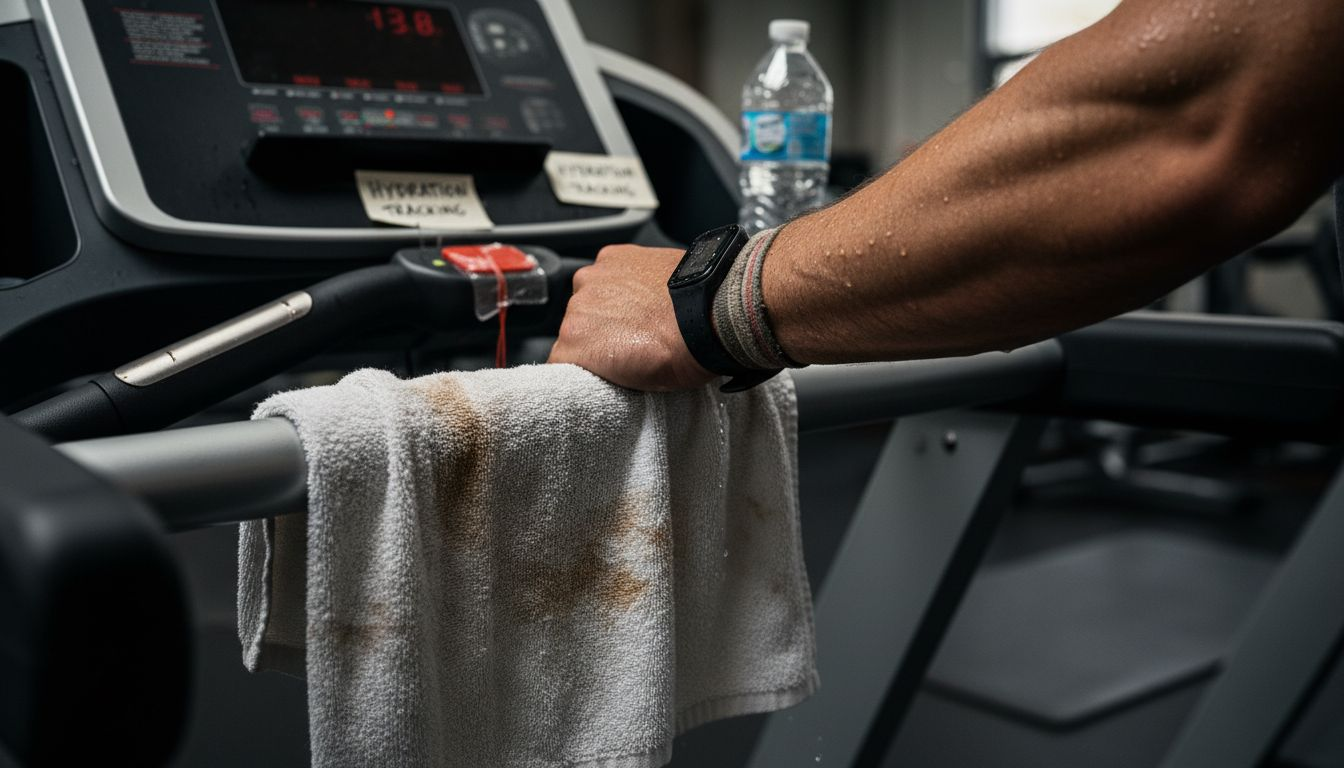
The electrolyte-fluid partnership works through osmosis. Sodium in your bloodstream pulls water into cells and blood vessels, maintaining proper hydration at the cellular level. Without adequate sodium, water passes through your system too quickly, leaving cells dehydrated despite fluid intake. This explains why you can drink litres of water yet still feel thirsty and fatigued.
Dehydration of just 2% body weight loss impairs endurance performance by up to 10 to 20% according to multiple controlled studies. The performance decline accelerates when both fluid and electrolyte deficits occur together. Your heart rate climbs, perceived exertion increases, and power output drops across all eight Hyrox stations. Recovery between exercises slows, compounding fatigue as the event progresses.
| Hydration Type | Performance Impact | Health Risk | Recovery Time |
|---|---|---|---|
| Water only | 15 to 25% endurance reduction | High hyponatremia risk | 24 to 48 hours |
| Electrolyte solution | 5 to 10% performance maintained | Minimal risk | 12 to 18 hours |
| Personalized electrolyte plan | Optimal performance sustained | Very low risk | 8 to 12 hours |
The electrolyte workflow for female Hyrox athletes provides practical implementation steps. Start by measuring baseline sweat rate, then match electrolyte concentration to individual losses. Monitor urine colour and body weight changes to fine-tune your protocol.
Pro Tip: Weigh yourself before and after a typical training session without drinking. Each kilogram lost equals one litre of fluid deficit. Add 500 to 700 mg sodium per litre of replacement fluid to match sweat electrolyte concentration.
Female athletes should pay attention to electrolyte tips for female athletes that address hormonal influences. Progesterone during the luteal phase increases core temperature and fluid requirements. Adjusting intake across your cycle prevents unexpected performance drops.
Gender and Age-Specific Rehydration Needs for Female Hyrox Athletes 30 to 50
Hormonal fluctuations throughout your menstrual cycle significantly alter fluid balance and electrolyte requirements. During the follicular phase, oestrogen promotes fluid retention, reducing immediate hydration needs. The luteal phase brings progesterone dominance, raising core temperature by 0.3 to 0.5 degrees Celsius and increasing sweat rate by 10 to 15%. This shift demands higher fluid and sodium intake to maintain performance.
Perimenopause and menopause introduce additional challenges. Declining oestrogen levels reduce your kidneys’ ability to concentrate urine, increasing baseline fluid losses. Hot flashes trigger unexpected sweating episodes that deplete sodium reserves. Many women in their 40s notice increased thirst and more frequent urination, signals that age-related changes require rehydration protocol adjustments.
Renal concentrating ability declines approximately 1% per year after age 30. By 50, your kidneys retain 20% less fluid than in your 20s. This physiological change means you need consistent electrolyte intake even during rest days to prevent chronic low-level dehydration. The cumulative effect impacts recovery speed, joint lubrication, and cognitive function during complex Hyrox movements.
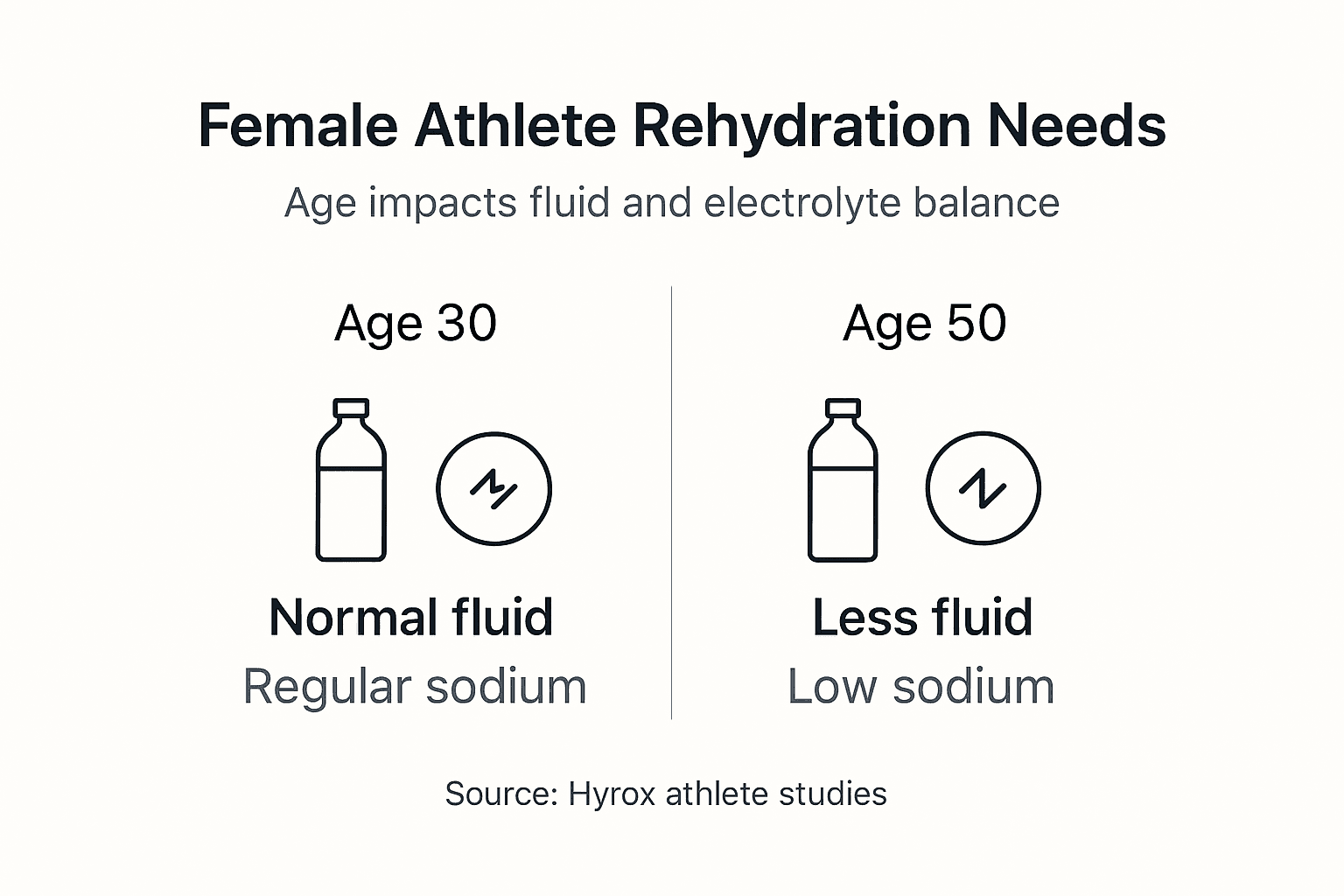
Nutrition balance for female Hyrox athletes extends beyond hydration to overall mineral status. Calcium and magnesium requirements increase with age to support bone density and muscle function. Integrating these minerals into your rehydration strategy delivers dual benefits for performance and long-term health.
Key considerations for women 30 to 50:
- Track hydration needs across menstrual cycle phases to identify patterns
- Increase sodium intake by 20 to 30% during luteal phase and hot weather
- Monitor morning body weight for early dehydration detection
- Adjust electrolyte ratios during perimenopause based on symptom changes
Pro Tip: Keep a hydration journal noting cycle phase, training intensity, sweat rate, and performance metrics. After three months, patterns emerge that enable precise personalization of your rehydration protocol.
Common Misconceptions About Hydration and Rehydration
Three persistent myths sabotage rehydration efforts for female Hyrox athletes. Understanding the science behind these misconceptions prevents dangerous mistakes and unlocks better performance.
-
Water alone is sufficient for rehydration. This belief ignores basic physiology. Effective rehydration requires both fluids and electrolytes; water alone can cause hyponatremia by diluting blood sodium to dangerous levels. During intense exercise lasting over 60 minutes, sodium losses reach 1000 to 1500 mg per hour. Drinking only water replaces fluid but worsens electrolyte imbalance, triggering nausea, confusion, and in severe cases, seizures. Every litre of replacement fluid needs 500 to 700 mg sodium to match sweat composition.
-
Hydration needs are identical across ages and genders. Female physiology differs fundamentally from male hydration patterns. Women have lower total body water percentages, smaller blood volumes, and hormonal cycles that alter fluid distribution. Age compounds these differences as kidney function declines and hormonal changes affect temperature regulation. A 35-year-old woman needs 15 to 25% more sodium during her luteal phase compared to her follicular phase. Generic hydration advice ignores these critical variables.
-
More fluid always improves performance. Overhydration poses serious risks. Drinking beyond sweat losses dilutes blood electrolytes and causes hyponatremia. Symptoms include bloating, headache, and impaired coordination. Extreme cases result in cerebral oedema and death. Your body can only absorb 800 to 1000 ml of fluid per hour during exercise. Exceeding this rate provides no benefit and increases stomach discomfort.
The risks of overhydration without electrolytes are well documented in endurance sports. Marathon runners who gain weight during races face highest hyponatremia risk. Hyrox athletes must balance fluid intake with measured sweat losses, not arbitrary volume targets.
Correct approach: Calculate personal sweat rate, match fluid intake to losses, and include electrolytes in every rehydration session. Monitor body weight changes and urine colour to verify proper balance. Adjust protocols based on temperature, humidity, and individual response patterns.
Practical Strategies for Effective Rehydration in Hyrox Training and Competition
Implementing evidence-based rehydration transforms your Hyrox performance through systematic measurement and timing protocols.
-
Measure your sweat rate accurately. Weigh yourself naked before training, exercise for 60 minutes at race intensity, then weigh again without drinking. Subtract post-exercise weight from pre-exercise weight. Each kilogram lost equals one litre of sweat. Add any fluid consumed during the session to this number for total sweat loss. Repeat this test in different temperatures and training phases to build a comprehensive profile.
-
Calculate personalized fluid targets. Aim to replace 80 to 100% of sweat losses during training sessions under 90 minutes. For longer efforts, target 70 to 80% replacement to avoid overhydration. Divide total fluid needs by session duration to determine hourly intake rate. Most athletes absorb 600 to 800 ml per hour comfortably.
-
Choose appropriate electrolyte composition. Personalized hydration plans reduce dehydration-related performance drops by 15% when sodium concentration matches sweat losses. Standard recommendations suggest 500 to 700 mg sodium per litre for moderate sweaters. Heavy sweaters losing over 1.5 litres per hour need 700 to 1000 mg sodium per litre. Include 150 to 200 mg potassium and 30 to 50 mg magnesium for comprehensive electrolyte replacement.
-
Time intake strategically around training and competition. Prehydrate with 400 to 600 ml of electrolyte solution 2 to 3 hours before exercise. Drink 200 to 300 ml every 15 to 20 minutes during your Hyrox session. Within 30 minutes post-exercise, consume 150% of fluid losses over the next 2 to 4 hours to account for ongoing urine production.
-
Monitor hydration status through objective markers. Morning body weight should vary less than 1% day to day. Urine colour should be pale yellow, not clear or dark. Clear urine signals overhydration. Dark urine indicates insufficient intake. Track these metrics daily to catch dehydration trends before they impact performance.
The essential electrolyte tips and electrolyte workflow provide detailed implementation guidance tailored to female athletes.
Pro Tip: Set phone reminders every 15 minutes during training to maintain consistent fluid intake. Dehydration accumulates gradually, making it easy to fall behind on replacement without structured prompts.
Choosing Natural Electrolyte Supplements that Support Optimal Rehydration
Natural electrolyte supplements offer superior absorption and fewer side effects compared to synthetic alternatives. Natural electrolyte supplements reduce cramping incidence by 25% and speed recovery by 15% according to recent comparative studies. The difference lies in ingredient source, bioavailability, and absence of artificial additives.
| Feature | Natural Supplements | Synthetic Supplements |
|---|---|---|
| Sodium source | Sea salt, pink Himalayan salt | Sodium chloride (lab-produced) |
| Magnesium type | Magnesium glycinate, citrate | Magnesium oxide (poor absorption) |
| Additional minerals | Trace minerals from natural sources | Isolated single compounds |
| Absorption rate | 85 to 95% bioavailability | 60 to 75% bioavailability |
| Side effects | Minimal GI distress | Frequent stomach upset, diarrhoea |
| Taste profile | Clean, slightly mineral | Artificial, chemical aftertaste |
Key natural ingredients that enhance rehydration include:
- Sea salt or pink Himalayan salt providing sodium plus 80+ trace minerals
- Coconut water powder supplying potassium and natural sugars for absorption
- Magnesium glycinate offering superior bioavailability and muscle relaxation
- Calcium citrate supporting bone health and muscle contraction
- Beetroot powder containing natural nitrates that improve blood flow
The natural electrolyte supplements comparison evaluates top products for female Hyrox athletes. Look for formulations with 500 to 700 mg sodium per serving, minimal added sugars, and third-party testing for purity. Avoid products with artificial colours, sweeteners, or excessive stimulants that interfere with hydration.
Integrating natural electrolytes into daily routines is straightforward. Mix one serving in 500 to 750 ml water for training sessions. Use half servings for lighter workouts or hot weather baseline hydration. Experiment with flavours to find options you’ll consume consistently, as compliance determines effectiveness.
Pro Tip: Taste preferences vary significantly. Purchase small sample packs before committing to large containers. Natural fruit flavours like lemon, berry, and orange typically mask mineral taste better than unflavoured options while avoiding artificial ingredients.
Optimize Your Rehydration with Interval’s Expert Solutions
You’ve learned the science behind effective rehydration and practical strategies to implement it. Now it’s time to put knowledge into action with products designed specifically for female Hyrox athletes.
Interval’s natural electrolyte supplements deliver the precise sodium, potassium, and magnesium ratios you need to maintain performance across all eight Hyrox stations. Our formulations use sea salt, coconut water powder, and magnesium glycinate for superior absorption without artificial additives. Each serving provides 600 mg sodium and essential minerals tailored to the demands of high-intensity training.
Explore our comprehensive best pre-workout supplements 2025 comparison guide to pair rehydration with energy optimization. Discover the best electrolyte sources for female Hyrox athletes to fine-tune your supplement choices. Ready to start? Our starter bundle for rehydration and performance combines electrolytes and pre-workout at an introductory price.
FAQ
When is the best time to consume electrolytes during Hyrox events?
Consume 200 to 300 ml of electrolyte solution every 15 to 20 minutes throughout your Hyrox competition. Start hydrating 2 to 3 hours before the event with 400 to 600 ml containing 500 to 700 mg sodium. Immediate post-race replacement within 30 minutes prevents delayed fatigue.
How can I easily measure my sweat rate at home?
Weigh yourself naked before a 60-minute training session at race intensity. Exercise without drinking, towel off completely, then weigh again immediately. Each kilogram lost equals one litre of sweat. Repeat in different conditions to establish your personal hydration profile.
Are natural electrolyte supplements safe for women over 40?
Natural electrolyte supplements are safe and particularly beneficial for women over 40. Age-related kidney changes and hormonal fluctuations increase mineral requirements. Choose products with bioavailable forms like magnesium glycinate and avoid excessive caffeine that interferes with hydration.
What signs indicate I might be overhydrating or underhydrating?
Underhydration symptoms include dark urine, elevated heart rate, fatigue, and reduced performance. Overhydration causes clear urine, bloating, headache, and nausea. Monitor morning body weight consistency and urine colour to maintain proper balance between these extremes.
Can I customize electrolyte intake across menstrual cycle phases?
Yes, customizing intake across cycle phases optimizes performance. Increase sodium by 20 to 30% during the luteal phase when progesterone raises core temperature and sweat rate. Track patterns for three months to identify your individual needs and adjust protocols accordingly.