


Citric acid for athletes: 10s faster runs or metabolic myth?
You’ve probably heard citric acid is a game-changer for performance, but the truth is far more nuanced. Whilst citric acid plays a vital metabolic role in energy production, the evidence for supplementation benefits in female athletes aged 30-50 remains surprisingly limited and often misunderstood. Many assume taking citric acid directly translates to better performance, yet research tells a different story. This guide cuts through the confusion, clarifying the science behind citric acid’s metabolic function, the reality of supplementation outcomes, and what female athletes truly need to optimise high-intensity performance and recovery.
Table of Contents
- Key takeaways
- How citric acid supports energy production in high-intensity sports
- Exploring citric acid supplements: sodium citrate and related compounds
- Considerations for female athletes: physiological nuances and supplementation outcomes
- Practical applications: optimising citric acid supplementation and alternatives for female athletes
- Discover Interval’s starter bundle for natural performance support
- FAQ
Key Takeaways
| Point | Details |
|---|---|
| Krebs cycle role | Citric acid supports ATP production through the Krebs cycle, but supplementation does not automatically boost performance. |
| Female supplementation evidence limited | For women aged thirty to fifty, direct citric acid supplementation shows inconclusive or modest effects on performance and recovery. |
| Sodium citrate benefits mixed | Some studies report modest gains from sodium citrate but gastrointestinal side effects and inconsistent results temper enthusiasm. |
| Buffering limited for females | Physiological differences in women may dampen buffering effects during high intensity exercise. |
| Sodium bicarbonate alternative | Sodium bicarbonate may offer more reliable performance benefits for female athletes with fewer buffering limitations. |
How citric acid supports energy production in high-intensity sports
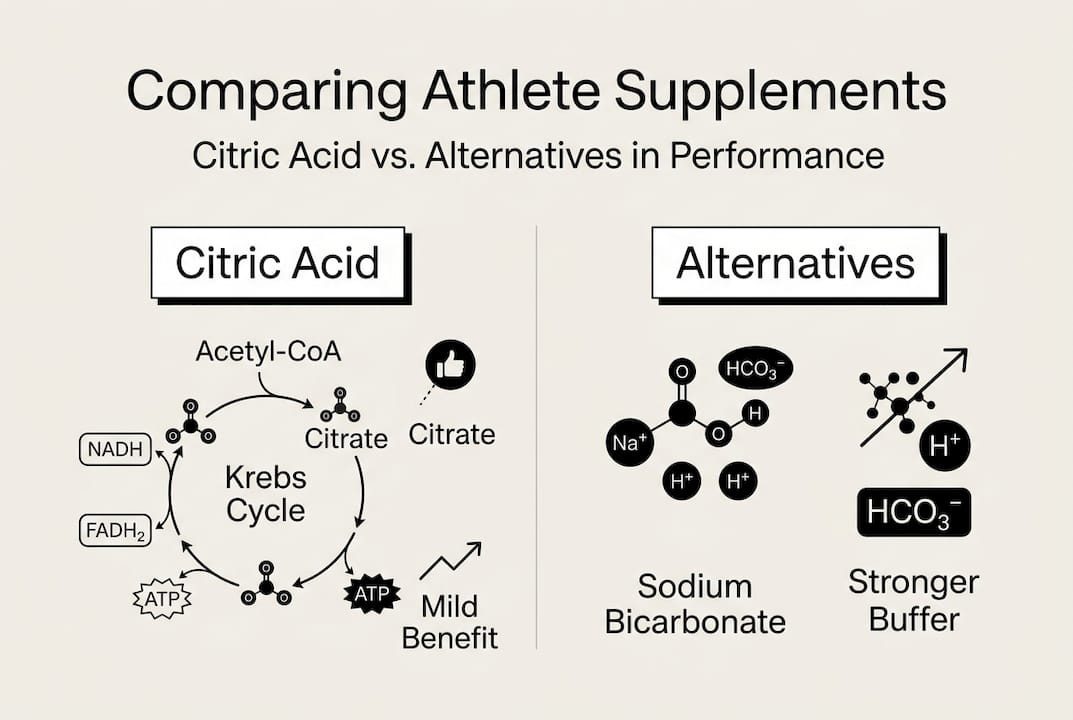
Your muscles rely on a continuous supply of ATP to power explosive movements, sustained sprints, and rapid recovery between efforts. Citric acid facilitates ATP production through the Krebs cycle, the central metabolic pathway operating in your muscle cells during aerobic metabolism. This cycle converts nutrients into usable energy, and citric acid acts as a key intermediate that keeps the process running smoothly.
During high-intensity sports like netball, hockey, or CrossFit, your body switches between aerobic and anaerobic energy systems rapidly. The Krebs cycle becomes crucial when you need sustained power output beyond brief anaerobic bursts. Without adequate ATP regeneration, fatigue sets in quickly, limiting your ability to maintain intensity throughout training or competition. Citric acid’s role in this cycle makes it metabolically essential, but this doesn’t automatically mean supplementing with citric acid improves performance.
Several factors influence how efficiently your Krebs cycle functions. Availability of metabolic intermediates like citric acid and malate matters, but so do cofactors, enzyme activity, and overall mitochondrial health. Your training status, nutritional intake, and recovery practices all shape how effectively your cells generate energy. The citric acid involved in this metabolic process is produced internally, not sourced directly from supplements.
Pro Tip: Supporting your natural Krebs cycle function through balanced nutrition rich in B vitamins, magnesium, and quality carbohydrates delivers more consistent performance gains than isolated citric acid supplementation. Focus on foundational habits that optimise mitochondrial health and metabolic efficiency.
Key factors affecting Krebs cycle efficiency include:
- Adequate oxygen delivery to working muscles during sustained efforts
- Sufficient availability of metabolic intermediates and cofactors from diet
- Mitochondrial density and enzyme activity improved through consistent training
- Recovery quality allowing cellular repair and adaptation between sessions
Understanding this metabolic foundation helps you evaluate whether citric acid supplements genuinely address your performance needs or if other strategies deliver superior results. For female athletes focused on sports nutrition for high-intensity training, recognising the difference between metabolic necessity and supplementation efficacy proves essential.
Exploring citric acid supplements: sodium citrate and related compounds
When discussing citric acid supplementation, you’re typically encountering sodium citrate or citrulline malate rather than pure citric acid. Sodium citrate combines citric acid with sodium, creating a buffering agent that may reduce acidity in muscles during intense exercise. Citrulline malate pairs the amino acid citrulline with malic acid, another Krebs cycle intermediate, potentially supporting both nitric oxide production and metabolic function.
Empirical research on sodium citrate shows mixed results. Some studies report improved 3km run times by approximately 10 seconds and enhanced repeated sprint performance, but the evidence remains weaker than for sodium bicarbonate. Importantly, no direct studies examine pure citric acid as a natural supplement for athletic performance or recovery, making claims about citric acid supplementation speculative at best.
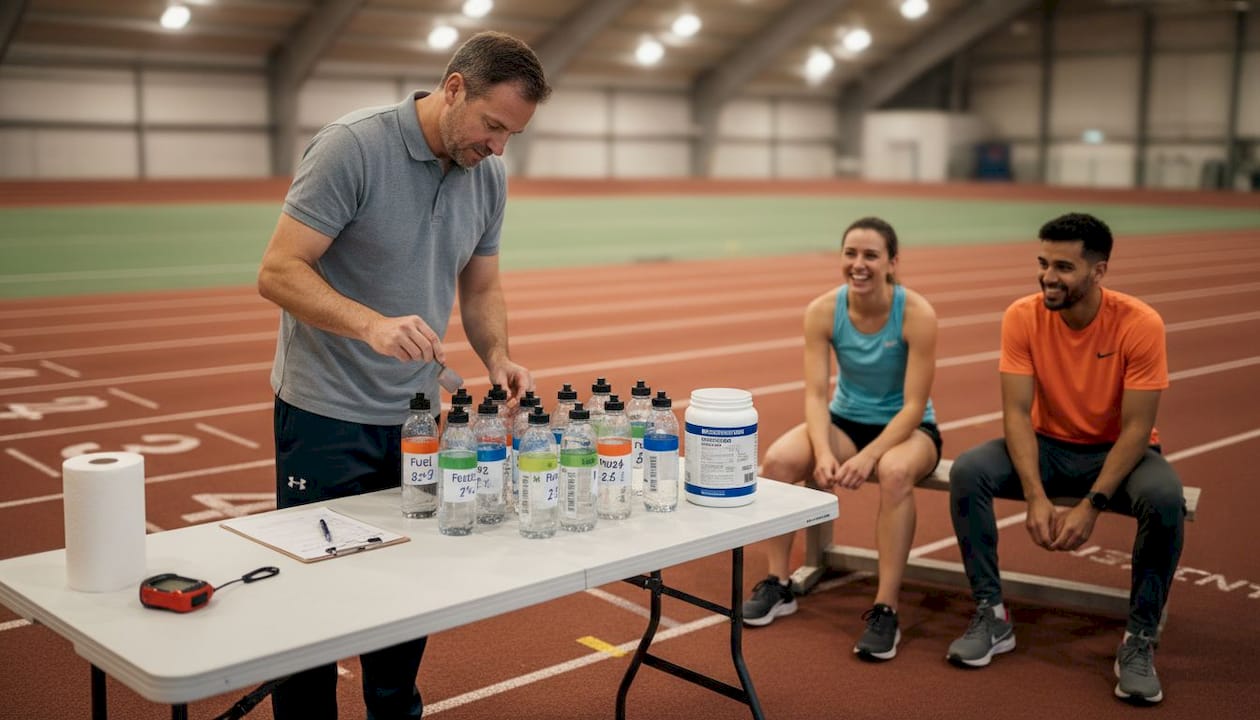
The distinction between these compounds matters because their mechanisms and effects differ substantially. Sodium citrate primarily acts as an extracellular buffer, potentially reducing hydrogen ion accumulation that contributes to fatigue. Citrulline malate supports vasodilation and may provide Krebs cycle intermediates, though its ergogenic effects stem more from citrulline than malate alone. Neither directly increases citric acid availability within the Krebs cycle in ways that translate to measurable performance improvements.
| Supplement | Primary mechanism | Typical dose | Evidence quality | Common side effects |
|---|---|---|---|---|
| Sodium citrate | Extracellular buffering | 0.3-0.5g/kg body weight | Moderate, inconsistent | Gastrointestinal distress, bloating |
| Sodium bicarbonate | Extracellular buffering | 0.3g/kg body weight | Strong, consistent | Gastrointestinal distress (lower incidence) |
| Citrulline malate | Nitric oxide production, metabolic support | 6-8g pre-workout | Moderate for endurance | Minimal at recommended doses |
Pros of sodium citrate supplementation:
- May improve performance in events lasting 1-10 minutes
- Provides sodium for electrolyte balance during intense efforts
- Potentially better tolerated than bicarbonate for some individuals
Cons of sodium citrate supplementation:
- Gastrointestinal distress occurs frequently at ergogenic doses
- Evidence quality lower than sodium bicarbonate for buffering
- Individual response varies significantly, making outcomes unpredictable
- Requires precise timing and dosing for potential benefits
Pro Tip: If you’re considering citrate supplements, trial them during training sessions that mimic competition intensity and duration. Monitor your tolerance carefully, noting any gastrointestinal symptoms or performance changes before committing to race day use.
For athletes interested in buffered electrolytes, understanding these distinctions helps you make informed choices about which supplements genuinely support your training goals versus which rely on metabolic associations without proven benefits.
Considerations for female athletes: physiological nuances and supplementation outcomes
Your physiology as a female athlete differs from male counterparts in ways that significantly influence how buffering supplements like sodium citrate affect performance. Female athletes typically have a lower proportion of type II muscle fibres, which produce less hydrogen ion accumulation during high-intensity exercise. This physiological difference means buffering supplements provide less benefit for women compared to men, as there’s simply less acidity to buffer.
Research specifically examining female athletes aged 30-50 remains limited, but available evidence suggests sodium bicarbonate tends to outperform sodium citrate when buffering benefits do occur. The mechanisms behind this advantage relate to bicarbonate’s more efficient buffering capacity and better pharmacokinetics. For women, the already-reduced effectiveness of buffering supplements makes choosing the most evidence-based option even more critical.
Gastrointestinal distress represents a significant practical barrier for female athletes considering sodium citrate. At effective doses around 0.5g per kilogram body weight, GI side effects are common, limiting practical use during training and competition. Women may experience these symptoms more acutely, and the risk-benefit calculation often favours alternative approaches or avoiding buffering supplements altogether.
Expert recommendation: For highly trained female athletes, sodium bicarbonate demonstrates superior efficacy and more consistent outcomes compared to sodium citrate for buffering applications. Given the physiological differences in hydrogen ion production and muscle fibre composition, female athletes should prioritise supplements with stronger evidence bases and better tolerability profiles.
Practical considerations before supplementing with citrate compounds:
- Assess your event duration and intensity to determine if buffering genuinely addresses a performance limiter
- Evaluate individual tolerance through systematic training trials, never during important competitions
- Consider hormonal cycle phase, as gastrointestinal sensitivity varies across menstrual phases
- Account for age-related changes in muscle composition and recovery capacity for athletes over 40
- Verify supplement purity and quality to avoid contamination or inaccurate dosing
Common pitfalls when female athletes supplement with buffering agents:
- Ignoring sex-specific physiological differences that reduce buffering effectiveness
- Failing to assess supplement purity, leading to inconsistent dosing and outcomes
- Overlooking individual variability in gastrointestinal tolerance and response
- Prioritising supplements over foundational nutrition and recovery strategies
- Assuming male-based research translates directly to female physiology
Pro Tip: Prioritise buffered electrolytes designed specifically for female athletes, ensuring purity and appropriate dosing. Quality matters enormously when marginal gains depend on precise supplementation without negative side effects that compromise training consistency.
Practical applications: optimising citric acid supplementation and alternatives for female athletes
If you’re determined to explore citric acid-related supplements despite the limited evidence, a systematic approach minimises risks and maximises your chance of identifying genuine benefits. Start by clearly defining your performance goals and identifying whether buffering or metabolic support genuinely addresses a limiter in your training or competition.
Alternative buffering supplements deserve serious consideration before committing to sodium citrate. Sodium bicarbonate shows stronger evidence for performance improvements in events lasting 1-10 minutes, with better tolerability for many athletes. Beta-alanine supports intracellular buffering through carnosine synthesis, offering benefits that accumulate over weeks of supplementation rather than acute pre-exercise dosing. Both alternatives have more robust research supporting their use in female athletes.
Your overall nutrition, hydration, and recovery strategies matter far more than any single supplement for supporting metabolic function. Adequate carbohydrate intake fuels Krebs cycle activity, whilst protein supports mitochondrial enzyme production and muscle repair. Quality sleep and stress management optimise hormonal environments that regulate energy metabolism and adaptation. These foundational habits create the physiological conditions where supplements might offer marginal gains.
Step-by-step approach to evaluating citric acid-related supplements:
- Identify specific performance goals and whether buffering or metabolic support addresses a genuine limiter in your training
- Research supplement forms thoroughly, distinguishing between sodium citrate, citrulline malate, and pure citric acid claims
- Assess individual tolerance through gradual introduction during low-stakes training sessions
- Monitor gastrointestinal symptoms, performance metrics, and recovery quality systematically over 4-6 weeks
- Compare outcomes against baseline performance and alternative supplement options like sodium bicarbonate
- Consult with a sports dietitian or physician familiar with female athlete physiology before competition use
- Maintain detailed records of dosing, timing, and outcomes to identify patterns and optimise protocols
Balanced supplementation priorities for female athletes in high-intensity sports:
- Ensure adequate protein intake (1.6-2.2g per kilogram body weight) to support recovery and adaptation
- Maintain consistent carbohydrate availability around training to fuel performance and replenish glycogen
- Prioritise electrolyte balance through diet and targeted supplementation during intense or prolonged efforts
- Consider evidence-based ergogenic aids like caffeine, creatine, and beta-alanine before experimental options
- Support overall health with vitamin D, iron status monitoring, and adequate micronutrient intake
Key habits maximising supplement benefits whilst minimising risks include timing supplementation around training for optimal absorption and effect, maintaining consistency in dosing and protocols to assess genuine impact, prioritising whole food nutrition as the foundation of metabolic support, and staying informed about emerging research specific to female athlete physiology. These practices ensure supplements complement rather than replace fundamental performance strategies.
For comprehensive guidance on structuring your supplementation within a broader performance plan, explore resources on pre-workout rituals for women athletes and sports nutrition for high-intensity training. These approaches integrate supplements intelligently within evidence-based training and nutrition frameworks.
Discover Interval’s starter bundle for natural performance support
Navigating supplement choices becomes simpler when you have access to curated, evidence-based products designed specifically for female athletes in high-intensity sports. Interval’s Starter Bundle combines pre-workout and electrolyte formulations using natural ingredients that support metabolic function and performance without unnecessary additives or unproven compounds.
Rather than experimenting with isolated supplements like sodium citrate that carry significant side effect risks and limited evidence, the Starter Bundle provides a comprehensive foundation for performance nutrition. Each product undergoes rigorous quality testing to ensure purity and accurate dosing, addressing the critical concerns female athletes face when selecting supplements. The formulations prioritise ingredients with strong research support for high-intensity training, helping you focus on performance rather than navigating conflicting supplement claims.
FAQ
What is the main function of citric acid in exercise metabolism?
Citric acid serves as a critical intermediate in the Krebs cycle, the metabolic pathway that generates ATP for muscle contraction and sustained energy output during exercise. This metabolic role occurs naturally within your cells and doesn’t depend on external supplementation. The citric acid your body produces internally drives energy production far more effectively than consuming citric acid supplements.
Can female athletes safely use sodium citrate to improve performance?
Sodium citrate may offer modest performance improvements in specific contexts, but gastrointestinal side effects occur frequently at effective doses around 0.5g per kilogram body weight. Female athletes experience reduced buffering benefits compared to males due to physiological differences in muscle fibre composition and hydrogen ion production. Trial any buffering supplement carefully during training before considering competition use, and expect individual responses to vary significantly.
How does citric acid differ from citrulline malate in sports supplements?
Citric acid functions as a metabolic intermediate in energy production, whilst citrulline malate combines the amino acid citrulline with malic acid to support nitric oxide production and potentially provide Krebs cycle substrates. Citrulline malate has more established ergogenic effects than pure citric acid supplementation, primarily through enhanced blood flow and reduced ammonia accumulation. The two compounds serve different physiological functions despite their metabolic associations.
Are there natural ways to support the Krebs cycle without supplements?
Maintaining a balanced diet rich in B vitamins, magnesium, and quality carbohydrates supports optimal Krebs cycle function without supplementation. Adequate hydration, quality sleep, and progressive training adaptations enhance mitochondrial density and enzyme activity that drive energy production. These foundational strategies deliver more consistent and sustainable performance improvements than isolated supplement interventions for most female athletes.
Why might sodium bicarbonate work better than sodium citrate for female athletes?
Sodium bicarbonate demonstrates superior buffering capacity and more consistent performance outcomes in research, with a stronger evidence base supporting its use in high-intensity exercise. Female athletes’ lower hydrogen ion production during intense efforts means buffering supplements provide limited benefits overall, making the choice of the most effective option even more important. Bicarbonate also tends to cause fewer gastrointestinal issues at effective doses compared to citrate for many individuals.