


Natural supplement intake guide for female athletes 2026
Female athletes aged 30 to 50 face unique challenges when optimising recovery and performance in high-intensity sports. Hormonal fluctuations, increased recovery demands, and the need for sustained energy make choosing the right supplements critical. Natural options offer targeted benefits without harsh side effects, supporting everything from muscle repair to stress management. This guide helps you build a safe, effective supplement routine tailored to your training needs, with evidence-backed timing strategies and plant-based solutions that work with your body’s natural rhythms.
Table of Contents
- Understanding Natural Supplements And Their Benefits
- Timing Your Supplement Intake For Maximum Performance
- Choosing Plant-Based Supplements To Boost Endurance And Recovery
- Building A Personalised Natural Supplement Routine
- Discover Interval’s Starter Bundle For Natural Performance
- FAQ
Key takeaways
| Point | Details |
|---|---|
| Natural supplements enhance recovery | Plant-based options reduce muscle damage and improve sleep quality without synthetic additives. |
| Timing maximises benefits | Pre-workout and post-workout windows optimise nutrient absorption and performance gains. |
| Plant-based nitrates boost power | Beetroot and red spinach extracts increase endurance and reduce exercise-induced blood pressure. |
| Personalisation is essential | Adjust intake based on menstrual cycle phases, training intensity, and individual tolerance. |
Understanding natural supplements and their benefits
Natural supplements are derived from whole food sources, botanical extracts, and minerals that support athletic performance without synthetic additives. For female athletes in their 30s to 40s, these supplements address specific physiological needs like hormonal balance, bone density maintenance, and enhanced recovery from high-intensity training. Unlike synthetic alternatives, natural performance boosters work synergistically with your body’s existing processes, reducing the risk of adverse reactions whilst delivering measurable results.
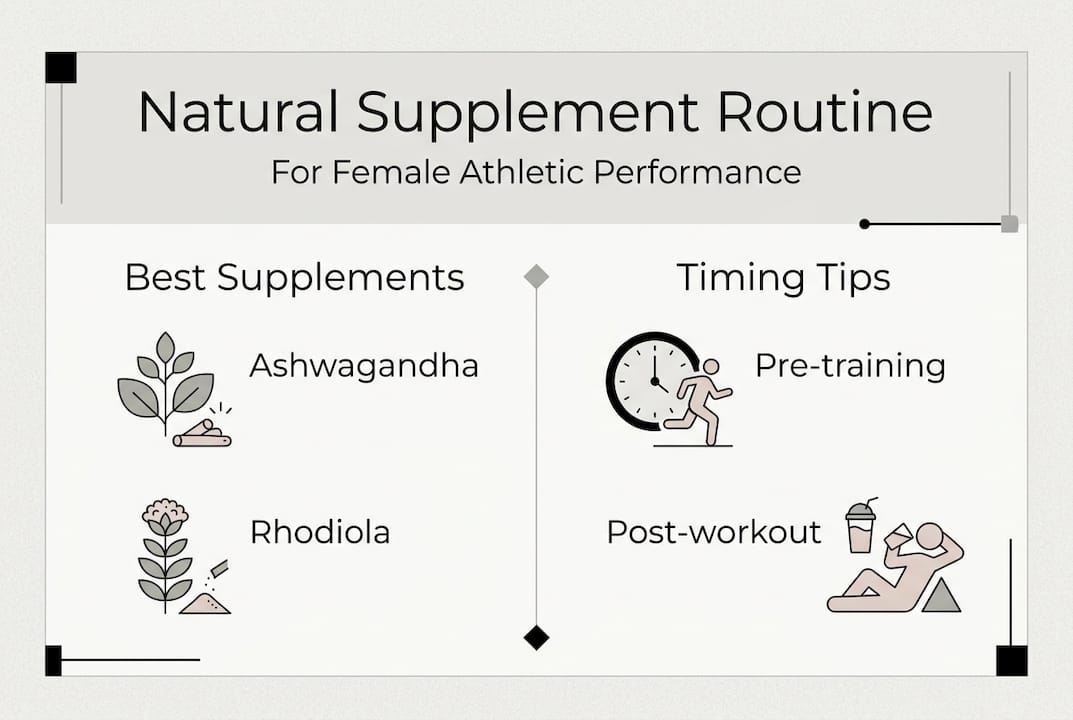
Three standout natural supplements have gained scientific backing for female athletes. Ashwagandha root extract stands out for stress recovery and sleep quality. Ashwagandha extract benefits show that 600 mg daily for 28 to 42 days improves perceived recovery, sleep quality, and stabilises stress responses in female athletes during high-intensity training. This adaptogenic herb helps regulate cortisol levels, which is particularly valuable when training stress compounds with life demands.
Rhodiola rosea offers endurance benefits by enhancing oxygen utilisation and reducing fatigue perception. Studies show it increases time to exhaustion and improves reactive strength in recreationally active women. Dietary nitrates from beetroot and red spinach extracts boost power output by improving blood flow and oxygen delivery to working muscles. These plant-based compounds convert to nitric oxide in the body, widening blood vessels and reducing the oxygen cost of exercise.
When selecting natural supplements, prioritise products with transparent labelling that specify extract standardisation and active compound concentrations. Look for third-party testing certifications to ensure purity and potency. Start with single-ingredient supplements before trying blends, making it easier to identify what works for your body. Natural options typically require consistent use over weeks to show full effects, unlike stimulant-based products that provide immediate but short-lived energy spikes.
Pro Tip: Track your supplement intake alongside training logs and recovery metrics like sleep quality and muscle soreness. This helps identify which natural supplements deliver the most noticeable benefits for your specific training demands and recovery patterns.
Timing your supplement intake for maximum performance
When you take supplements matters as much as what you take, especially for female athletes managing hormonal fluctuations and intense training schedules. Your body’s nutrient absorption and utilisation vary throughout the day and across your menstrual cycle. Strategic timing ensures supplements reach peak effectiveness when your muscles, nervous system, and recovery processes need them most.
Supplement timing strategies show that pre-training supplements like B vitamins, magnesium, and iron increase energy, whilst post-training protein and anti-inflammatories aid recovery. Creatine remains flexible, with 3 to 5 grams daily proving effective without loading phases for women. Pre-workout timing focuses on energy substrate availability and blood flow enhancement. Take B vitamins 30 to 60 minutes before training to support energy metabolism. Magnesium consumed an hour pre-workout helps prevent cramping and supports muscle contraction efficiency. Iron, if supplementing for deficiency, works best taken separately from calcium-rich foods to maximise absorption.
Post-workout represents your most critical supplementation window. Within 30 to 90 minutes after training, your muscles show heightened sensitivity to nutrients. Protein intake during this period supports muscle protein synthesis, particularly important for female athletes who may have different amino acid requirements than men. Anti-inflammatory compounds from tart cherry or curcumin reduce exercise-induced muscle damage and accelerate recovery between sessions. Timing these supplements immediately post-workout capitalises on increased blood flow to muscles.

Creatine offers flexibility that suits busy schedules. Unlike the loading protocols often recommended for men, women respond well to consistent daily doses of 3 to 5 grams taken at any time. Some athletes prefer post-workout consumption with carbohydrates to enhance uptake, whilst others take it with breakfast for convenience. The key is daily consistency rather than precise timing.
Follow this timing framework for optimal results:
- Take B-complex vitamins and magnesium 30 to 60 minutes before training with a light snack.
- Consume beetroot or red spinach extract 90 to 120 minutes pre-workout for peak nitric oxide production.
- Drink protein within 30 minutes post-training, aiming for 20 to 25 grams from quality sources.
- Add anti-inflammatory supplements like tart cherry immediately after intense sessions.
- Take creatine daily at a consistent time, regardless of training schedule.
- Consume iron supplements away from calcium and with vitamin C to enhance absorption.
Adjust timing based on your menstrual cycle phase. During the luteal phase and perimenopause, when progesterone rises and metabolism shifts, you may benefit from slightly higher protein intake and earlier pre-workout fuelling. Pre-workout timing explained offers additional strategies for synchronising supplement intake with your body’s natural rhythms. Monitor how different timing strategies affect your energy levels, workout quality, and recovery. What works perfectly in your follicular phase might need adjustment during your luteal phase.
Pro Tip: Set phone reminders for supplement timing until it becomes routine. Pair supplement intake with existing habits like morning coffee or post-workout showers to build consistency without relying on willpower alone.
Choosing plant-based supplements to boost endurance and recovery
Plant-based supplements offer female athletes powerful performance benefits backed by rigorous scientific research. These natural compounds work through multiple mechanisms, from enhancing oxygen delivery to reducing inflammation and oxidative stress. Unlike synthetic alternatives, plant-based options provide complementary nutrients and phytochemicals that support overall health whilst targeting specific athletic goals.
Rhodiola rosea stands out for endurance enhancement. Rhodiola rosea benefits demonstrate that 150 mg daily of salidroside for four weeks enhances endurance, reactive strength, and reduces muscle damage whilst increasing free fatty acids in recreationally active women. This adaptogenic herb helps your body utilise fat for fuel during prolonged exercise, sparing glycogen stores for high-intensity efforts. It also modulates stress hormones that can interfere with recovery and performance.
Beetroot and red spinach extracts deliver performance gains through dietary nitrates. Red spinach extract improves cycling time-trial performance and reduces post-exercise blood pressure in women. These dietary nitrate benefits include enhanced muscle contractility, improved oxygen efficiency, and reduced perceived exertion during intense efforts. The nitric oxide produced from these extracts widens blood vessels, delivering more oxygen and nutrients to working muscles.
| Supplement | Daily dose | Primary effects | Duration for results |
|---|---|---|---|
| Rhodiola rosea | 150 mg salidroside | Endurance, reduced muscle damage, fat utilisation | 4 weeks |
| Beetroot extract | 400-500 mg nitrates | Power output, blood flow, oxygen efficiency | 5-7 days |
| Tart cherry | 480 mg concentrate | Muscle recovery, inflammation reduction, sleep quality | 7-10 days |
| Pomegranate | 1000 mg extract | Antioxidant protection, blood flow, muscle soreness | 2-3 weeks |
Tart cherry concentrate provides potent anti-inflammatory and antioxidant compounds that accelerate recovery between training sessions. Studies show it reduces muscle soreness, improves sleep quality through natural melatonin content, and decreases markers of muscle damage after intense exercise. For female athletes training multiple times weekly, tart cherry helps maintain consistent performance by shortening recovery windows.
Pomegranate extract offers broad-spectrum benefits through its polyphenol content. These compounds protect cells from oxidative damage during high-intensity exercise, support cardiovascular function, and may enhance muscle blood flow. The antioxidant capacity of pomegranate complements other plant-based supplements, creating a comprehensive recovery support system.
Additional recovery benefits from plant-based supplements include:
- Reduced delayed-onset muscle soreness allowing more consistent training frequency
- Enhanced sleep quality through natural compounds like melatonin and adaptogens
- Improved immune function during heavy training blocks when illness risk increases
- Better management of exercise-induced inflammation without blocking beneficial adaptations
- Support for bone health through mineral content and anti-inflammatory effects
Beetroot extract for performance demonstrates how natural nitrate sources deliver measurable improvements in power output and endurance capacity. When selecting plant-based supplements, choose standardised extracts that specify active compound concentrations. This ensures consistent dosing and predictable effects. Whole food powders offer nutritional benefits but may not provide therapeutic levels of key compounds.
Combine multiple plant-based supplements strategically. Rhodiola and beetroot work synergistically for endurance events, whilst tart cherry pairs well with any supplement routine for recovery support. Start with one supplement at a time to assess individual tolerance and benefits before building a comprehensive stack.
Building a personalised natural supplement routine
Creating an effective supplement routine requires systematic planning that accounts for your training goals, dietary intake, hormonal fluctuations, and individual response patterns. Female athletes aged 30 to 50 face unique considerations including perimenopause transitions, bone density maintenance, and recovery demands that differ from younger athletes. A personalised approach ensures supplements complement rather than complicate your nutrition and training.
Follow these steps to build your natural supplement routine:
- Assess your current diet and identify genuine nutritional gaps through food logging or professional analysis.
- Define specific performance goals like improved endurance, faster recovery, or better sleep quality.
- Select one to three foundational supplements that address your primary needs and have strong research backing.
- Introduce supplements individually over two to three weeks to monitor tolerance and effects.
- Track objective metrics like training performance, recovery time, sleep quality, and energy levels.
- Adjust dosing and timing based on menstrual cycle phases, with higher protein intake of 1.4 to 2.2 grams per kilogram daily, especially during luteal phase and perimenopause, plus flexible creatine dosing.
- Review your routine quarterly and modify based on training phase, life stress, and measured outcomes.
Key considerations when building a supplement routine naturally include:
- Whole food sources should form your nutritional foundation before adding concentrated supplements
- Consult a sports dietitian or physician before starting, especially if taking medications or managing health conditions
- Monitor for side effects like digestive discomfort, headaches, or sleep disruption when introducing new supplements
- Avoid supplement interactions by spacing iron away from calcium and checking contraindications with medications
- Consider cycle-specific needs, increasing protein and potentially iron during menstruation when losses increase
- Account for perimenopause symptoms like disrupted sleep or increased inflammation with targeted supplements
Pro Tip: Start with half the recommended dose for the first week when introducing any new supplement. This gradual approach helps identify tolerance issues and allows your body to adapt, reducing the risk of digestive upset or other side effects.
Before starting any new supplement routine, consult with a qualified healthcare professional, especially if you have existing health conditions, take medications, or are pregnant or breastfeeding. Individual responses vary, and professional guidance ensures safety and effectiveness.
Your supplement needs will shift with training intensity and life circumstances. During heavy training blocks, emphasise recovery-focused supplements like tart cherry and protein. In maintenance phases, reduce supplementation and rely more on whole food nutrition. Pay attention to how supplements affect your menstrual cycle, energy levels, and recovery patterns. Some women notice enhanced benefits from certain supplements during specific cycle phases.
Transition to natural supplements gradually if switching from synthetic products. Your body may need time to adjust to different absorption rates and mechanisms of action. Natural supplements often work more subtly than synthetic stimulants, building benefits over consistent use rather than providing immediate effects. Give each supplement at least four weeks of consistent use before evaluating its effectiveness, as many natural compounds require time to reach therapeutic levels in your system.
Document your supplement routine in a dedicated journal or app, noting doses, timing, and any observed effects. This record becomes invaluable when assessing what works and troubleshooting issues. Share this information with your healthcare team to ensure coordinated care and avoid potential interactions with medical treatments.
Discover Interval’s starter bundle for natural performance
If you’re ready to experience the benefits of natural supplementation without the guesswork, Interval’s Starter Bundle offers a scientifically formulated solution designed specifically for female athletes pursuing high-intensity training. This carefully curated collection combines pre-workout support with essential electrolytes, all using natural ingredients that align with the evidence-based strategies covered in this guide.
The bundle delivers comprehensive support for your training demands. Each product contains research-backed ingredients at effective doses, eliminating the need to source and combine multiple individual supplements. You’ll find beetroot extract for nitric oxide production, natural caffeine sources for sustained energy, and electrolyte blends that support hydration without artificial additives. The formulations account for female-specific needs, providing balanced support for both performance and recovery.
Key benefits of the Starter Bundle include:
- Scientifically supported ingredient doses based on female athlete research
- Natural energy sources without synthetic stimulants or harsh additives
- Convenient pre-measured servings that simplify supplement timing
- Third-party tested formulations ensuring purity and potency
- Comprehensive support for pre-workout energy and exercise hydration
The Interval starter bundle provides an ideal starting point for athletes new to natural supplementation or those looking to streamline their current routine. Instead of purchasing multiple products and calculating complex dosing schedules, you receive a complete system designed to work together. This integrated approach ensures optimal timing and ingredient synergy whilst maintaining the natural, clean supplementation philosophy that supports long-term health alongside athletic performance.
FAQ
How do natural supplements improve female athletic performance?
Natural supplements support hormonal balance, reduce muscle damage, and enhance energy metabolism through compounds that work with your body’s existing processes. They provide targeted nutrients that address female-specific needs like iron status, bone density, and stress hormone regulation. Unlike synthetic alternatives, natural options deliver benefits without disrupting endocrine function or creating dependency.
When is the best time to take natural supplements for training?
Pre-training supplements like B vitamins, magnesium, and beetroot extract work best 30 to 90 minutes before exercise to support energy production and blood flow. Post-training protein and anti-inflammatory compounds should be consumed within 30 minutes after finishing to capitalise on enhanced nutrient uptake. Creatine can be taken at any consistent time daily, as total body stores matter more than acute timing.
Are plant-based supplements effective for high-intensity sports recovery?
Scientific studies demonstrate that plant-based options like tart cherry, rhodiola, and pomegranate significantly reduce muscle damage markers and accelerate recovery between training sessions. These supplements provide antioxidant and anti-inflammatory benefits that support tissue repair without blocking beneficial training adaptations. Research specifically in female athletes shows measurable improvements in recovery time and subsequent performance.
Do I need to adjust supplement intake during different menstrual cycle phases?
Yes, your nutritional needs fluctuate across your cycle due to hormonal changes affecting metabolism and recovery. During the luteal phase and menstruation, increase protein intake to 1.4 to 2.2 grams per kilogram and consider additional iron if you experience heavy periods. Some women benefit from higher magnesium doses pre-menstrually to manage cramping and mood changes. Track how you respond to supplements across your cycle to identify optimal timing and dosing patterns.