


The role of hydration in recovery: 2026 guide
TL;DR:
- Proper hydration is essential for muscle repair, glycogen replenishment, and waste removal after exercise.
- Monitoring hydration through urine tests, body weight, and urine colour ensures optimal recovery and reduces fatigue.
Hydration in recovery is defined as the process of restoring and maintaining fluid balance to support the physiological repair your body undergoes after intense exercise. The role of hydration in recovery extends far beyond simply quenching thirst. Water drives nutrient transport, clears metabolic waste, and enables muscle protein synthesis. Without it, your body cannot complete the repair cycle efficiently. The American College of Sports Medicine and a 2026 Journal of Education, Health and Sport systematic review both confirm that hydration strategies improve cardiovascular function and thermoregulation in physically active people. Even small fluid deficits carry real consequences for how quickly and fully you recover.
How hydration supports muscle recovery and repair
Hydration and muscle recovery are inseparable at the cellular level. Water is a direct requirement for muscle protein synthesis and anabolic signalling. Without sufficient fluid, muscle cells shift towards protein breakdown rather than repair, slowing the entire recovery process.
Three core physiological functions depend on adequate hydration after training:
- Protein synthesis: Water facilitates the chemical reactions that rebuild damaged muscle fibres. Dehydrated cells cannot sustain the anabolic environment needed for repair.
- Glycogen replenishment: Glycogen storage requires water. For every gram of glycogen stored, your muscles hold roughly 3 grams of water alongside it. Rehydrating after training directly supports carbohydrate restoration.
- Waste clearance: Exercise produces metabolic byproducts including lactate and inflammatory mediators. Adequate blood volume, maintained through hydration, clears these from muscle tissue faster.
Dehydration reduces blood volume, which cuts the delivery of oxygen and nutrients to damaged fibres. This is why dehydration impairs anabolic signalling and delays recovery. The soreness you feel two days after a hard session is not caused by dehydration itself, but inadequate fluid slows the clearance of the inflammation driving that soreness.
Pro Tip: Drink 500ml of water or an electrolyte drink within 30 minutes of finishing your session. This window is when blood flow to muscles remains elevated, making fluid and nutrient uptake most efficient.
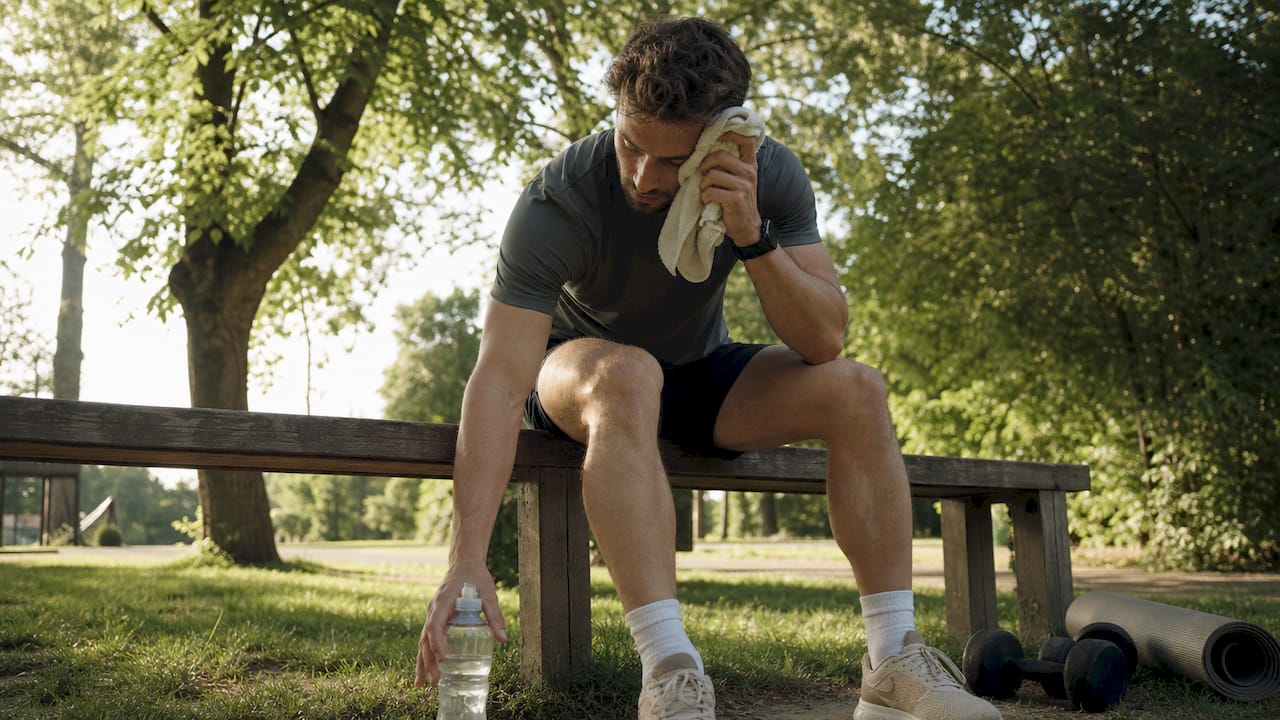
Hydration also supports joint lubrication and connective tissue health. Tendons and cartilage are largely avascular, meaning they rely on fluid movement for nutrient delivery. High-intensity athletes who neglect post-session hydration accumulate a deficit that compounds across training blocks.
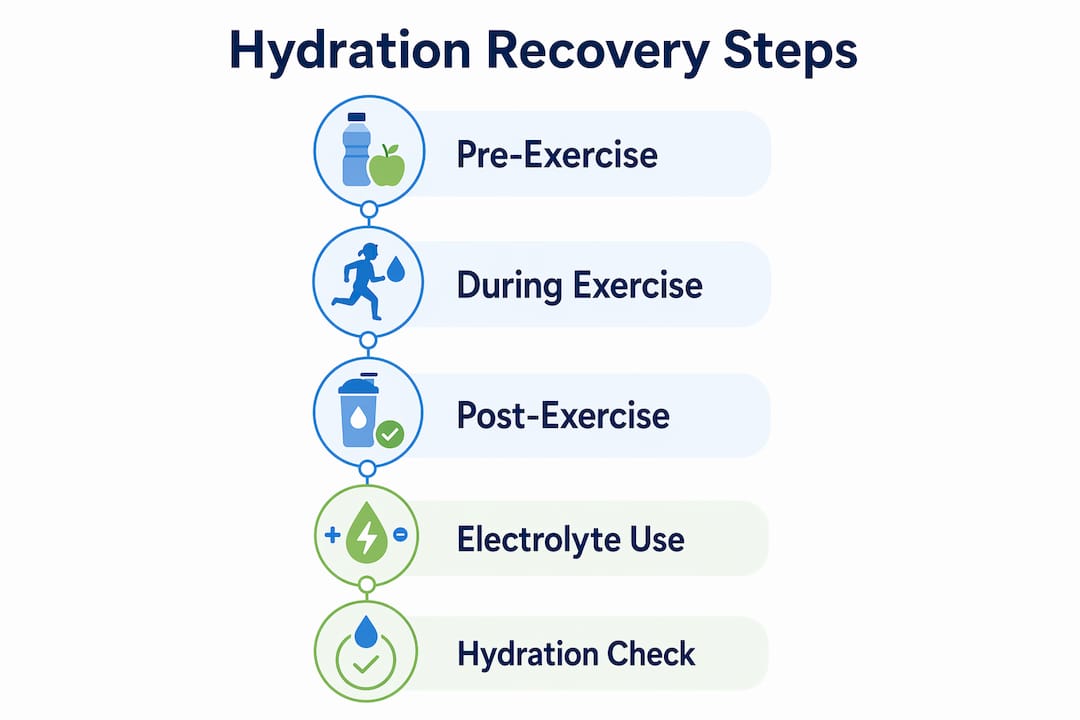
What are the best hydration strategies before, during, and after exercise?
Practical hydration for athletic performance follows a three-phase model: before, during, and after training. Each phase serves a distinct purpose in protecting and accelerating recovery.
Before exercise: Arriving well hydrated is the single most controllable hydration variable. Research shows that pre-exercise hydration improves executive control during moderate exercise, independent of core temperature changes. Better cognitive function during training means better movement quality and lower injury risk, both of which directly affect recovery demand.
During exercise: Follow this sequence to maintain fluid balance mid-session:
- Drink 400–600ml of fluid in the two hours before training begins.
- Consume 120–240ml (roughly 4–8 ounces) every 15–20 minutes during exercise.
- Match fluid intake to sweat rate where possible, particularly in hot or humid conditions.
- Include sodium in drinks lasting longer than 60 minutes to support fluid retention.
- Weigh yourself before and after training. Every kilogram lost represents approximately one litre of fluid deficit.
After exercise: Post-exercise rehydration targets 125–150% of fluid lost due to ongoing losses from urine and metabolic processes after you stop training. This means if you lost one kilogram during a session, you should aim to drink 1.25–1.5 litres over the following hours.
| Phase | Target Volume | Key Focus |
|---|---|---|
| Pre-exercise | 400–600ml in the 2 hours prior | Arrive well hydrated |
| During exercise | 120–240ml every 15–20 minutes | Match sweat rate |
| Post-exercise | 125–150% of fluid lost | Restore and retain |
Pro Tip: Sip fluids steadily after training rather than drinking large volumes at once. Rapid intake overwhelms the gut’s absorption capacity and increases urine output, reducing the amount your body actually retains.
Water vs. electrolytes: which rehydration strategy works better?
Water alone is not always sufficient for full recovery. Sweat contains electrolytes, primarily sodium, potassium, magnesium, and chloride. Replacing fluid without replacing these minerals risks diluting the electrolytes remaining in your blood, a condition known as hyponatraemia. This is particularly relevant for athletes completing sessions longer than 60 minutes or training in heat.
Sodium in rehydration fluids primarily improves fluid retention and drinking comfort rather than being universally required after every workout. This is a meaningful distinction. For a 30-minute gym session in a cool environment, water is adequate. For a Hyrox event, a long run, or back-to-back training days, electrolytes become critical.
The comparison below shows how the two approaches differ in practice:
| Rehydration Option | Best For | Key Benefit | Limitation |
|---|---|---|---|
| Water only | Short sessions under 60 minutes | Simple, accessible | No electrolyte replacement |
| Water plus electrolytes | Sessions over 60 minutes, heat, repeated days | Fluid retention, cramp reduction | Requires planning |
| Electrolyte drink with sodium | Endurance events, high sweat rate athletes | Palatability, retention, performance | Unnecessary for light sessions |
Individual sweat electrolyte loss varies considerably. Some athletes are “salty sweaters” who lose significantly more sodium per litre of sweat than average. These individuals are at higher risk of cramping and performance decline when rehydrating with water alone. If you regularly experience cramps or feel flat despite drinking enough water, your electrolyte strategy is the likely culprit. The post-workout electrolytes guide from Useinterval covers the specific functions of each mineral in detail.
Understanding electrolyte ratios for optimal hydration is particularly relevant for Hyrox athletes and those competing in multi-stage events where cumulative fluid and mineral losses are substantial.
How can you measure your hydration status accurately?
Thirst is a poor hydration indicator. By the time you feel thirsty, you are already experiencing a fluid deficit that is affecting your physiology. The CDC confirms that mild dehydration causes concentration difficulties, mood changes, and overheating before thirst becomes noticeable. For athletes, this means relying on thirst alone leaves performance and recovery on the table.
Three practical methods give you reliable hydration data:
- Urine specific gravity (USG): A USG reading below 1.018 indicates adequate hydration. A reading above 1.018 signals insufficient hydration. USG strips are inexpensive and available from most sports nutrition retailers. USG measurement is the most objective field-based marker available to athletes.
- Urine colour: Pale straw yellow indicates good hydration. Dark amber signals a deficit. This method is less precise than USG but requires no equipment.
- Body mass change: Weigh yourself before and after training in minimal clothing. A loss of 1% body mass or more indicates a fluid deficit requiring targeted rehydration. This method also gives you a personalised baseline for future sessions.
Pro Tip: Track your pre- and post-session weight for two weeks across different conditions. You will quickly identify your personal sweat rate and can build a hydration plan that is specific to your body rather than based on generic guidelines.
Monitoring hydration status transforms your approach from reactive to proactive. Athletes who measure consistently report fewer energy crashes in the days following hard sessions. The athletic rehydration guide from Useinterval provides a practical framework for building this habit into your training routine.
Key takeaways
Adequate hydration is the single most accessible lever active individuals have for accelerating post-exercise recovery, and most people are not using it correctly.
| Point | Details |
|---|---|
| Hydration drives muscle repair | Water is required for protein synthesis, glycogen storage, and waste clearance after training. |
| Dehydration compounds across sessions | A 2% body-mass fluid loss measurably impairs recovery, fatigue resistance, and strength. |
| Post-exercise targets exceed sweat loss | Drink 125–150% of fluid lost to account for ongoing urine and metabolic losses. |
| Electrolytes matter for longer sessions | Water alone risks hyponatraemia in sessions over 60 minutes or in heat. |
| Thirst is too slow a signal | Use urine colour, USG, or body mass change to monitor hydration status accurately. |
Why most athletes are still getting hydration wrong
Most athletes I work with treat hydration as an afterthought. They drink when thirsty, grab water post-session, and wonder why their legs feel heavy three days into a training block. The problem is not effort. It is timing and measurement.
The biggest mistake I see is starting sessions already dehydrated. You cannot catch up mid-session. Once you are behind, your cardiovascular system is working harder, your cognitive function is compromised, and the recovery debt starts accumulating before you have even finished training. Arriving well hydrated is the single highest-return habit you can build.
The second mistake is treating all sessions the same. A 40-minute strength session and a two-hour Hyrox prep run are not equivalent hydration events. One needs water. The other needs sodium, potassium, and a structured rehydration plan. I have seen athletes who drink plenty of water still cramp and fatigue because they never addressed their electrolyte losses.
Weighing yourself before and after training feels like an extra step, but it takes 30 seconds and gives you data that no generic hydration chart can match. Do it for two weeks and you will know your sweat rate, your electrolyte needs, and exactly how much to drink after each session type. That specificity is what separates athletes who recover well from those who grind through fatigue.
Hydration does not work in isolation. Pair it with adequate sleep, protein intake, and structured rest. But of all the recovery variables, it is the cheapest, fastest, and most consistently neglected.
— Tom
Build your recovery hydration habit with Useinterval
If this article has made one thing clear, it is that recovery hydration requires more than a bottle of water. You need the right electrolytes, in the right amounts, at the right time.
Useinterval’s Starter Bundle is built specifically for high-intensity athletes who want to take their recovery seriously. It combines natural-ingredient electrolytes with a pre-workout formulated to support performance and recovery from the first rep to the final cool-down. Every product in the bundle is designed around the hydration and recovery principles covered in this guide. If you are training hard and want to stop leaving recovery gains on the table, the Starter Bundle is the place to start.
FAQ
What is the role of hydration in recovery?
Hydration in recovery restores fluid balance and supports muscle protein synthesis, glycogen replenishment, and metabolic waste clearance. Without adequate fluid, these repair processes slow significantly.
How much should you drink after exercise?
Post-exercise rehydration targets 125–150% of fluid lost, accounting for ongoing losses after training stops. Weigh yourself before and after sessions to calculate your personal fluid deficit.
Does dehydration affect muscle soreness?
Dehydration does not directly cause muscle soreness, but it slows the clearance of inflammatory mediators that drive it. Better hydration means faster resolution of post-exercise soreness.
When should you use electrolytes instead of water?
Electrolytes are necessary for sessions exceeding 60 minutes, training in heat or humidity, or back-to-back training days. Sodium improves fluid retention and reduces cramping risk in these conditions.
How do you know if you are well hydrated before training?
A urine specific gravity below 1.018 indicates adequate hydration. Pale straw-coloured urine is a reliable visual marker when USG testing is not available.