


What Is Caffeine Tolerance? 15-Day Cycle Boosts 4% Power
Athletes can lose up to 90% of caffeine’s performance benefits after just two weeks of daily use. This rapid tolerance development challenges the assumption that consistent caffeine intake maintains peak performance. For Hyrox athletes relying on caffeine to power through demanding workouts, understanding tolerance mechanisms and implementing strategic cycling protocols becomes essential to preserve ergogenic effects and optimize recovery.
Table of Contents
- Introduction To Caffeine Tolerance
- Mechanisms Of Caffeine Tolerance
- Timeline And Impact Of Tolerance On Performance
- Genetic And Individual Variation In Tolerance
- Common Misconceptions About Caffeine Tolerance
- Managing Caffeine Intake For Optimal Performance
- Conclusion And Practical Takeaways
- Optimize Your Performance With Interval’s Pre-Workout Solutions
- Frequently Asked Questions About Caffeine Tolerance
Key Takeaways
| Point | Details |
|---|---|
| Tolerance Timeline | Performance benefits decline significantly within 15 days of daily caffeine consumption |
| Biological Mechanism | Adenosine receptor upregulation and gene expression changes reduce caffeine’s stimulatory effects |
| Genetic Variation | CYP1A2 polymorphisms determine metabolism speed, affecting individual tolerance development |
| Side Effect Profile | Blood pressure tolerance develops within 8 days, but sleep disruption may persist beyond 20 days |
| Strategic Management | Caffeine cycling every 2-3 weeks preserves performance benefits and minimizes negative effects |
Introduction to Caffeine Tolerance
Caffeine tolerance represents the body’s adaptive response to regular caffeine consumption, resulting in diminished physiological and psychological effects over time. This phenomenon differs fundamentally from caffeine sensitivity and allergy. Sensitivity reflects genetic variation in how quickly your body metabolizes caffeine, while allergy involves immune system reactions. Tolerance, by contrast, develops through neurological adaptations that blunt caffeine’s impact regardless of metabolism speed.
For Hyrox athletes, caffeine serves as a powerful ergogenic aid. It enhances power output, delays fatigue, and sharpens mental focus during high-intensity intervals. The compound works by blocking adenosine receptors in your central nervous system, which normally signal tiredness. When adenosine cannot bind to its receptors, you experience increased alertness and reduced perception of effort.
Caffeine tolerance develops rapidly due to receptor and gene expression changes, reducing stimulant effects. Understanding these physiological shifts becomes critical when planning your training nutrition strategy.
Key differences between related conditions:
- Tolerance: Reduced effect from repeated exposure, reversible with abstinence
- Sensitivity: Genetic variation affecting metabolism speed and symptom intensity
- Allergy: Immune response causing histamine release and potential anaphylaxis
- Dependence: Physical adaptation causing withdrawal symptoms upon cessation
Recognizing these distinctions helps you interpret your body’s responses accurately and adjust your caffeine strategy accordingly.
Mechanisms of Caffeine Tolerance
The neurological basis of tolerance centers on adenosine receptor dynamics in your brain. With repeated caffeine exposure, your central nervous system compensates by increasing adenosine receptor density, particularly A1 and A2A subtypes. This upregulation means more receptors compete for available caffeine molecules, diluting the blocking effect that creates alertness.
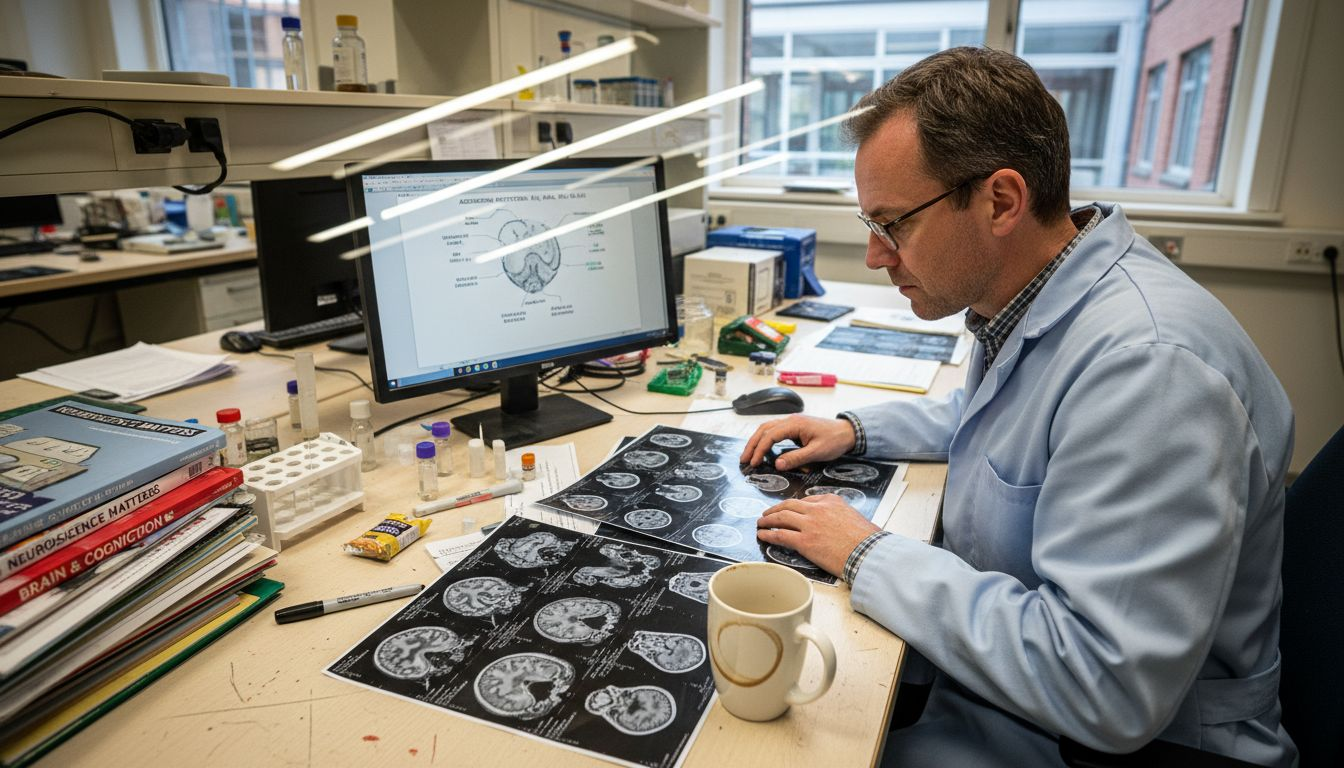
Adaptive changes in receptor density and gene expression in brain regions diminish caffeine’s stimulatory effects after approximately 14 days. Gene expression alterations extend beyond receptor changes. Studies show modifications in genes regulating neurotransmitter systems, cellular energy metabolism, and stress response pathways. These molecular adaptations create a new homeostatic baseline that treats caffeine presence as normal rather than stimulating.
Pharmacokinetic changes also contribute. Your liver enzymes may become more efficient at metabolizing caffeine with chronic use, reducing its half-life and duration of action. However, this effect appears smaller than neurological adaptations in most individuals.
The withdrawal reversal hypothesis explains a puzzling observation. Withdrawal reversal accounts for much of caffeine’s alerting effects in habitual users, indicating habituation and tolerance. Regular users who consume caffeine may simply be reversing withdrawal symptoms rather than gaining net performance enhancement. This mechanism suggests that perceived benefits in daily users partly reflect avoiding withdrawal fatigue rather than true ergogenic effects.
Pro Tip: Track your subjective alertness ratings during continuous caffeine use. A gradual decline over two weeks signals developing tolerance and indicates when cycling might restore effectiveness.
Mechanisms underlying tolerance development:
- Adenosine receptor upregulation creating caffeine resistance
- Gene expression changes affecting neurotransmitter signaling
- Metabolic enzyme adaptations accelerating caffeine clearance
- Withdrawal symptom development masking net benefits
Understanding these biological processes empowers you to time natural caffeine intake strategically and maintain genuine performance advantages.
Timeline and Impact of Tolerance on Performance
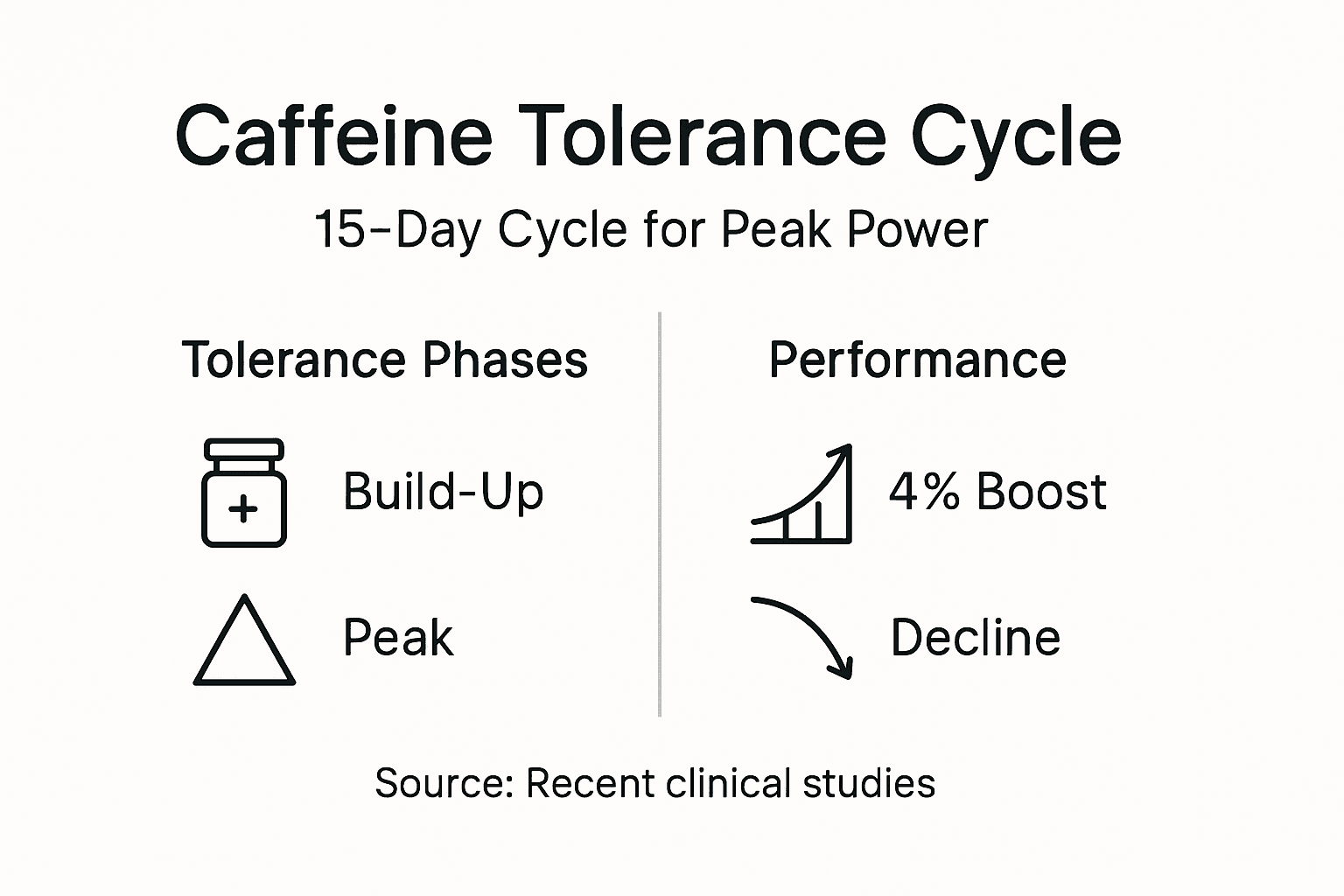
Tolerance develops on a precise timeline with measurable performance consequences. Research demonstrates that peak cycling power improves approximately 4.0% with caffeine for about 15 days before benefits decline. This timeline matters tremendously for competition planning. If you consume caffeine daily during training, you may enter race day with diminished ergogenic response exactly when you need peak effect.
The timeline varies across different caffeine effects. Tolerance to blood pressure elevation develops within 8 days, while nervousness and insomnia may persist beyond 20 days. This differential tolerance creates a problematic scenario where performance benefits fade while sleep disruption continues, potentially impairing recovery.
| Effect | Tolerance Timeline | Implications for Athletes |
|---|---|---|
| Performance Enhancement | 15 days | Ergogenic benefits decline significantly |
| Blood Pressure Elevation | 8 days | Cardiovascular adaptations occur quickly |
| Nervousness/Anxiety | >20 days | Psychological effects persist longer |
| Sleep Disruption | >20 days | Recovery may remain impaired |
Common tolerance symptoms affecting athletic performance:
- Reduced alertness despite usual caffeine dose
- Diminished exercise motivation and drive
- Need for progressively higher doses to achieve similar effects
- Persistent fatigue between caffeine doses
- Sleep quality deterioration impacting recovery
These symptoms create a cascade effect. Poor sleep from evening caffeine disrupts recovery. Fatigue from inadequate rest drives increased caffeine consumption. Higher intake accelerates tolerance development. Breaking this cycle requires strategic intervention.
The performance implications extend beyond simple power output. Caffeine affects reaction time, decision making under fatigue, and pain perception. As tolerance develops, you lose these cognitive and focus benefits that distinguish elite performance in technically demanding sports like Hyrox.
Genetic and Individual Variation in Tolerance
Your genetic makeup profoundly influences how quickly tolerance develops and how intensely you experience caffeine effects. The CYP1A2 gene primarily determines caffeine metabolism speed. Gene variants create half-life ranges from approximately 3 to 7+ hours. Fast metabolizers clear caffeine quickly, experiencing shorter but more intense effects. Slow metabolizers maintain elevated caffeine levels longer, extending both benefits and potential sleep disruption.
The AHR gene regulates CYP1A2 expression, adding another layer of genetic control. Together, these polymorphisms create distinct metabolizer phenotypes with practical implications for dosing and timing strategies.
Genetic variation affects tolerance development speed. Fast metabolizers may develop tolerance more slowly because their receptors experience shorter caffeine exposure periods. Conversely, slow metabolizers sustain receptor blockade longer, potentially accelerating adaptive upregulation. However, individual responses vary beyond simple metabolism speed.
Factors influencing individual tolerance patterns:
- CYP1A2 genotype determining metabolism rate
- Baseline adenosine receptor density and distribution
- Lifestyle factors including sleep quality and stress levels
- Training intensity and frequency affecting metabolic demands
- Dietary components that inhibit or induce metabolic enzymes
Pro Tip: Experiment with caffeine timing relative to workouts. If you notice effects lasting 6+ hours, you likely metabolize caffeine slowly and should avoid afternoon consumption to protect sleep quality.
This genetic variability explains why athletes respond differently to identical caffeine protocols. One athlete might maintain benefits for weeks while another develops tolerance within days. Personalized performance strategies account for these differences through systematic self-tracking rather than following generic recommendations.
Common Misconceptions about Caffeine Tolerance
Several persistent myths confuse athletes attempting to optimize caffeine use. Clarifying these misconceptions prevents counterproductive strategies and helps you interpret your body’s signals accurately.
-
Tolerance equals addiction: Tolerance represents a physiological adaptation, while addiction involves compulsive use despite negative consequences. You can develop tolerance without meeting addiction criteria. However, physical dependence causing withdrawal symptoms often accompanies tolerance.
-
Tolerance and sensitivity are the same: Tolerance differs from sensitivity through distinct physiological mechanisms. Sensitivity reflects how intensely you react to a given dose based on genetics. Tolerance describes diminishing effects over time regardless of initial sensitivity.
-
Tolerance is permanent: Tolerance reverses with abstinence. Receptor density normalizes within 7-12 days of caffeine withdrawal, restoring responsiveness. This reversibility enables strategic cycling protocols.
-
Higher doses overcome tolerance: Increasing dosage provides temporary relief but accelerates tolerance development and increases side effect risk. This approach creates a problematic escalation cycle.
-
Withdrawal reversal provides net benefits: Regular users may misinterpret withdrawal symptom relief as performance enhancement. True ergogenic effects occur beyond simply avoiding withdrawal fatigue.
-
Caffeine intolerance indicates allergy: Intolerance involves digestive or metabolic responses without immune system activation. True caffeine allergy remains extremely rare and produces histamine-mediated symptoms like hives or breathing difficulty.
Understanding these distinctions clarifies whether you experience tolerance, sensitivity, withdrawal, or another phenomenon. This knowledge guides appropriate interventions. For example, if you have genetic caffeine sensitivity, lower doses rather than cycling frequency become the primary management strategy.
Managing Caffeine Intake for Optimal Performance
Strategic caffeine management preserves ergogenic benefits while minimizing tolerance and side effects. Evidence-based approaches focus on cycling, timing, and comprehensive hydration support.
Effective caffeine cycling strategies:
- Periodic abstinence: Eliminate caffeine for 7-12 days every 3-4 weeks to reset receptor sensitivity
- Strategic competition prep: Maintain low intake during base training, then implement targeted use during competition phases
- Dose variation: Alternate between higher and lower doses rather than consistent daily amounts
- Selective use: Reserve caffeine for key workouts rather than consuming it daily
Timing considerations optimize both performance and recovery. Consume caffeine 45-60 minutes before high-intensity sessions to align peak blood levels with workout demands. Avoid intake within 6 hours of sleep for slow metabolizers, 4 hours for fast metabolizers. This timing protects sleep quality, which directly impacts tolerance development through stress response pathways.
Natural caffeine sources provide gentler absorption curves compared to isolated caffeine, potentially moderating tolerance development. Green tea delivers caffeine alongside L-theanine, which smooths stimulant effects and may slow receptor adaptation.
Hydration balance becomes critical when using caffeine. While caffeine’s diuretic effect is modest in habitual users, combining caffeine intake with electrolyte-rich fluids supports optimal performance and recovery. Dehydration exacerbates caffeine side effects and may accelerate tolerance through stress pathway activation.
Pro Tip: Maintain a training log tracking caffeine dose, timing, perceived workout quality, and sleep duration. Patterns emerge within 2-3 weeks revealing your optimal protocol.
Practical implementation steps:
- Start with baseline caffeine-free performance testing
- Introduce caffeine strategically for key sessions only
- Monitor subjective energy and sleep quality indicators
- Implement planned cycling before tolerance symptoms appear
- Enhance focus naturally during low-caffeine periods through other evidence-based methods
These strategies maintain caffeine effectiveness while supporting overall training quality. Athletes who manage sensitivity proactively report more consistent performance and better recovery markers.
Conclusion and Practical Takeaways
Caffeine tolerance develops through measurable neurological adaptations that significantly impact athletic performance within 15 days of daily use. The biological mechanisms involve adenosine receptor upregulation, gene expression changes, and metabolic adaptations that collectively reduce caffeine’s ergogenic effects. Genetic variation creates individual differences in both metabolism speed and tolerance development rate, requiring personalized approaches.
The differential timeline of tolerance across various effects creates challenges. Performance benefits fade while sleep disruption persists, potentially impairing recovery. Strategic management through cycling protocols, precise timing, and comprehensive hydration support preserves caffeine’s advantages for competition and key training sessions.
Actionable steps to maintain caffeine performance benefits:
- Implement caffeine-free periods every 3-4 weeks to reset receptor sensitivity
- Time caffeine intake 45-60 minutes before key workouts, avoiding consumption within 4-6 hours of sleep
- Track subjective responses to identify your personal tolerance timeline
- Reserve daily caffeine use for competition phases while maintaining lower intake during base training
- Combine caffeine strategies with sleep optimization and stress management for comprehensive performance support
Understanding tolerance mechanisms empowers you to extract maximum value from caffeine as an ergogenic aid while avoiding the performance decline that accompanies unchecked daily consumption.
Optimize Your Performance with Interval’s Pre-Workout Solutions
Navigating caffeine tolerance requires more than knowledge. It demands supplements formulated with your adaptation patterns in mind. Interval’s no side-effect pre-workout combines natural caffeine sources with complementary ingredients that support sustained energy without accelerating tolerance development.
Our formulations account for the biological mechanisms described throughout this guide. By balancing caffeine with adaptogens and performance compounds, Interval products help you maintain effectiveness during cycling phases. Explore our comprehensive pre-workout comparison to identify which formulation aligns with your metabolizer profile and training demands. Learn how natural caffeine strategies integrate with Interval’s approach to create sustainable performance enhancement.
Frequently Asked Questions About Caffeine Tolerance
What is the difference between caffeine tolerance and sensitivity?
Tolerance describes diminishing effects from repeated caffeine exposure due to receptor adaptations, while sensitivity reflects your genetic predisposition determining how intensely you respond to a given dose. You can develop tolerance regardless of whether you are naturally sensitive or insensitive to caffeine.
How long does it take for caffeine tolerance to develop?
Significant tolerance develops within approximately 15 days of daily caffeine consumption, with performance benefits declining measurably during this period. Some effects like blood pressure elevation show tolerance within 8 days, while sleep disruption may persist beyond 20 days.
Can I prevent caffeine tolerance buildup?
You can slow tolerance development through strategic cycling, using caffeine selectively rather than daily. Implementing caffeine-free periods of 7-12 days every 3-4 weeks allows receptor density to normalize, restoring responsiveness and preserving ergogenic effects for when you need them most.
Does caffeine tolerance affect sleep and recovery?
Tolerance creates a problematic pattern where performance benefits fade while sleep disruption persists. This differential timeline means you may lose training advantages while continuing to experience impaired recovery, making strategic management essential for athletes.
How do genetics influence my caffeine response?
CYP1A2 and AHR gene variants determine whether you metabolize caffeine quickly or slowly, affecting both the intensity and duration of effects. Fast metabolizers experience shorter effects and may develop tolerance more slowly, while slow metabolizers sustain elevated caffeine levels longer, potentially affecting both performance and sleep.
Should I cycle off caffeine before competitions?
Implementing a 7-12 day caffeine abstinence period before major competitions can restore full receptor sensitivity, maximizing ergogenic effects when performance matters most. This strategy works best when you maintain low baseline intake during training phases rather than consuming caffeine daily.