


Cellular hydration for women in high-intensity sport
Most female athletes know they should drink more water. But here’s what that advice misses: simply drinking more fluid does not guarantee your cells are actually hydrated. Cellular hydration, the water content inside your cells rather than just in your bloodstream, is what drives muscle function, recovery, and performance. For women doing high-intensity sport, this distinction is not academic. It is the difference between hitting a wall at kilometre eight and finishing strong. This guide breaks down what cellular hydration really means, how your unique female physiology shapes it, and what you can practically do to support it with natural strategies.
Table of Contents
- Understanding cellular hydration: Beyond just water
- How dehydration impacts performance in high-intensity sports
- Electrolytes: The engine for cellular hydration and performance
- Individual differences: Menstrual cycle, body composition, and your ideal hydration plan
- Practical steps: Building your natural cellular hydration routine
- Why personalisation beats standard advice in cellular hydration
- Take your next step: Upgrade natural hydration strategies
- Frequently asked questions
Key Takeaways
| Point | Details |
|---|---|
| Electrolytes matter most | Water alone is not enough; sodium, potassium, and magnesium are crucial for proper cellular hydration. |
| Track personal hydration | Monitor body mass and urine colour to tailor your routine for optimal hydration. |
| Personalise for your cycle | Adjust your electrolyte and fluid strategies according to your menstrual phase for peak performance. |
| Natural beats synthetic | Prioritising natural electrolyte sources and supplements improves health and athletic results. |
Understanding cellular hydration: Beyond just water
When most people think about hydration, they picture a water bottle. But true hydration happens at a cellular level, inside the trillions of cells that power your muscles, brain, and metabolism. Cellular hydration refers to the optimal water content within cells, maintained through osmosis and active electrolyte transport like the Na+/K±ATPase pump. That pump actively moves sodium out of cells and potassium in, creating the electrical gradients that keep cells functioning properly.
Osmosis is the process by which water moves across cell membranes from areas of lower solute concentration to higher. When electrolyte balance is off, water shifts away from where it is needed most, leaving cells under-hydrated even when you have consumed plenty of fluid. The result? Impaired metabolism, reduced muscle contraction efficiency, and slower recovery.
For female athletes, this process carries extra weight. Women generally have a higher extracellular water ratio compared to men, meaning more of your body water sits outside your cells. This makes the movement of water into cells more dependent on precise electrolyte signalling. Understanding the role of electrolytes is therefore not optional for serious female athletes; it is foundational.
| Hydration type | Where water sits | Key driver |
|---|---|---|
| General hydration | Blood, interstitial fluid | Fluid intake |
| Cellular hydration | Inside cells | Electrolyte balance + osmosis |
“Cellular hydration is not just about how much you drink. It is about whether your cells can actually hold and use that water to power performance.”
Cell volume matters beyond comfort. Well-hydrated cells support protein synthesis, nutrient uptake, and the metabolic reactions that fuel every sprint, lift, and interval. Dehydrated cells shrink, and that shrinkage triggers a cascade of impaired function that no amount of plain water can quickly reverse.
How dehydration impacts performance in high-intensity sports
Now that you understand the science behind cellular hydration, let us see what happens when things go wrong, especially in the midst of high-intensity training.
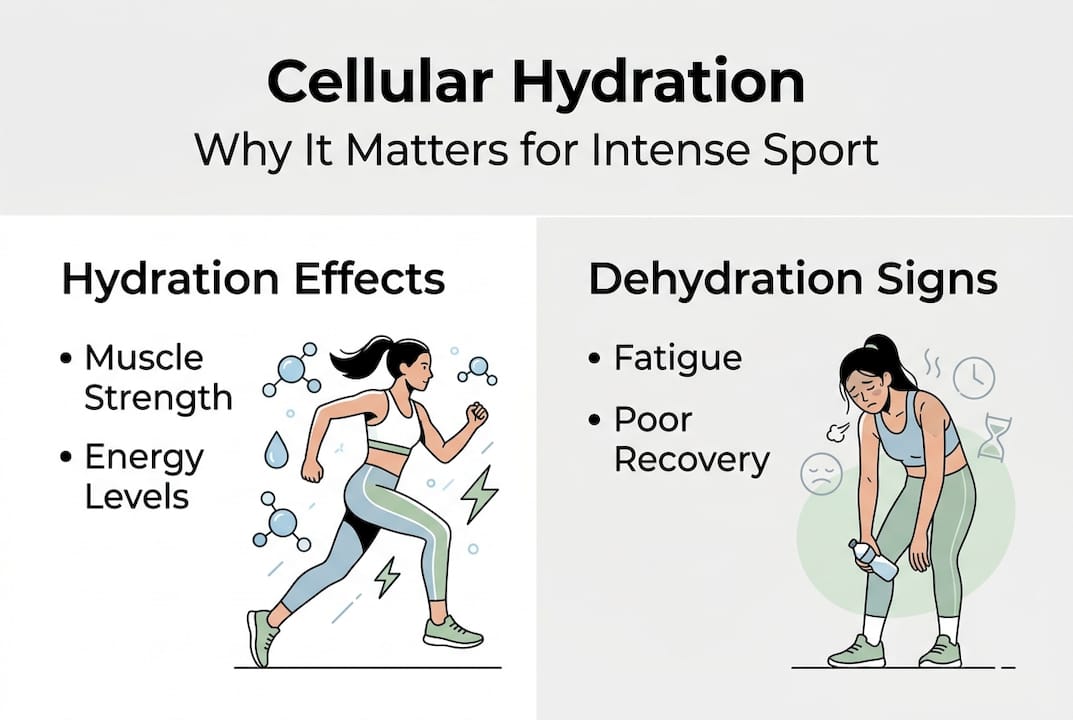
Dehydration causes cell shrinkage, impairing protein synthesis, nutrient uptake, and athletic performance. Female athletes typically sweat at around 0.6 litres per hour, and even body mass loss under 1% begins to affect performance. That is a surprisingly small margin before you start feeling it.
The signs are not always dramatic. You might notice:
- Persistent fatigue that does not match your training load
- Muscle cramps during or after sessions
- Slower recovery between intervals or training days
- Reduced focus and decision-making under pressure
- Elevated perceived effort at the same intensity
Practical biomarkers help you catch issues before they derail a session. Urine specific gravity (USG) below 1.020 before exercise suggests adequate hydration. Body mass loss greater than 2% is a red flag. Weigh yourself before and after training; every kilogram lost roughly equals one litre of fluid deficit.
| Indicator | Well-hydrated | Dehydrated |
|---|---|---|
| Urine colour | Pale yellow | Dark yellow/amber |
| USG | Below 1.020 | Above 1.025 |
| Body mass loss | Under 1% | Over 2% |
| Recovery rate | Fast | Noticeably slower |
Supporting muscle performance and electrolytes together is what separates athletes who recover well from those who accumulate fatigue across a training block. And your post-workout electrolytes strategy matters just as much as what you do before you train.
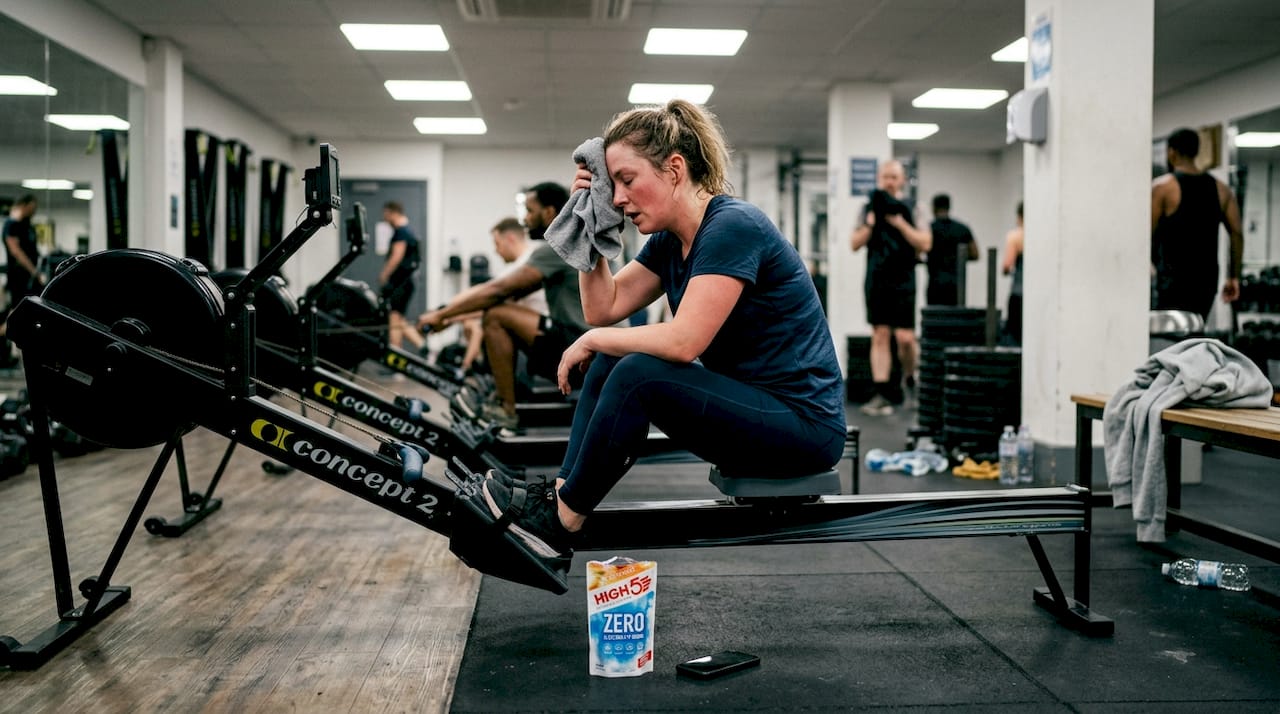
Pro Tip: Weigh yourself before and after every hard session for two weeks. If you are consistently losing more than 1.5% of body mass, your hydration strategy needs adjusting before you address anything else.
Electrolytes: The engine for cellular hydration and performance
Dehydration is not just about fluid loss. It is about the critical electrolytes that hold cellular hydration and athletic success together.
The four key players are sodium, potassium, magnesium, and chloride. Each has a specific role:
- Sodium draws water into cells and maintains blood volume. It is the primary driver of osmotic balance and the most depleted electrolyte in sweat.
- Potassium works with sodium inside the Na+/K±ATPase pump to maintain cell voltage and support muscle contractions.
- Magnesium supports over 300 enzymatic reactions, including those governing muscle relaxation and energy production.
- Chloride pairs with sodium to regulate fluid distribution and acid-base balance.
Electrolytes create osmotic gradients, and sodium supplementation before exercise increases fluid retention and improves time-trial performance. This is not just theory; it is measurable in race results.
The problem with plain water is that it can actually dilute your existing electrolytes when consumed in large quantities without food or supplementation. This is particularly relevant during events lasting longer than 60 to 90 minutes. You feel like you are doing the right thing, but you are inadvertently washing out the sodium your cells need to hold onto fluid.
Natural sources work well here. Coconut water, leafy greens, seeds, and whole foods provide a broad electrolyte profile. Natural electrolyte drinks made with real ingredients offer a practical alternative to sugar-laden commercial sports drinks. For athletes who want to know exactly what they are putting in their bodies, electrolyte-rich foods are a strong foundation.
“Most commercial sports drinks are built around marketing, not your cellular needs. The dose and source of electrolytes matter far more than the flavour.”
The goal is not to avoid all supplementation. It is to choose sources that match your body’s actual requirements without unnecessary synthetic additives.
Individual differences: Menstrual cycle, body composition, and your ideal hydration plan
Every athlete is unique. Tracking your own biology can give you a real advantage that generic advice simply cannot match.
Your menstrual cycle directly alters fluid balance. Sodium supplementation in the mid-luteal phase produces superior time-trial performance compared to other cycle phases, linked to hormonal shifts in fluid retention. Oestrogen and progesterone both influence how your kidneys handle sodium and water, meaning your hydration needs genuinely shift across the month.
Body composition adds another layer. Women with higher body fat percentages have a lower total body water ratio, which means less buffer against fluid loss. Athletes with more lean muscle mass hold more intracellular water, giving them a slight advantage during prolonged effort. Understanding your own fluid and electrolyte balance is the starting point for building a plan that actually works.
Here is a simple framework to personalise your approach:
- Track your cycle and note energy, thirst, and recovery quality across phases
- Increase sodium intake slightly in the mid-luteal phase (roughly days 15 to 28)
- Monitor body mass before and after sessions throughout the month
- Adjust fluid volume based on sweat rate, not a fixed daily target
- Note performance patterns to identify your best and most vulnerable training windows
Pro Tip: In your mid-luteal phase, add a small sodium-containing electrolyte drink before high-intensity sessions or events in the heat. Research shows this phase responds particularly well to sodium loading for performance.
An easy electrolyte workflow built around your cycle is far more effective than a static daily protocol that ignores your biology entirely.
Practical steps: Building your natural cellular hydration routine
With the science and personal factors covered, it is time to assemble a hydration routine you can actually use, naturally and effectively.
Here is a straightforward daily structure:
- Morning: Drink 400 to 500 ml of water with a pinch of sea salt or a natural electrolyte supplement on waking. This replenishes overnight losses and primes cellular hydration before breakfast.
- Pre-training (60 to 90 minutes before): Consume 500 ml of fluid with sodium. If training in the heat or for longer than 60 minutes, increase this to 600 to 700 ml.
- During training: Sip 150 to 200 ml every 15 to 20 minutes. For sessions over 60 minutes, use an electrolyte drink rather than plain water.
- Post-training: Rehydrate with 1.5 times the fluid lost (based on body mass). Include sodium and potassium to drive cellular rehydration rather than just replacing volume.
Prioritising electrolytes from natural sources improves hydration and performance while avoiding synthetic additives. Whole foods like avocado, spinach, bananas, and pumpkin seeds cover much of your daily electrolyte baseline.
Avoid the common pitfall of overhydration. Hyponatraemia, dangerously low blood sodium caused by drinking too much plain water, is a real risk in endurance events. More water is not always better. Understanding buffered electrolytes and optimising electrolyte intake will help you find the right balance for your training load.
Pro Tip: Mix 500 ml of water with a quarter teaspoon of sea salt, a squeeze of lemon, and a teaspoon of honey for a quick, natural electrolyte drink before a morning session. Simple, cheap, and genuinely effective.
Why personalisation beats standard advice in cellular hydration
Here is the uncomfortable truth: most hydration guidelines were developed using male subjects and then applied universally. The standard advice of eight glasses a day or a fixed sweat-replacement formula does not account for cycle-driven sodium retention, body composition differences, or the specific demands of high-intensity sport in women.
We have seen this play out repeatedly. Athletes who follow generic protocols plateau or struggle with unexplained fatigue, cramps, and inconsistent performance. Those who build a personalised electrolyte workflow around their cycle and training load see measurable improvements, not because the science is new, but because they are finally applying it to their actual biology.
The real shift is moving from passive hydration, drinking when thirsty and hoping for the best, to active cellular hydration management. That means tracking, experimenting, and being willing to challenge the advice that has never been designed with you in mind. Your performance deserves better than a one-size-fits-all approach.
Take your next step: Upgrade natural hydration strategies
If this guide has shifted how you think about hydration, the logical next step is putting it into practice with products built around the same principles.
At Interval, we have designed our electrolyte range specifically for female athletes in high-intensity sport, using natural ingredients that support cellular hydration without synthetic fillers. The Starter Bundle is the easiest way to begin: a curated combination of what you need to support your hydration before, during, and after training. It is science-aligned, straightforward to use, and built for athletes who take their performance seriously. Explore the full range and find the resources to build a hydration strategy that actually fits your biology.
Frequently asked questions
How is cellular hydration different from just drinking more water?
Cellular hydration focuses on water inside your cells, not just fluid intake, and relies on electrolytes to move and retain water for optimal performance. Cellular hydration is maintained through osmosis and active electrolyte transport, not volume alone.
What are the best signs that my hydration plan is working during training?
Look for less than 2% body mass loss, pale urine, and steady workout performance as indicators of effective cellular hydration. Monitoring USG below 1.020 before exercise is a reliable pre-session check.
Are natural electrolytes really better than synthetic sports drinks?
Natural sources of electrolytes support balance without artificial additives, benefiting both performance and long-term health. Prioritising natural sources helps maintain sodium, potassium, and magnesium balance without unnecessary chemicals.
Does the menstrual cycle really change how I should hydrate?
Yes. Certain cycle phases, particularly mid-luteal, increase sodium retention, requiring personalised hydration strategies for best sport performance. Sodium hyperhydration in mid-luteal phase produces measurably better time-trial results compared to other phases.
Can I overhydrate by focusing too much on water?
Yes. Excessive water intake can lower sodium levels dangerously, a condition called hyponatraemia. Always pair water with electrolytes to avoid this risk, particularly during events over 90 minutes. Electrolyte dilution from excess plain water is a well-documented performance and safety concern.