


What is delayed onset muscle soreness? Essential guide 2026
If you’ve ever blamed lactic acid for that post-workout pain radiating through your legs two days after interval training, you’re not alone. Many female athletes believe this myth, but the real culprit behind delayed onset muscle soreness is quite different. Understanding what truly causes DOMS, how it affects your body, and how to manage it effectively can transform your recovery strategy and keep you performing at your best throughout 2026.
Table of Contents
- What Causes Delayed Onset Muscle Soreness?
- How Is Delayed Onset Muscle Soreness Assessed And Diagnosed?
- How Does The Menstrual Cycle Affect Delayed Onset Muscle Soreness And Recovery?
- Strategies To Reduce Delayed Onset Muscle Soreness And Accelerate Recovery
- Discover Interval’s Starter Bundle For Optimal Recovery
- What Is Delayed Onset Muscle Soreness? Faq
Key takeaways
| Point | Details |
|---|---|
| DOMS causes | Primarily results from eccentric muscle contractions creating micro-tears, not lactic acid buildup. |
| Symptom timing | Pain and stiffness typically appear 24 to 72 hours after intense exercise, peaking around 48 hours. |
| Recovery support | Cryotherapy, vibration therapy, polyphenol antioxidants, and adequate protein accelerate healing. |
| Menstrual cycle impact | Inflammation markers vary across cycle phases, affecting fatigue levels and recovery needs. |
| Overtraining warning | Excessive or prolonged soreness may signal inadequate recovery or overtraining. |
What causes delayed onset muscle soreness?
When you push through that final set of box jumps or sprint interval, your muscles undergo significant stress. The primary driver of DOMS is eccentric muscle contractions, where your muscles lengthen whilst under tension. Think of the lowering phase of a squat or running downhill. These movements create microscopic tears in your muscle fibres.
Your body responds to these micro-tears with inflammation. White blood cells rush to the damaged area, releasing cytokines and other inflammatory markers that trigger the characteristic pain and stiffness you experience. This inflammatory response is essential for repair and adaptation, but it’s also why you feel worse before you feel better.
Here’s what actually happens during DOMS:
- Eccentric contractions cause mechanical stress on muscle fibres
- Microscopic tears develop in the muscle structure
- Inflammatory processes begin within hours but symptoms emerge later
- Peak discomfort arrives 24 to 72 hours post-exercise
- Muscle function temporarily decreases during the acute phase
The lactic acid myth persists despite clear evidence to the contrary. Lactic acid clears within an hour after exercise, long before DOMS symptoms appear. The real mechanism involves muscle damage and inflammation that unfolds over days, not minutes.
Pro Tip: DOMS intensity doesn’t necessarily correlate with workout quality. You can have an excellent training session without debilitating soreness the next day.
Unfamiliar movements trigger DOMS more readily than exercises you perform regularly. If you’re used to cycling but suddenly try CrossFit box jumps, expect more pronounced soreness. Your muscles adapt over time, reducing DOMS severity with consistent training patterns. This adaptation is why experienced athletes often experience less soreness than beginners, even when training at high intensity. Understanding this muscle endurance and EIMD relationship helps you gauge your training progression more accurately.
How is delayed onset muscle soreness assessed and diagnosed?
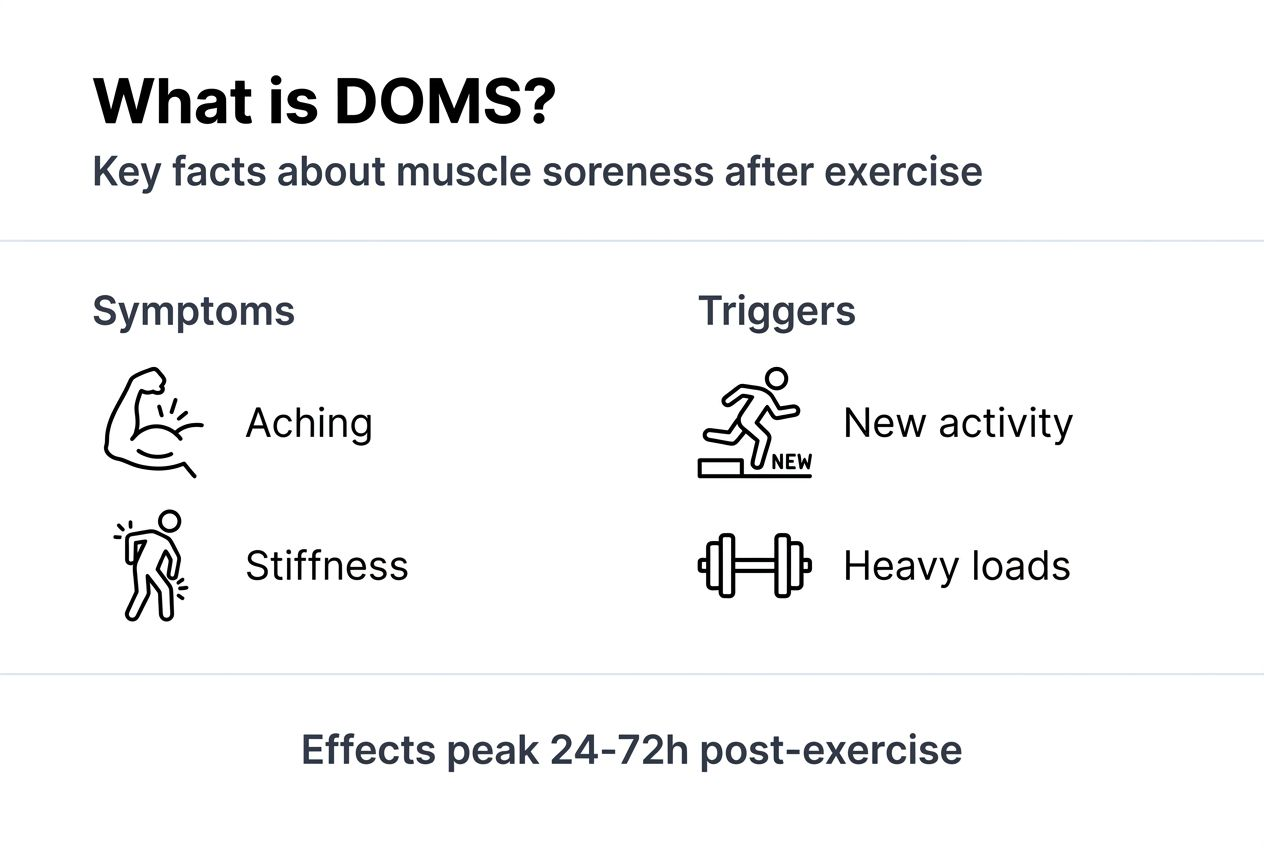
Recognising and measuring DOMS accurately helps you distinguish between normal muscle adaptation and potential injury. The assessment process combines subjective experiences with objective measurements to paint a complete recovery picture.
Primary DOMS symptoms include:
- Localised muscle tenderness when touched or moved
- Reduced range of motion in affected joints
- Muscle stiffness particularly noticeable after rest periods
- Temporary strength reduction in exercised muscles
- Swelling in severe cases
Beyond how you feel, biomarkers provide quantifiable data about muscle damage. Creatine kinase (CK) levels spike dramatically following intense eccentric exercise, sometimes reaching ten times baseline values. Interleukin-6 (IL-6), an inflammatory cytokine, also rises significantly. These markers help researchers and sports scientists track Exercise-induced muscle damage and recovery objectively.
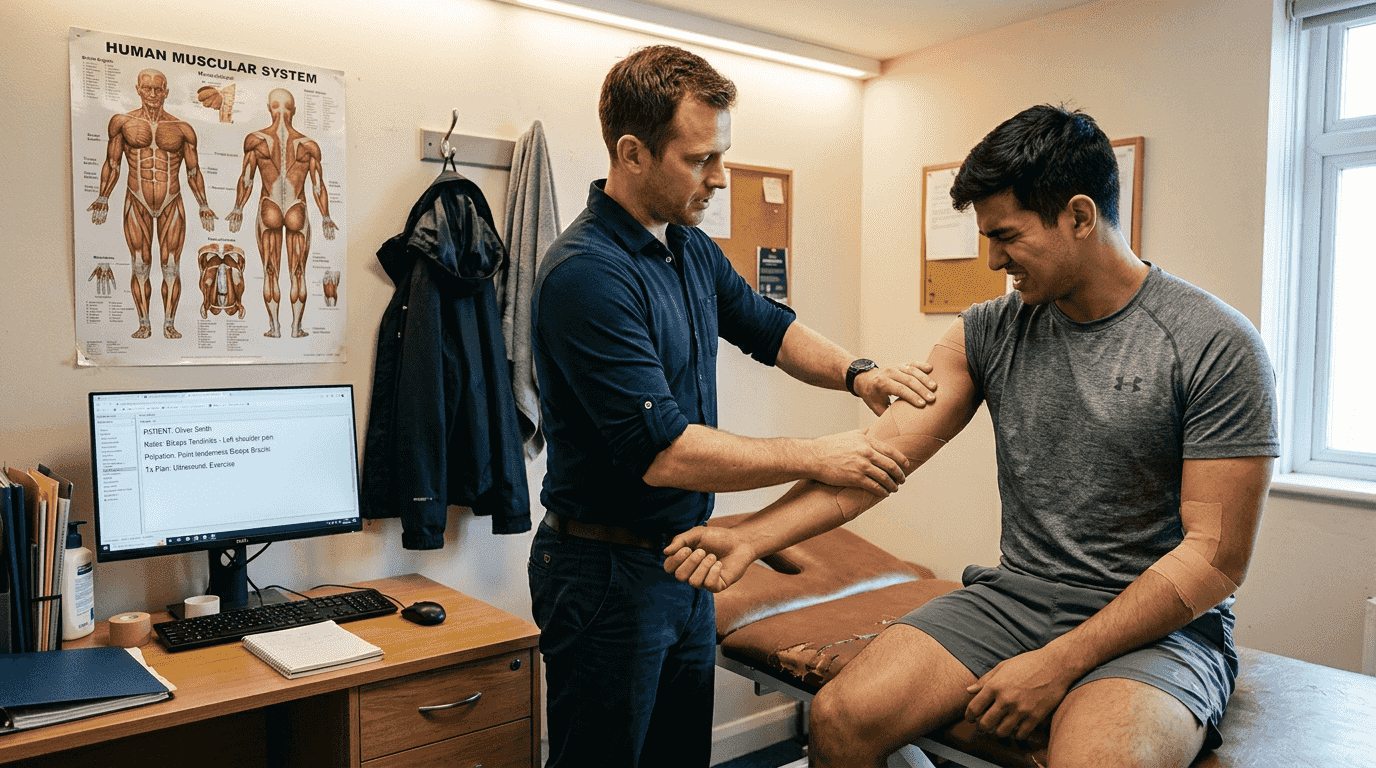
Advanced imaging techniques now allow visualisation of microstructural changes. 7T MRI and ultrasound reveal muscle changes invisible to standard examination, confirming DOMS diagnosis with remarkable precision.
| Assessment method | What it measures | Timeline |
|---|---|---|
| Pain scales | Subjective discomfort | Immediate |
| Range of motion tests | Joint mobility | 24 to 96 hours |
| CK blood levels | Muscle protein leakage | Peak at 24 to 72 hours |
| IL-6 markers | Inflammatory response | Peak at 6 to 24 hours |
| Imaging (MRI/ultrasound) | Structural damage | Any time post-exercise |
Accurate diagnosis matters because it helps you avoid confusing DOMS with actual injury. DOMS affects both sides of the body symmetrically and improves with light movement. Injury typically presents asymmetrically, worsens with activity, and may involve sharp pain rather than dull aching. Proper assessment ensures appropriate recovery protocols. The electrolyte role in recovery becomes clearer when you understand your body’s specific damage and inflammation patterns. If symptoms persist beyond five days or worsen despite rest, consult a professional for a comprehensive sports injury treatment guide.
How does the menstrual cycle affect delayed onset muscle soreness and recovery?
Your menstrual cycle introduces an additional layer of complexity to DOMS management that many training programmes overlook. Hormonal fluctuations throughout your cycle significantly influence inflammatory responses, fatigue levels, and recovery capacity.
Research reveals that neuromuscular fatigue and inflammatory responses vary by menstrual phase. Whilst DOMS pain perception remains relatively consistent across cycle phases, the underlying inflammatory markers tell a different story. The mid-luteal and late luteal phases show elevated inflammatory cytokines compared to the follicular phase.
Key menstrual cycle effects on DOMS:
- Follicular phase typically shows lower baseline inflammation
- Mid-luteal phase demonstrates increased IL-6 response to exercise
- Late luteal phase peaks higher inflammation markers like hs-CRP
- Recovery speed may vary by 20 to 30 percent across phases
- Perceived exertion differs even at identical training intensities
Pro Tip: Track your cycle alongside training intensity and DOMS severity for three months. You’ll identify personal patterns that inform smarter training periodisation.
These hormonal influences don’t mean you should avoid intense training during certain phases. Instead, adjust recovery strategies to match your body’s current state. During high-inflammation phases, prioritise sleep, increase anti-inflammatory nutrition, and consider additional recovery modalities. Understanding this connection helps you distinguish between normal cycle-related inflammation and genuine overtraining.
The practical application involves personalising your approach. If you consistently experience prolonged recovery during your late luteal phase, plan lighter training or extra rest days accordingly. This isn’t weakness, it’s intelligent programming. Supporting your body with minerals and DOMS recovery becomes particularly important during high-inflammation phases. Adequate protein for recovery helps your muscles repair regardless of cycle phase, but timing and quantity might need adjustment based on your inflammation levels.
Strategies to reduce delayed onset muscle soreness and accelerate recovery
Managing DOMS effectively combines multiple evidence-based approaches rather than relying on a single magic solution. The most successful athletes employ varied recovery strategies tailored to their training demands and individual responses.
Non-pharmacological interventions show impressive results. Cryosauna, vibration therapy, and polyphenol supplementation reduce DOMS symptoms whilst enhancing functional recovery. Vibration therapy deserves particular attention, as it significantly improves recovery and lowers IL-6 at 72 hours post-exercise, demonstrating both symptom relief and reduced inflammation.
| Recovery method | Effectiveness | Duration needed | Practicality |
|---|---|---|---|
| Cryosauna | High for pain reduction | 2 to 3 minutes | Requires facility access |
| Vibration therapy | High for function restoration | 15 to 30 minutes | Moderate, needs equipment |
| Percussive massage | Moderate to high | 10 to 15 minutes | High, portable devices available |
| Cold-water immersion | Moderate, variable results | 10 to 15 minutes | Moderate, requires setup |
| Polyphenol antioxidants | Moderate, cumulative benefit | Ongoing supplementation | High, simple to implement |
| Adequate protein intake | High for repair | Daily, 1.6 to 2.2g per kg | High, dietary planning |
Nutritional strategies provide accessible recovery support. Polyphenol-rich foods like berries, dark chocolate, and green tea contain compounds that combat oxidative stress and inflammation. Protein intake remains crucial, with research consistently showing that consuming adequate protein supports muscle repair and reduces DOMS duration.
Practical recovery protocol:
- Immediately post-workout: consume 20 to 40g protein within two hours
- First 24 hours: light active recovery like walking or swimming
- 24 to 72 hours: consider cold therapy or vibration if accessible
- Throughout recovery: maintain hydration and polyphenol-rich nutrition
- Sleep: prioritise seven to nine hours for optimal repair
Pro Tip: Don’t use cold-water immersion immediately after strength sessions if hypertrophy is your goal. Some evidence suggests excessive cooling may blunt adaptation signals.
Cold-water immersion remains popular but shows mixed results. Some athletes swear by it whilst others notice minimal benefit. Water temperature, immersion duration, and individual tolerance all affect outcomes. Experiment to find what works for your body. The key is consistency with whichever methods you choose. Supporting your recovery with antioxidant support for recovery provides a foundation that complements physical interventions. Understanding the complete post-workout recovery process helps you make informed decisions about which strategies deserve your time and resources.
Discover Interval’s starter bundle for optimal recovery
Managing DOMS effectively requires more than understanding the science. You need practical, convenient solutions that fit seamlessly into your training routine. Interval’s Starter Bundle brings together natural, evidence-based supplements designed specifically for female athletes pursuing high-intensity performance.
The bundle combines pre-workout support with electrolyte replenishment, using only natural ingredients without artificial additives. This approach aligns perfectly with the recovery strategies discussed throughout this guide. Proper electrolyte balance supports muscle function and reduces cramping, whilst targeted pre-workout nutrition prepares your body for intense effort. When you’re managing DOMS alongside demanding training, having reliable nutritional support removes guesswork from your routine. Explore the starter bundle for recovery to see how convenient, effective supplementation can complement your DOMS management strategy.
What is delayed onset muscle soreness? Faq
How long does delayed onset muscle soreness typically last?
DOMS usually peaks between 24 to 72 hours after exercise and resolves within five to seven days. Duration varies based on exercise intensity, your training history, and recovery strategies employed.
Can you prevent delayed onset muscle soreness completely?
Complete prevention isn’t possible or necessarily desirable, as some muscle stress drives adaptation. Gradual progression, proper warm-ups, and consistent training reduce severity significantly compared to sporadic intense efforts.
What is the difference between delayed onset muscle soreness and injury?
DOMS affects both sides symmetrically, improves with light movement, and presents as dull aching. Injuries typically occur on one side, worsen with activity, involve sharp pain, and may cause visible swelling or bruising.
Should you exercise with delayed onset muscle soreness?
Light activity often helps by increasing blood flow and reducing stiffness. Avoid intense training of the same muscle groups until soreness substantially decreases, but gentle movement and training other areas remains beneficial.
Does delayed onset muscle soreness mean your workout was effective?
Not necessarily. DOMS indicates unfamiliar stress but doesn’t correlate directly with muscle growth or fitness gains. Experienced athletes often achieve excellent results with minimal soreness through consistent, progressive training.
Why do some exercises cause more delayed onset muscle soreness than others?
Eccentric movements where muscles lengthen under load create more micro-tears than concentric contractions. Downhill running, lowering weights slowly, and plyometric landings produce more DOMS than steady-state cycling or swimming.
Recommended
- Post-Workout Recovery Process for Enhanced Athletic Results – Interval
- Complete Guide to the Role of Post-Workout Electrolytes – Interval
- What is muscle endurance? 25 reps for 30% better Hyrox results – Interval
- Complete Guide to Buffered Electrolytes for Athletes – Interval
- How Long Does it Take to Recover From Soreness After a Car Accident?
- Step by step physiotherapy guide for full recovery 2026