


How to boost HIIT performance with natural supplements
TL;DR:
- Women aged 30 to 50 often experience workout plateaus due to hormonal and metabolic changes.
- Key evidence-based supplements including creatine, caffeine, citrulline malate, and beetroot nitrate can enhance high-intensity training.
- Personalized tracking, proper timing, and gradual adjustments maximize effectiveness and long-term safety.
You train hard, you show up consistently, and yet your high intensity sessions feel like they’ve hit a wall. For women aged 30 to 50, this plateau is remarkably common and rarely down to effort alone. Hormonal shifts, changing recovery rates, and evolving metabolic demands all play a role. The good news is that a targeted, evidence-backed supplement strategy can break through that ceiling without resorting to synthetic shortcuts. This guide walks you through exactly how to identify your needs, choose the right natural supplements, integrate them smartly, and measure what’s actually working.
Table of Contents
- Understand your workout profile and set goals
- Choose evidence-based supplements for high intensity gains
- Integrate supplements effectively with your routine
- Monitor results and stay safe
- Our perspective: don’t overlook uniqueness and feedback
- Enhance your high intensity results with tailored support
- Frequently asked questions
Key Takeaways
| Point | Details |
|---|---|
| Creatine is king | For women aged 30–50, creatine offers reliably greater strength and lean mass gains than most alternatives. |
| Don’t skip monitoring | Regular tracking of progress and bone health ensures you benefit safely from new supplements. |
| Timing matters | Caffeine, beetroot, and citrulline work best when timed appropriately within your routine. |
| Individual results differ | What works for your performance may differ from others, so log and adjust based on your actual response. |
Understand your workout profile and set goals
Before you add anything to your routine, you need to know what your routine actually demands. A 45-minute HIIT circuit three times a week places very different stresses on your body than a twice-weekly HIFT (high intensity functional training) session or a sprint-based class. Frequency, intensity, and recovery windows all shape which supplements will genuinely move the needle for you.
Women aged 30 to 50 are navigating a physiological landscape that’s shifting in real time. Perimenopause and postmenopause bring changes to oestrogen and progesterone that directly affect muscle protein synthesis, bone density, and energy metabolism. As supplements for women 40+ research confirms, women in this age range benefit from supplements that support muscle, bone, and metabolic health, especially due to hormonal changes. That’s not a minor footnote. It’s the foundation of your entire supplement strategy.
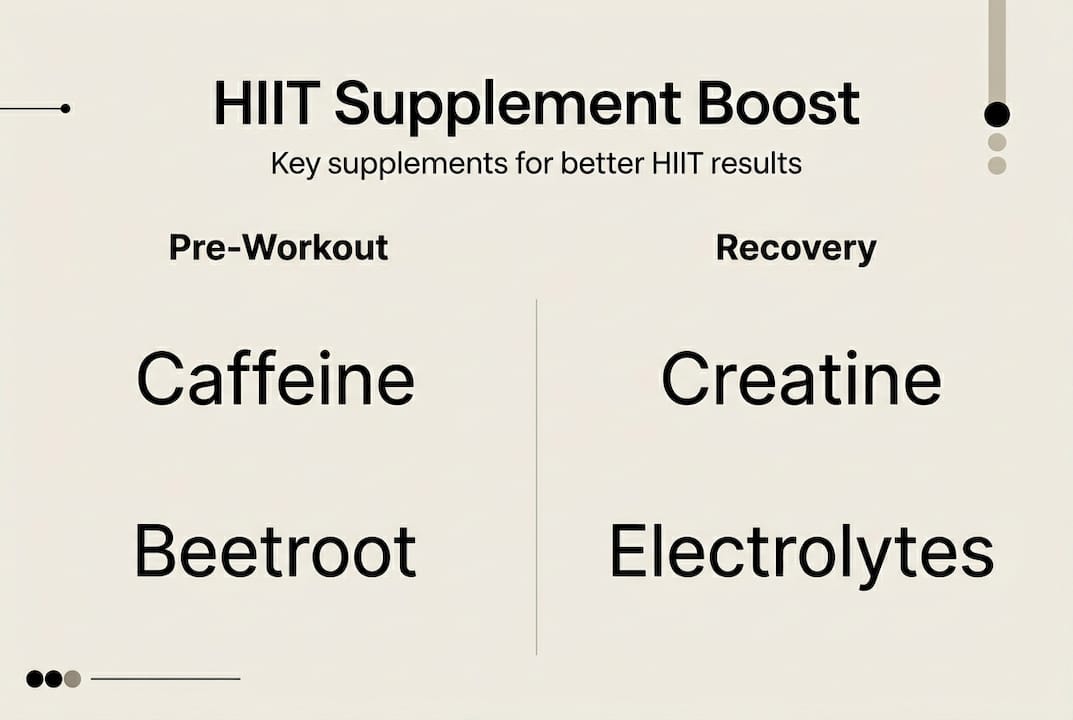
| Workout type | Primary demand | Key supplement goal |
|---|---|---|
| HIIT (cardio-based) | Cardiovascular endurance, fat metabolism | Caffeine, beetroot/nitrates |
| HIFT (strength + cardio) | Power output, muscle retention | Creatine, citrulline malate |
| Circuit training | Muscular endurance, recovery | Creatine, citrulline malate |
| Sprint intervals | Speed, anaerobic capacity | Caffeine, beetroot/nitrates |
Understanding HIIT nutrition for women is equally important because supplements work best when your overall fuelling strategy is solid. Supplements are not a fix for poor nutrition. They amplify what’s already working.
Key physiological changes affecting female athletes aged 30 to 50:
- Declining oestrogen reduces muscle protein synthesis efficiency
- Bone density begins to decrease, increasing injury risk
- Metabolic rate slows, affecting energy availability during sessions
- Recovery time lengthens due to hormonal and mitochondrial changes
- Cardiovascular adaptation to training may take longer
Pro Tip: Before changing anything, gather a baseline. Record your lift capacity, a timed effort (such as a 6-minute walk or a set of burpees), and a simple fatigue rating out of ten after each session for two weeks. This gives you real data to measure against later.
Choose evidence-based supplements for high intensity gains
With your goals clear, it’s time to choose the supplements that deliver real results. The natural supplement world is crowded with noise, so we’re cutting straight to the four options with the strongest evidence for women doing high intensity training.
| Supplement | Recommended dose | Main benefits | Signs it’s working |
|---|---|---|---|
| Creatine monohydrate | 3 to 5g daily | Strength, lean mass, power | Faster reps, less fatigue |
| Caffeine | 3 to 6mg per kg bodyweight | Endurance, fat metabolism, focus | Improved session output |
| Citrulline malate | 6 to 8g pre-session | Endurance, reduced soreness | Better reps, quicker recovery |
| Beetroot/nitrates | 400 to 500mg nitrate | Power, vascular health, mobility | Improved stamina, less breathlessness |
Here are the four supplements worth your attention, in order of evidence strength:
-
Creatine monohydrate. This is the most researched supplement in sport. For women specifically, creatine for women data shows it is superior to whey for lean mass gains (SMD=0.94), boosting muscle strength, exercise performance, and body composition across reproductive stages. Take 3 to 5g daily, ideally with a carbohydrate and protein meal.
-
Caffeine. At 3 to 6mg per kg of bodyweight, caffeine before HIIT accelerates fat loss and improves VO2 max and metabolic health in women, particularly those carrying extra weight. Take it 30 minutes before your session. Be mindful of afternoon sessions and sleep disruption.
-
Citrulline malate. Often overlooked, this amino acid combination is particularly promising for older active women. Citrulline malate research shows it increases endurance and physical function, including a 61-metre improvement in the 6-minute walk test and improved SPPB (short physical performance battery) scores. Take 6 to 8g roughly 45 minutes pre-session.
-
Beetroot and dietary nitrates. The dietary nitrate benefits for women are increasingly well-documented. Beetroot supplementation enhances muscle power, vascular health, and functional mobility in postmenopausal women. Aim for 400 to 500mg of nitrate from beetroot juice or concentrate, taken two or more hours before training.
Pro Tip: Introduce one supplement at a time and track your response for two to three weeks before adding another. This protects your gut and gives you clean data on what’s actually helping.
Integrate supplements effectively with your routine
Once you’ve chosen your supplements, strategic integration ensures you see the real benefit. Timing and pairing matter more than most people realise, and getting them wrong can blunt the effect or cause unnecessary discomfort.
Here’s a practical step-by-step approach:
- Morning of training: Take creatine with breakfast, paired with carbohydrates and protein. Daily consistency matters more than exact timing for creatine.
- Two or more hours before your session: Drink your beetroot juice or take your nitrate supplement. Nitrates need time to convert to nitric oxide in the body.
- 30 to 45 minutes before your session: Take caffeine (if using) and citrulline malate together with a small carbohydrate snack.
- Post-session: Focus on protein and carbohydrate recovery. For guidance on post-workout protein timing and amounts, a structured approach helps muscle repair significantly.
- Batch-prepare your supplements on a Sunday evening. Pre-measure doses into small containers or bottles so busy weekday mornings don’t derail your routine.
If you menstruate, consider adjusting caffeine intake during the luteal phase (the two weeks before your period), when sensitivity to stimulants and GI discomfort tends to increase. This is an emerging area but worth paying attention to.
‘Natural carbohydrates may offer better GI tolerance than commercial blends in high intensity sessions.’
This matters because multi-ingredient pre-workouts containing caffeine, beta-alanine, citrulline, and creatine show acute benefits, but natural carbohydrate sources may cause less gut distress during high intensity efforts. If you’re prone to stomach issues mid-session, this is worth experimenting with.
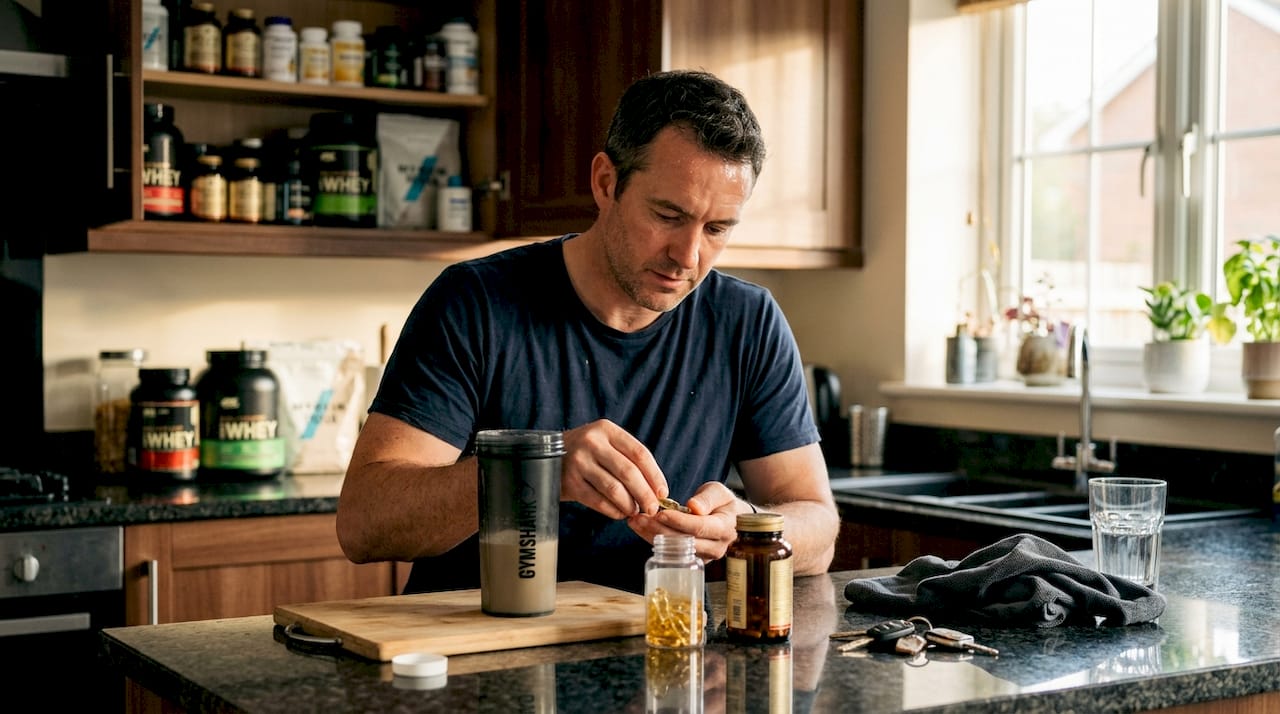
For a broader look at workout fuel strategies, understanding the full picture of pre and intra-session nutrition will make your supplement choices more effective.
Pro Tip: Never take a full-dose multi-ingredient pre-workout on an empty stomach. Even natural supplements can cause nausea, cramping, or tingling (from beta-alanine) when there’s no food buffer.
Monitor results and stay safe
Having integrated supplements, monitoring progress and safety protects your long-term health. It’s easy to get excited about a new protocol and forget to actually check whether it’s working.
Track these metrics every four to eight weeks:
- Performance: Reps completed, time on intervals, endurance markers (distance, pace)
- Recovery: Fatigue rating post-session, muscle soreness duration, sleep quality
- Body composition: Lean mass and weight if relevant to your goals
- Menstrual cycle: Any changes in cycle length, symptoms, or energy across phases
Warning signs to watch for:
- Persistent GI upset (bloating, cramping, loose stools) after supplementation
- Increased resting heart rate or disrupted sleep from caffeine
- Unusual fatigue that doesn’t resolve with rest
- Skin flushing or tingling beyond normal beta-alanine response
- Any new joint pain or bone discomfort
‘While current human studies support safety, monitor bone health if combining HIIT and creatine, especially over 40.’
This is not a reason to avoid creatine. It is a reason to be informed. HIIT plus creatine may affect bone mineralisation in some cases, and best practice for midlife women is to monitor bone health, particularly if you train at high volume. Ask your GP about a DEXA scan if you’re combining high-impact HIIT with long-term creatine use.
For a deeper look at high-intensity sports nutrition and how to structure your overall approach safely, the evidence base is growing rapidly. You can also review supplements and performance evidence from Harvard Health for a balanced external perspective on what the science actually supports.
Our perspective: don’t overlook uniqueness and feedback
Most supplement guides treat women aged 30 to 50 as a homogenous group. They’re not. Two women doing the same HIIT programme, taking the same creatine dose, in the same week of their cycle, can have completely different responses. Genetics, gut microbiome, stress load, and sleep quality all influence how your body processes and benefits from supplementation.
What we’ve seen consistently is that the women who get the best results are not the ones following the most aggressive protocol. They’re the ones paying closest attention to their own feedback. They track honestly, adjust incrementally, and don’t abandon something after one bad session.
Don’t feel pressured by marketing to stack five supplements from day one. The research on natural sports nutrition for women supports a measured, progressive approach. Small, consistent experimentation beats chasing trends every time.
Pro Tip: Find a training peer or small community who are also experimenting with supplementation. Shared tracking and honest conversation accelerates learning faster than any single study.
Enhance your high intensity results with tailored support
Applying the principles in this guide is far easier when you have the right products already formulated for your needs. At Interval, we’ve built our supplements around natural ingredients, evidence-backed doses, and the specific demands of high intensity training.
Our Starter Bundle brings together pre-workout and electrolyte support designed to complement the strategies covered here, without the artificial fillers or guesswork. Whether you’re just beginning to experiment with supplementation or refining an existing routine, Interval offers expert guidance, community support, and products that genuinely align with how women in their 30s, 40s, and 50s train and recover.
Frequently asked questions
Which supplement works fastest for HIIT performance in women 30 to 50?
Creatine offers rapid strength and muscle benefits, particularly when paired with consistent resistance-based HIIT. Performance in women improves across reproductive stages with regular creatine use.
Is combining creatine with HIIT safe for my bones?
Generally yes, but ongoing bone health monitoring is wise, particularly for women over 40. HIIT plus creatine may affect bone mineralisation in some cases, so a DEXA scan every one to two years is sensible.
Can I mix natural supplements like beetroot and caffeine for a single session?
Yes, but stagger the timing carefully. Caffeine’s optimal window is 30 minutes pre-session, while beetroot improves power best when taken two or more hours beforehand. Monitor your gut tolerance when combining both.
How soon will I notice results from new supplements?
Most women see measurable performance gains within two to six weeks, though individual response varies. Creatine and nitrate studies consistently show meaningful effects within this window when dosing is consistent.
Recommended
- Optimise nutrition for HIIT: female guide to peak performance – Interval
- Muscle Pump: Enhancing HIIT Performance Naturally – Interval
- Natural Performance Boosters: Elevate High-Intensity Results – Interval
- Natural ways to boost workout energy for Hyrox athletes – Interval
- Why optimize performance longevity for peak success