


Optimise nutrition for HIIT: female guide to peak performance
TL;DR:
- Proper carbohydrate, protein, and hydration intake are essential for optimal HIIT performance and recovery.
- Eating a carb-protein snack 30-60 minutes before HIIT improves energy and reduces discomfort.
- Post-workout, prioritize carbs with moderate protein within 60 minutes to enhance recovery.
You push hard through every interval, but somewhere around the third round your legs go heavy, your lungs burn, and the energy just vanishes. Sound familiar? For women doing HIIT regularly, poor nutrition is almost always the hidden culprit behind sluggish sessions and slow recovery. The good news is that getting your fuelling right does not require a degree in sports science. This guide walks you through exactly what to eat, when to eat it, and how to adjust it to your body so you can finish every session strong and bounce back faster.
Table of Contents
- Know your HIIT nutrition essentials
- Pre-HIIT fuelling: What, when, and how much
- During and after HIIT: Recovery and refuelling strategies
- Troubleshooting and personalising your HIIT nutrition
- Our unique take: Why most HIIT nutrition advice misses the mark
- Kickstart your HIIT gains with expert support
- Frequently asked questions
Key Takeaways
| Point | Details |
|---|---|
| Carbohydrate is king | Prioritising carbs before and after HIIT fuels effort and speeds recovery. |
| Timing matters | Eat a carb-protein snack 30-60 minutes before and within 1 hour after HIIT for best results. |
| Personalise your plan | Tweak your nutrition approach based on your own performance, energy, and comfort. |
| Hydration is essential | Don’t neglect fluid intake for performance and recovery when doing HIIT. |
Know your HIIT nutrition essentials
HIIT is not like a steady jog around the park. It pushes your body into high-intensity bursts that rely almost entirely on fast-burning fuel, specifically muscle glycogen. Understanding what makes HIIT unique helps explain why your nutrition strategy needs to be sharper than it would for lower-intensity training.
Unlike steady-state cardio, which can tap into fat stores at a comfortable pace, HIIT demands rapid energy turnover. HIIT rapidly depletes glycogen, making carbohydrate and protein intake vital for sustained effort. This is why the low-carb trend is particularly problematic for women who train this way. Cutting carbs might seem like a smart fat-loss move, but it directly undermines your ability to train at the intensity that makes HIIT effective in the first place.
Here is a quick comparison of how HIIT nutritional demands differ from regular cardio:
| Nutrient | HIIT needs | Regular cardio needs |
|---|---|---|
| Carbohydrates | High (primary fuel source) | Moderate |
| Protein | Moderate to high (repair) | Moderate |
| Hydration | High (sweat rate is elevated) | Moderate |
| Meal timing | Critical (pre and post) | Flexible |
| Recovery window | Short and important | Longer, more flexible |
The three pillars of HIIT nutrition research are carbohydrates, protein, and hydration. Most women focus heavily on protein, which matters, but carbohydrates are the real engine. Understanding muscle glycogen for HIIT is essential because without adequate glycogen stores, your intervals will feel harder and your output will drop noticeably.
Common myths worth busting:
- Fasted HIIT burns more fat: It may increase fat oxidation slightly, but it also increases muscle breakdown and reduces peak performance.
- Low-carb is fine for HIIT: It is not. Glycogen is your primary fuel at high intensities.
- More protein equals better recovery: Protein matters, but excess protein without sufficient carbs slows glycogen replenishment.
Pro Tip: Before worrying about your protein shake, check your carb intake. Most women doing HIIT are under-fuelling on carbohydrates, not protein. A solid women’s HIIT nutrition guide will always prioritise carb timing alongside protein.
Pre-HIIT fuelling: What, when, and how much
What you eat in the hours before your session can make or break your performance. The goal is to top up glycogen stores, give your muscles a small protein primer, and avoid anything that will sit heavy in your stomach mid-burpee.
Research confirms that 30-60g of carbs and protein of around 10-15g, consumed 30-60 minutes before exercise, optimises glycogen availability and reduces GI distress. That is a practical, achievable target.
Here are some pre-HIIT meal and snack options that hit the right macro balance:
| Option | Carbs (g) | Protein (g) | Timing |
|---|---|---|---|
| Banana and Greek yoghurt | 35 | 12 | 30-45 min before |
| Rice cakes with peanut butter and honey | 40 | 8 | 45-60 min before |
| Oat porridge with berries | 50 | 10 | 60-90 min before |
| White toast with scrambled eggs | 45 | 14 | 60 min before |
| Energy bar (natural ingredients) | 35 | 10 | 30 min before |
How to fuel before HIIT, step by step:
- Plan your session time. Know whether you are training in the morning or evening, as this changes your approach significantly.
- Choose your window. Aim to eat a snack 30-60 minutes before, or a full meal 90-120 minutes before if you prefer larger portions.
- Hit your carb target first. Aim for 30-50g of easily digestible carbs. White rice, bananas, and oats are excellent choices.
- Add moderate protein. Around 10-15g is enough. You do not need a full protein meal before training.
- Limit fat and fibre. Both slow digestion and can cause cramping or bloating mid-session.
- Hydrate. Drink 400-600ml of water in the hour before training. Consider drink options for HIIT that include electrolytes if you sweat heavily.
For morning sessions, keep it light and fast-digesting. A banana with a small amount of nut butter works brilliantly. For evening sessions, you likely have more time to digest a fuller meal, so you can lean into pre-workout carbs for HIIT with something more substantial like oats or rice.
Pro Tip: Avoid high-fat or high-fibre foods in the 60 minutes before HIIT. Avocado, full-fat dairy, and raw vegetables are all nutritious but poorly timed pre-workout. Save them for your post-session meal instead. Understanding meal timing before HIIT is just as important as the food itself.
During and after HIIT: Recovery and refuelling strategies
For most HIIT sessions under 45 minutes, you do not need to eat anything mid-workout. Your pre-session fuelling should carry you through. However, if your session runs longer or involves back-to-back classes, a small carbohydrate source such as a gel or a few dates can help maintain output.
Post-workout nutrition is where many women make their biggest mistakes. Skipping carbs after HIIT in an effort to stay lean is one of the most counterproductive things you can do. Your muscles are primed to absorb nutrients in the 30-60 minutes after training, and failing to refuel properly delays recovery and increases muscle soreness.
A 3:1 carbohydrate to protein ratio helps sustain effort during longer HIIT sessions and kickstarts recovery directly after. This is not just theory; it is the framework elite athletes use to bounce back session after session.
The best post-HIIT foods and snacks:
- Chocolate milk: A natural 3:1 ratio, fast-absorbing, and genuinely effective.
- Rice with grilled chicken: Solid whole-food option for a full post-workout meal.
- Greek yoghurt with banana: Quick, portable, and hits the right macro split.
- Oat-based protein smoothie: Blend oats, fruit, and a scoop of protein powder for a balanced recovery drink.
- Wholegrain wrap with turkey and salad: Great for those who prefer savoury options.
Rehydration is equally critical. Women often under-hydrate after HIIT, which directly impairs reducing fatigue with smart nutrition. Aim to replace 150% of the fluid lost during your session. Weighing yourself before and after training gives you a precise measure. For every kilogram lost, drink 1.5 litres of fluid.
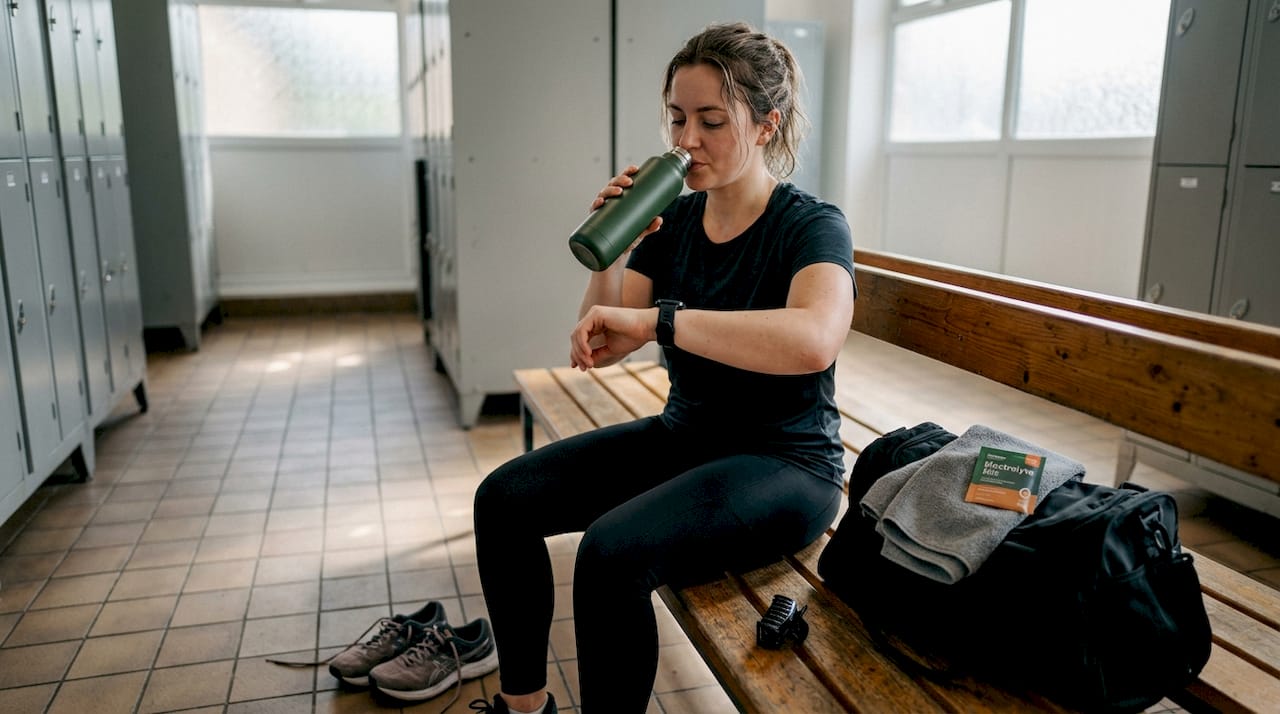
Electrolytes matter here too. Sweat contains sodium, potassium, and magnesium, not just water. Plain water alone will not fully restore your electrolyte balance after a hard session. Applying solid recovery timing strategies means eating and drinking within that 30-60 minute post-workout window, consistently. Explore natural energy strategies to support your recovery without relying on artificial stimulants.
Troubleshooting and personalising your HIIT nutrition
Even a well-planned nutrition strategy will need adjusting. Your body changes, your schedule shifts, and what works brilliantly in summer might feel off in winter. The key is to treat your nutrition like a training programme: test, observe, and refine.
Here is a step-by-step guide for common problem scenarios:
- GI distress mid-session: Reduce fibre and fat in your pre-workout meal. Switch to white rice or banana instead of oats or wholegrain bread. Eat at least 60 minutes before training.
- Early fatigue in the first few rounds: You are likely under-fuelled on carbohydrates. Increase your pre-workout carb intake by 10-15g and monitor the difference over three sessions.
- Slow recovery between sessions: Focus on your post-workout window. Are you eating within 60 minutes? Are you hitting that 3:1 carb-to-protein ratio? If not, start there.
- Hormonal fluctuations affecting energy: During the luteal phase of your cycle, carbohydrate needs often increase. Do not fight the hunger. Eat more complex carbs and monitor your energy levels.
- Peri-menopause and energy dips: Protein needs increase with age. Aim for 1.6-2g of protein per kilogram of bodyweight daily, and prioritise natural performance boosts through whole food sources.
Easily digestible carbohydrates and moderate protein, tailored to your timing before exercise, minimise digestive upset while supporting training intensity. This is the foundation of personalised HIIT nutrition.
| Problem | Likely cause | Fix |
|---|---|---|
| Energy crash mid-session | Low glycogen pre-workout | Add 20-30g carbs before training |
| Bloating during HIIT | High fat or fibre pre-workout | Switch to low-fibre, low-fat snack |
| Muscle soreness lasting 3+ days | Insufficient post-workout protein | Add 20g protein within 60 min post-session |
| Feeling flat despite eating well | Dehydration or low electrolytes | Add electrolytes to post-workout drink |
| Poor sleep after evening HIIT | Overstimulation or under-fuelling | Eat a light carb-protein snack post-session |
Keep a simple food and performance log for two to four weeks. Note what you ate, when, and how your session felt. Patterns emerge quickly, and you will have real data to guide your adjustments rather than guessing.
Our unique take: Why most HIIT nutrition advice misses the mark
Most HIIT nutrition content is written with men in mind, or worse, written generically for anyone who exercises. It defaults to protein-first messaging and ignores the hormonal complexity that shapes how women respond to training and food. That is a significant gap.
The uncomfortable truth is that over-prioritising protein at the expense of carbohydrates is one of the most common mistakes active women make. Protein is essential, yes. But without adequate carbohydrate intake, your glycogen stores stay depleted, your intervals feel harder than they should, and your recovery drags on.
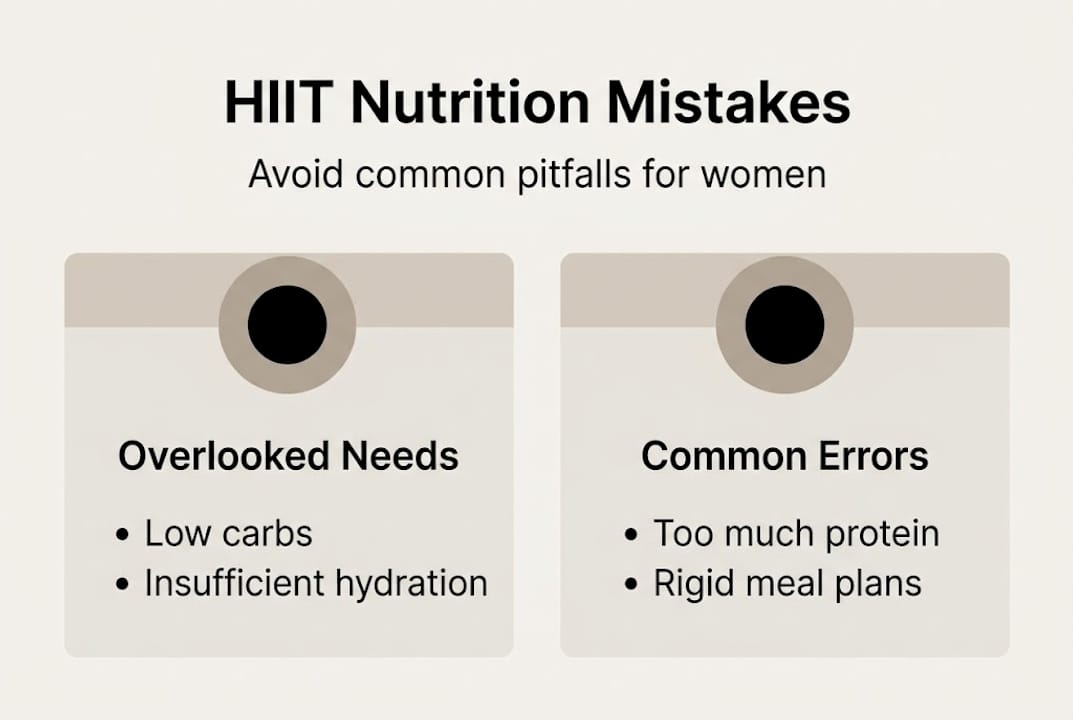
We also see too many women following rigid plans that do not account for where they are in their cycle, their stress levels, or their sleep quality. Nutrition is not a fixed equation. It responds to your life. The best approach is to start with evidence-based principles, then tune them against your own experience. Use tailored fuelling methods as a starting point, not a final answer. Track, adjust, and trust your data over generic advice.
Kickstart your HIIT gains with expert support
You now have the nutritional framework to fuel your HIIT sessions smarter, recover faster, and perform more consistently. The next step is making it easy to put into practice.
At Interval UK, we have built our products specifically for women doing high-intensity training. Our natural pre-workout and electrolyte formulas are designed to support exactly the kind of fuelling strategy covered in this guide, without artificial additives or unnecessary fillers. If you are ready to take the guesswork out of your nutrition, the HIIT Starter Bundle is a practical, expert-selected starting point that fits seamlessly into your pre and post-workout routine.
Frequently asked questions
How soon before HIIT should I eat?
Aim for a balanced snack of carbs and protein about 30-60 minutes before your session. Research confirms that 30-60g of carbs alongside 10-15g of protein in this window optimises glycogen availability and reduces digestive discomfort.
Should I eat during HIIT sessions?
For most sessions under 45 minutes, eating mid-workout is not necessary. Carbohydrates maintain performance in prolonged, high-intensity exercise, so if your session runs longer, a small fast-digesting carb source can help.
How do I avoid energy crashes in HIIT?
Prioritise your carbohydrate intake and never skip post-workout carbs. Higher carbohydrate diets of 60% or more of total energy intake sustain high-intensity efforts and prevent the mid-session energy dip many women experience.
What is the ideal post-HIIT meal?
Pair carbohydrate-rich foods with moderate protein in a 3:1 ratio within 60 minutes of finishing your session. A 3:1 carb-to-protein ratio is well supported by research as the most effective approach for kickstarting muscle repair and glycogen replenishment.
Recommended
- What is high intensity interval training for women? – Interval
- Step-by-step workout fuel guide for women: boost performance – Interval
- Sports Nutrition: Enhancing High-Intensity Results – Interval
- Optimise muscle performance: electrolyte needs for women – Interval
- How to Build Climbing Endurance: A Step-by-Step Guide - Gripnatic