


What is creatine monohydrate? Benefits for female athletes
Creatine monohydrate often gets dismissed by female athletes as a supplement only for bodybuilders, yet research reveals it delivers powerful benefits for women in high-intensity sports. Studies show creatine enhances muscular performance by approximately 8% whilst accelerating recovery after demanding training sessions. Whether you’re sprinting, lifting, or pushing through interval work, understanding how this compound works can transform your athletic results. This guide explores creatine monohydrate’s mechanisms, evidence-based benefits for female athletes aged 30-50, practical usage protocols, and specific considerations for women navigating hormonal changes whilst maintaining peak performance.
Table of Contents
- What Is Creatine Monohydrate And How Does It Work?
- Performance And Recovery Benefits Of Creatine For Female Athletes
- Usage Guidelines And Safety Considerations For Female Athletes
- Creatine Monohydrate’s Specific Relevance For Female Athletes Aged 30-50
- Boost Your Training With Creatine Monohydrate From Interval
- Is Creatine Monohydrate Safe For Women?
- How Much Creatine Monohydrate Should Female Athletes Take?
- Can Creatine Monohydrate Help With Recovery After High-Intensity Training?
- Does Creatine Monohydrate Cause Weight Gain In Women?
Key takeaways
| Point | Details |
|---|---|
| Performance enhancement | Creatine boosts strength, power output, and sprint capacity in high-intensity activities through improved ATP regeneration. |
| Recovery acceleration | Supplementation reduces muscle damage markers and inflammation, allowing more frequent intense training sessions. |
| Muscle hydration | Creatine increases cellular water retention and volumisation, creating an optimal environment for nutrient delivery and growth. |
| Safety profile | Research confirms minimal side effects at recommended doses, with proper hydration managing most mild concerns. |
| Individual variation | Response rates differ amongst athletes, but documented benefits for females are substantial and well supported. |
What is creatine monohydrate and how does it work?
Creatine monohydrate represents the most researched and effective form of creatine supplementation available. This naturally occurring compound combines creatine with a water molecule, creating exceptional stability and absorption characteristics. Your body produces small amounts of creatine naturally through amino acid synthesis in the liver, kidneys, and pancreas, but supplementation dramatically elevates these baseline levels.
The magic happens within your muscle cells. Creatine monohydrate supplementation increases phosphocreatine stores, which serves as your muscles’ immediate energy reserve during explosive movements. When you sprint, jump, or lift heavy weights, your muscles rely on adenosine triphosphate (ATP) for instant energy. Unfortunately, ATP stores deplete within seconds during maximal effort.
Phosphocreatine steps in to rapidly regenerate ATP from adenosine diphosphate (ADP), extending your capacity for high-intensity work. Creatine supplementation elevates skeletal muscle phosphocreatine stores, providing greater capacity to resynthesize ATP during demanding exercise. This biochemical advantage proves particularly valuable for female athletes engaged in sports nutrition programmes focused on high-intensity performance.
The ATP regeneration cycle operates through these steps:
- ATP breaks down into ADP plus phosphate during muscle contraction, releasing energy
- Phosphocreatine donates its phosphate group to ADP, reforming ATP
- Newly formed ATP becomes immediately available for another contraction
- Higher phosphocreatine stores from supplementation extend this cycle’s duration
- Recovery periods allow phosphocreatine restoration for subsequent efforts
Female athletes benefit similarly to males from this mechanism, though hormonal differences may influence baseline creatine stores and response magnitude. Oestrogen affects creatine kinase activity and muscle metabolism, potentially creating subtle variations in supplementation outcomes. Understanding creatine’s mechanism of action helps you appreciate why this supplement delivers consistent results across diverse athletic populations.
Performance and recovery benefits of creatine for female athletes
Research consistently demonstrates creatine monohydrate’s capacity to elevate athletic performance in women. Supplementation enhances muscular performance in high-intensity sports, delivering improvements in power output, sprint velocity, and muscle endurance. These gains translate directly into better training sessions and competitive results.
Strength improvements appear across various movement patterns. Women supplementing with creatine experience enhanced one-repetition maximum lifts, increased total training volume, and superior force production during explosive movements. Sprint performance benefits emerge within weeks, with faster acceleration and maintained velocity through repeated efforts. Studies on female athletes show significant performance advantages across multiple high-intensity disciplines.
| Performance metric | Typical improvement | Timeframe |
|---|---|---|
| Maximum strength | 5-15% increase | 4-8 weeks |
| Sprint performance | 3-8% faster times | 2-6 weeks |
| Power output | 8-12% enhancement | 3-7 weeks |
| Training volume | 10-20% more reps | 2-4 weeks |
| Recovery time | 15-25% reduction | 1-3 weeks |
Recovery represents another crucial advantage. Creatine aids in faster recovery by reducing muscle damage and inflammation markers following intense exercise. Creatine kinase levels, which indicate muscle breakdown, remain lower in supplemented athletes compared to controls. This accelerated recovery allows you to train harder more frequently without accumulating excessive fatigue.
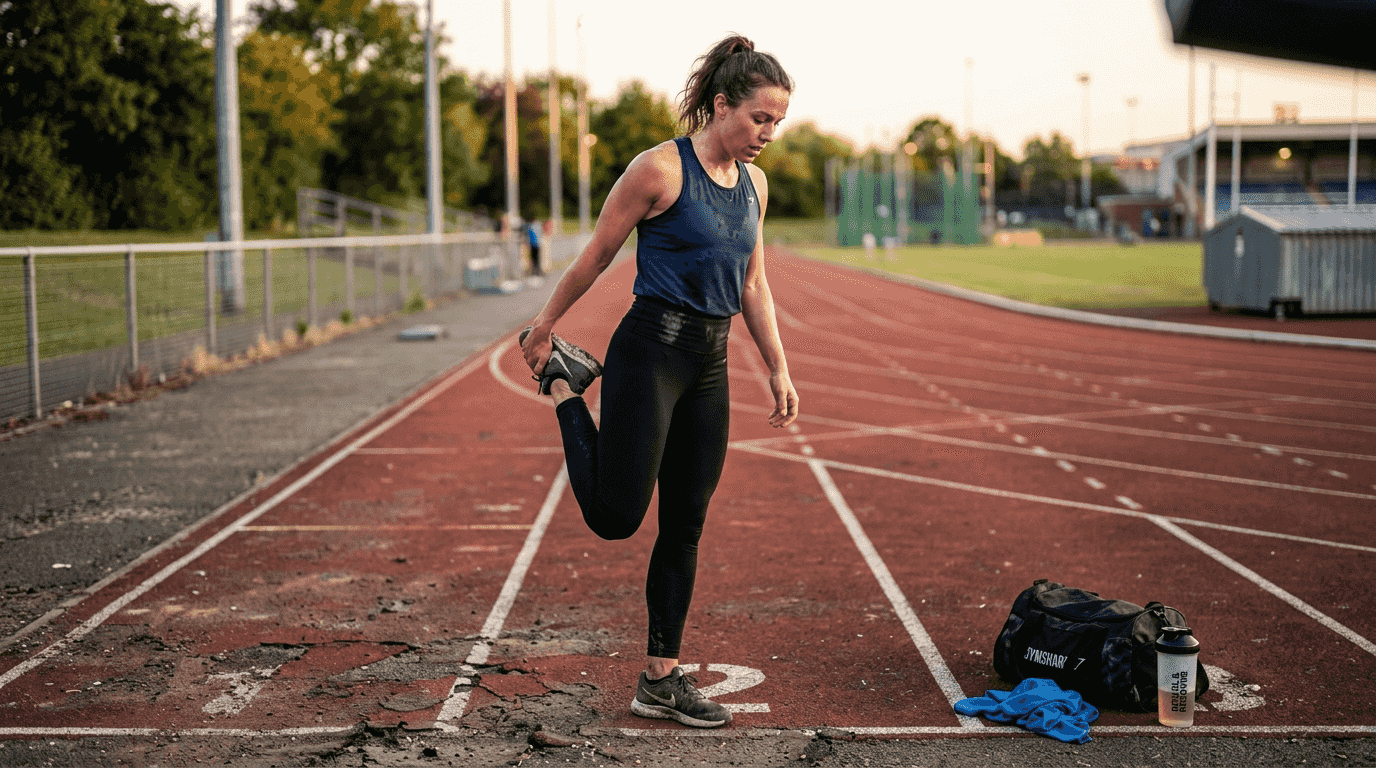
Muscle hydration effects create additional benefits. Creatine supplementation increases muscle hydration and cell volumisation, drawing water into muscle cells and expanding their volume. This hydrated state improves nutrient delivery, enhances protein synthesis signalling, and creates an anabolic environment supporting adaptation. The volumisation effect also contributes to improved muscle fullness and definition.
Practical performance gains include:
- Sustained power output during repeated sprint intervals
- Enhanced lifting capacity across multiple sets
- Improved endurance in high-intensity interval training
- Faster recovery between training sessions
- Better maintenance of technique under fatigue
- Increased total work capacity during demanding workouts
Pro Tip: Begin supplementation during a training block focused on strength or power development to maximise adaptation. Maintain consistent hydration by drinking an additional 500ml to 1 litre of water daily to support creatine’s cellular effects and minimise any mild bloating. Track your post-workout recovery process to monitor improvements in readiness for subsequent sessions.
Usage guidelines and safety considerations for female athletes
Implementing creatine supplementation requires understanding proper dosing protocols and safety considerations. Two primary approaches exist for initiating supplementation, each with distinct advantages.
The loading protocol involves consuming 20 grams daily (split into four 5-gram doses) for five to seven days, followed by a maintenance dose of three to five grams daily. Loading protocols rapidly saturate muscle creatine stores, delivering benefits within one to two weeks. This approach suits athletes seeking immediate performance improvements before competitions or intensive training blocks.
Alternatively, the steady-dose method uses three to five grams daily from the start, achieving similar muscle saturation over three to four weeks. This gentler approach reduces the likelihood of mild gastrointestinal discomfort and suits athletes who prefer gradual implementation.
Safety research provides reassurance. Creatine supplementation does not have significant adverse effects at recommended doses, with decades of studies confirming its safety profile. Mild gastrointestinal distress occasionally occurs during loading phases, typically resolving with dose adjustment or food co-ingestion.
Common side effects and management strategies:
- Temporary water retention creating slight weight gain (one to two kilograms)
- Mild bloating during initial weeks, minimised through adequate hydration
- Occasional stomach discomfort, resolved by taking smaller divided doses with meals
- Muscle cramping in inadequately hydrated athletes, prevented through increased fluid intake
Individual response variation exists amongst athletes. Approximately 20-30% of users classify as non-responders, typically those with naturally high baseline muscle creatine stores. Vegetarians and athletes with lower initial levels often experience the most dramatic improvements.
Best practices for starting supplementation:
- Begin with a medical consultation if you have pre-existing kidney conditions or concerns
- Choose pure creatine monohydrate without unnecessary additives or proprietary blends
- Start with a loading phase or steady dose based on your tolerance and timeline
- Increase daily water intake by at least 500ml to support cellular hydration
- Take creatine consistently at the same time daily, preferably post-workout with carbohydrates
- Monitor your response through performance metrics and recovery indicators
- Continue supplementation throughout training cycles for maintained benefits
Pro Tip: Mix creatine powder with warm water or juice to improve dissolution and absorption. Timing matters less than consistency, though post-workout consumption alongside protein and carbohydrates may enhance uptake through insulin-mediated transport. Explore natural supplement transition strategies when incorporating creatine into your existing nutrition programme, and consider quality options like Interval’s creatine monohydrate for reliable purity and effectiveness.
Creatine monohydrate’s specific relevance for female athletes aged 30-50
Female athletes aged 30-50 face unique physiological challenges that make creatine supplementation particularly valuable. Hormonal fluctuations during perimenopause and menopause affect muscle mass, strength, recovery capacity, and metabolic function. Declining oestrogen levels correlate with reduced muscle protein synthesis, increased inflammation, and compromised bone density.
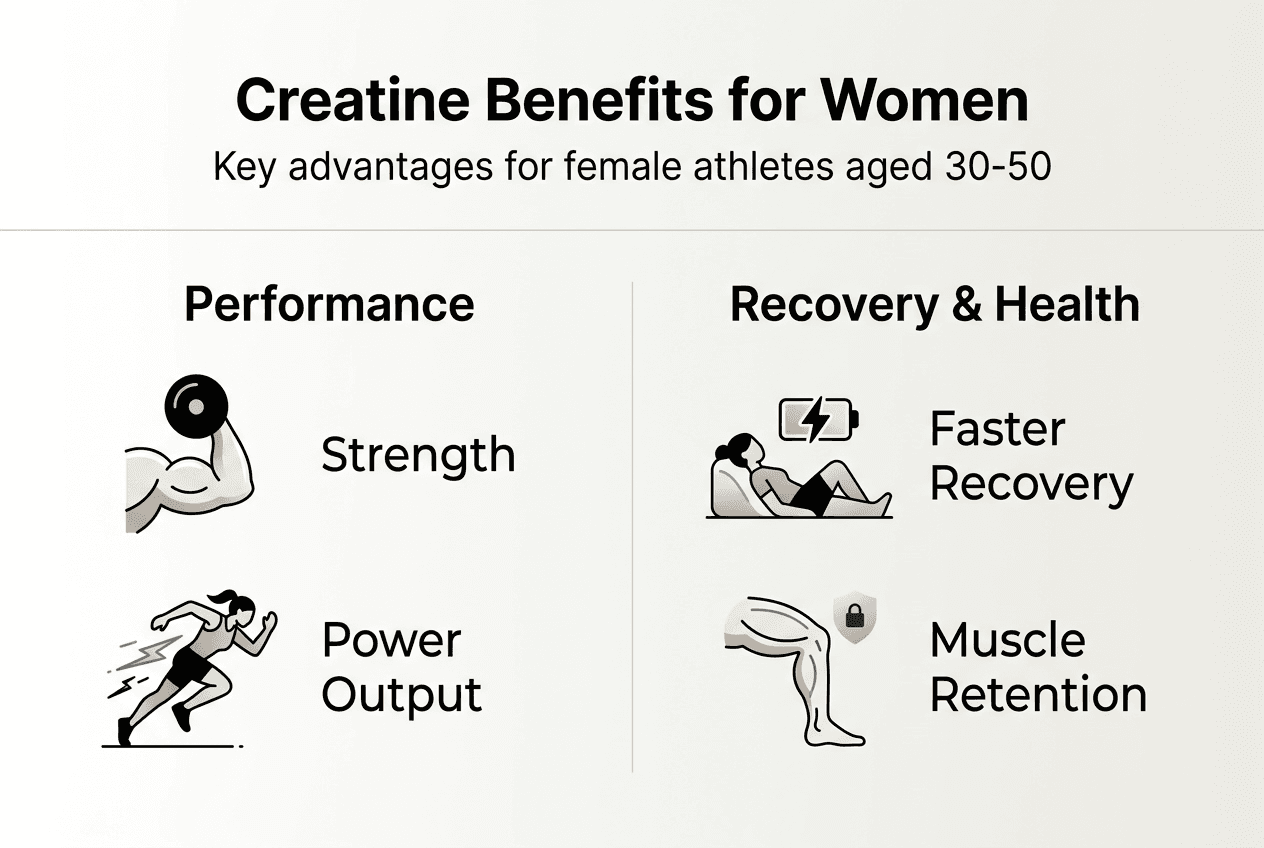
Creatine addresses several age-related concerns. Supplementation increases lower body strength in peri- and postmenopausal women, whilst also improving sleep quality and positively altering body composition. These benefits prove especially relevant for maintaining athletic performance and overall health during hormonal transitions.
| Factor | Younger women (20-35) | Peri/postmenopausal women (35-50+) |
|---|---|---|
| Baseline creatine stores | Moderate to high | Often lower due to hormonal changes |
| Response magnitude | Strong performance gains | Enhanced strength and body composition |
| Recovery benefits | Significant improvements | Critical for managing training stress |
| Additional effects | Primarily performance focused | Sleep quality, bone health, cognition |
| Dosing considerations | Standard protocols effective | May benefit from consistent maintenance |
Body composition changes represent another consideration. Creatine supplementation can increase cellular water retention and positively influence body composition in female recreational athletes. This effect supports muscle preservation during caloric deficits and enhances the visual results of strength training programmes.
Specific benefits for the 30-50 demographic include:
- Preservation of lean muscle mass during hormonal transitions
- Enhanced strength gains offsetting age-related decline
- Improved cognitive function and mental clarity during training
- Better sleep quality supporting recovery and adaptation
- Reduced inflammation markers accelerating post-exercise healing
- Maintained bone density through enhanced training capacity
Hydration and cell volumisation effects matter more as you age. Adequate cellular hydration supports nutrient delivery, waste removal, and metabolic function. Creatine’s ability to draw water into muscle cells creates an environment conducive to protein synthesis and tissue repair, counteracting some age-related metabolic slowdown.
Hormonal baseline levels influence creatine response subtly. Women with lower oestrogen levels may experience enhanced benefits from supplementation, as creatine partially compensates for reduced endogenous creatine synthesis. The compound’s effects on cellular energy production become increasingly valuable when natural hormonal support for muscle metabolism declines.
Training adaptations with creatine prove particularly robust in this age group. Combining supplementation with progressive resistance training delivers synergistic benefits for strength, power, and muscle mass. Understanding muscle fatigue recovery strategies helps optimise your training approach, whilst following pre-workout safety tips for female athletes ensures comprehensive performance support.
Boost your training with creatine monohydrate from Interval
Transforming your understanding of creatine into tangible results requires high-quality supplementation you can trust. Interval’s creatine monohydrate delivers pure, tested ingredients designed specifically for female athletes pursuing excellence in high-intensity sports. Our formulation contains nothing but pharmaceutical-grade creatine monohydrate, ensuring you receive maximum benefits without unnecessary fillers or additives.
Integrating Interval’s creatine monohydrate into your training programme supports the performance gains and recovery improvements discussed throughout this guide. Whether you’re managing demanding training blocks, navigating hormonal transitions, or simply seeking that competitive edge, consistent supplementation provides the biochemical foundation for sustained progress.
Consider exploring our starter bundle combining creatine with complementary natural supplements for comprehensive performance support. Each product undergoes rigorous testing to ensure purity and potency, giving you confidence in what you’re putting into your body. Visit Interval’s homepage to discover our complete range and access resources supporting your athletic journey.
Is creatine monohydrate safe for women?
Yes, extensive research confirms creatine monohydrate’s safety for female athletes at recommended doses. Decades of studies show minimal adverse effects, with most women experiencing no issues beyond temporary water retention. Maintaining proper hydration throughout supplementation prevents the mild bloating some users report initially. Women with pre-existing kidney conditions should consult healthcare professionals before starting, though healthy individuals face negligible risks. Quality matters, so choose tested products like Interval’s creatine monohydrate to ensure purity and safety.
How much creatine monohydrate should female athletes take?
Typical protocols involve either a loading phase of 20 grams daily for five to seven days followed by three to five grams maintenance, or a steady three to five grams daily from the start. Loading delivers faster results within one to two weeks, whilst steady dosing achieves similar saturation over three to four weeks. Individual tolerance varies, so start with lower doses if you’re sensitive to supplements or prone to digestive discomfort. Consistency matters more than precise timing, though post-workout consumption may enhance uptake. Review dosing guidelines for natural supplements for additional implementation strategies.
Can creatine monohydrate help with recovery after high-intensity training?
Absolutely, creatine significantly accelerates recovery from demanding training sessions. Supplementation reduces creatine kinase levels and other markers indicating muscle damage, allowing tissues to repair more efficiently. Anti-inflammatory effects help manage post-exercise soreness and systemic stress. These recovery benefits enable more frequent high-intensity sessions without accumulating excessive fatigue or risking overtraining. Athletes report feeling fresher between workouts and maintaining better performance across consecutive training days. Explore comprehensive post-workout recovery approaches to maximise creatine’s recovery-enhancing effects within your broader training strategy.
Does creatine monohydrate cause weight gain in women?
Creatine typically causes one to two kilograms of water weight gain during initial weeks as muscles store additional fluid. This represents increased cellular hydration rather than fat accumulation, actually indicating the supplement is working effectively. The weight gain reflects enhanced muscle cell volume and improved hydration status, both beneficial for performance and recovery. Some women notice improved muscle definition despite slight scale increases, as creatine supports lean mass development whilst training. This temporary water retention stabilises after several weeks and should not concern athletes focused on performance rather than arbitrary weight targets.