


Electrolytes and ageing: boost performance and resilience
TL;DR:
- Women over 30 face electrolyte imbalances due to hormonal changes, age-related kidney decline, and impaired thirst. Proper electrolyte management, including sodium and potassium intake, is crucial for sustaining performance and preventing long-term health risks. Adjusting electrolyte strategies proactively based on hormonal cycle, training demands, and individual needs enhances recovery and overall well-being.
Most women training hard in their 30s and 40s assume staying hydrated means drinking enough water. It is a reasonable assumption, but it is also dangerously incomplete. As you age, your body’s ability to manage electrolytes shifts considerably, driven by hormonal changes, a blunted thirst response, and altered kidney function. Ageing impairs thirst, thermoregulation, and sweating, meaning the usual signals you rely on cannot always be trusted. For women doing high-intensity sport, getting this balance wrong is not just a performance issue. It is a health issue, and it compounds with every passing year.
Table of Contents
- How ageing changes electrolyte balance
- Electrolyte imbalances: risks, consequences, and warning signs
- The science behind electrolytes and female performance in ageing
- Practical strategies: optimising electrolyte intake for ageing female athletes
- What most athletes miss about electrolytes and ageing
- Take the next step: smart supplementation for healthy ageing
- Frequently asked questions
Key Takeaways
| Point | Details |
|---|---|
| Electrolyte needs change with age | Women over 30 require intentional sodium and potassium strategies for health and performance. |
| Hormones impact hydration | Menopause and perimenopause heighten dehydration and imbalance risk due to hormone shifts. |
| Balance both sodium and potassium | Drinks combining sodium and potassium better support performance and recovery than either alone. |
| Watch for subtle symptoms | Fatigue, cramps, and poor recovery can signal electrolyte imbalance, not just low water intake. |
| Tailor intake to activity | Match your electrolyte strategy to the length, intensity, and conditions of your exercise. |
How ageing changes electrolyte balance
After your early 30s, several physiological processes start to shift in ways that directly affect how you hold onto and use electrolytes. Your kidneys become slightly less efficient at conserving sodium. Your thirst mechanisms, governed partly by hormones, grow less sensitive. This means you can be significantly under-hydrated and under-mineralised before you register any sensation of thirst at all.
Hormonal changes during perimenopause and menopause add another layer of complexity. Oestrogen plays a direct role in regulating aldosterone, the hormone responsible for sodium and fluid retention. As oestrogen fluctuates and eventually declines, the body’s electrolyte regulation becomes less predictable. You might experience periods of sodium wasting followed by fluid retention, making it harder to find your baseline. Meanwhile, sodium becomes less effective for hydration compared to younger women, meaning the same electrolyte drink that worked at 28 may fall short at 42.
Understanding the basics of what are electrolytes is essential before you attempt to fine-tune your intake. Electrolytes include sodium, potassium, magnesium, calcium, and chloride, all of which carry electrical charges that drive muscle contractions, fluid balance, and nerve function. When any of these fall out of range, the consequences ripple quickly.
The connection between electrolyte status and muscle performance in women is well established, but it is the longer-term risks that often get overlooked. Research shows that electrolyte imbalances in older adults are associated with frailty, falls, osteoporosis, and increased mortality. These are not distant concerns. They begin to accumulate in your 30s and 40s when you are still highly active.
Common signs of electrolyte imbalance in active women over 30:
- Persistent muscle cramps during or after training
- Unexplained fatigue that sleep does not resolve
- Longer-than-expected recovery between sessions
- Headaches during or after endurance exercise
- Heart palpitations or a sense of irregular heartbeat
- Brain fog or difficulty concentrating post-workout
| Electrolyte | Primary function | Early deficiency signs |
|---|---|---|
| Sodium | Fluid balance, nerve transmission | Headache, nausea, low blood pressure |
| Potassium | Muscle contraction, heart rhythm | Cramps, weakness, fatigue |
| Magnesium | Energy production, muscle relaxation | Cramps, poor sleep, tension |
| Calcium | Bone health, muscle function | Spasms, numbness, bone tenderness |
Pro Tip: If you regularly feel worn out after sessions where you drank plenty of water, sodium and potassium depletion is often the culprit, not simply inadequate sleep or overtraining.
Electrolyte imbalances: risks, consequences, and warning signs
The physiological shifts described above create very real health risks, and active women are not protected by their fitness levels. In fact, intense training can exacerbate certain imbalances, particularly if fluid intake is not matched with mineral replenishment.
Hyponatremia, a condition where sodium levels in the blood fall dangerously low, is a serious risk for female endurance athletes. Female athletes have higher hyponatremia risk during endurance events due to hormonal effects on fluid and electrolyte balance. Women are more likely to over-drink plain water without replacing sodium, leading to diluted blood plasma. Symptoms range from mild nausea and swelling to severe neurological disturbances.
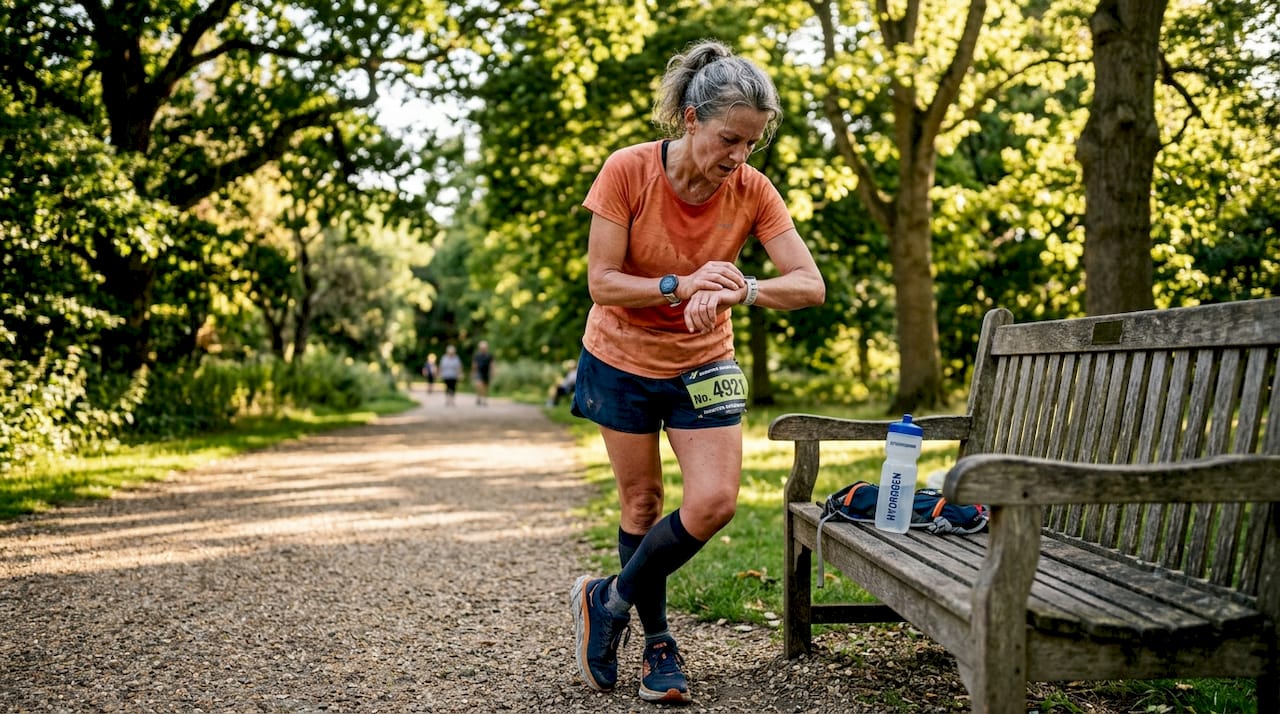
Hypokalemia, low potassium, is equally insidious. Women are more susceptible to hypokalemia than men, particularly under the combined stressors of exercise, ageing, and hormonal shifts. Critically, higher dietary potassium is associated with reduced mortality in older adults, which tells you just how much this mineral matters beyond pure performance. Many women consume far less potassium than the recommended 3,500 mg per day, especially if their diets lean heavily on processed foods during busy training cycles.
Check the replenishment tips for female athletes to get a clearer picture of what a well-structured electrolyte approach looks like in practice. Poor muscle recovery and performance is one of the earliest and most consistent signs that your electrolyte strategy needs attention.
“Missing electrolyte imbalances in active women is not just about sub-optimal sessions. It is about cumulative health consequences that quietly build over years of unaddressed deficits.”
Ordered risk progression from unaddressed imbalances:
- Reduced training performance and slower recovery
- Increased injury risk from impaired neuromuscular function
- Bone density decline linked to calcium and potassium imbalance
- Cardiovascular irregularities from chronic hypokalemia
- Increased frailty and fall risk over time
| Imbalance | Short-term effects | Long-term effects |
|---|---|---|
| Low sodium | Headaches, nausea, poor performance | Cognitive decline, neurological risk |
| Low potassium | Cramps, fatigue, palpitations | Cardiovascular disease, osteoporosis |
| Low magnesium | Poor sleep, muscle tension | Chronic inflammation, bone loss |
The science behind electrolytes and female performance in ageing
Here is where research starts to directly inform your training decisions rather than just your health awareness. Performance drops in active women often have an electrolyte signature, even when dehydration itself is not the obvious issue.
A study on electrolyte imbalances in ultramarathon runners found that even carefully trained female athletes experience performance impairment when electrolyte status is compromised. The implications extend well beyond ultramarathons. If your training involves extended Hyrox sessions, CrossFit workouts over 45 minutes, or back-to-back training days, you are in similar territory.
Your hormonal cycle has a direct effect on how your body handles electrolytes. During the luteal phase, which is the second half of your cycle, progesterone rises and acts as a mild aldosterone antagonist. This can cause temporary sodium loss and a compensatory rise in fluid excretion. In practical terms, some women feel noticeably weaker or more fatigue-prone in the week before their period, and electrolyte shifts are a significant contributor to this.
How hormonal status shapes electrolyte needs:
- Higher progesterone can increase sodium excretion mid-to-late cycle
- Oestrogen fluctuations affect fluid retention unpredictably during perimenopause
- Reduced oestrogen post-menopause impairs thermoregulation, raising sweat-related losses
- Stress hormones during intense training cycles compound potassium depletion
Understanding the timing of electrolytes for performance can make a significant difference to how you feel across your cycle and your training week. Rather than treating electrolytes as a race-day fix, think of them as a daily lever you adjust based on where you are physiologically.
The synergy between electrolytes is another underappreciated factor. Sodium and potassium do not work in isolation. They operate together via the sodium-potassium pump, the mechanism that drives muscle contractions and nerve firing. Deplete one without the other, and the entire system underperforms. That is why drinking a high-sodium sports drink without adequate potassium may still leave you cramping in the final kilometres of a race.
Pro Tip: Track your performance and mood across your menstrual cycle for two months while noting your electrolyte intake. Patterns often emerge that reveal when you need to increase sodium or potassium proactively, rather than waiting for symptoms. Integrating advanced recovery techniques alongside your electrolyte strategy amplifies the benefit considerably.
Practical strategies: optimising electrolyte intake for ageing female athletes
So, what does this mean for you at the track, in the gym, or after a race? Here is how to put science into action.
The most important single finding from recent research is that high sodium combined with high potassium in a rehydration drink is superior to either mineral alone. An electrolyte drink with 480 mg/L sodium and 1,120 mg/L potassium outperformed drinks with only one of these minerals. This directly challenges the common assumption that sodium alone is the primary hydration electrolyte.
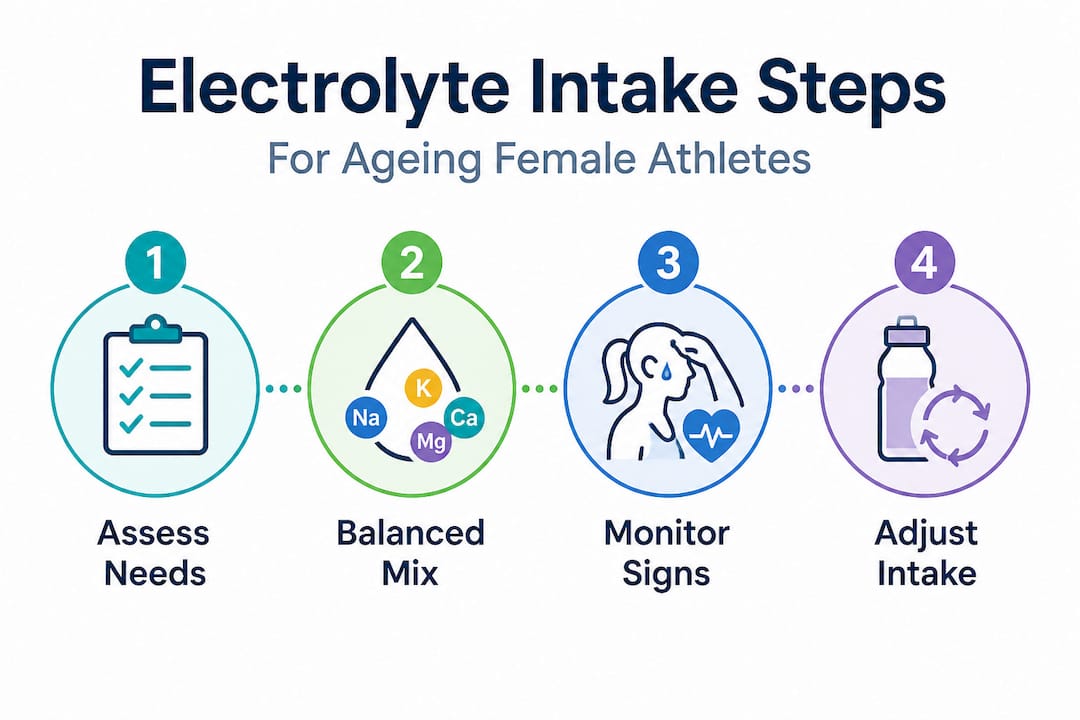
For workout duration, research recommends 300 to 1,000+ mg of sodium per hour during exercise lasting more than one to two hours. The actual amount you need depends on your sweat rate, the heat and humidity you train in, and your individual physiology. Women who are heavy sweaters or train in warm conditions should sit at the higher end of this range.
Scenario-based electrolyte intake guide:
| Session type | Duration | Sodium target | Potassium target |
|---|---|---|---|
| HIIT or gym session | Under 45 min | Minimal top-up | Food sources sufficient |
| Endurance run or cycle | 60 to 90 min | 300 to 500 mg/hour | 200 to 400 mg/hour |
| Long race or event | Over 2 hours | 500 to 1,000 mg/hour | 400 to 600 mg/hour |
| Hot weather training | Any duration | Add 20 to 30% extra | Proportional increase |
Actionable steps to implement immediately:
- Stop relying solely on thirst. Drink to a schedule based on session length, not sensation.
- Choose electrolyte products that include both sodium and potassium, not sodium-only formulas.
- Introduce potassium-rich foods (avocado, spinach, sweet potato) in your post-workout meal.
- In the days before a major event, moderately increase sodium intake to build plasma volume.
- On rest days, maintain baseline potassium through whole foods rather than supplements.
- Reassess your needs every few months as hormonal status shifts, particularly through perimenopause.
The electrolyte mixing guidance for female performance covers how to combine products and food sources practically. If you want something that acts quickly, particularly mid-session, fast-acting electrolyte options are worth having to hand for longer or higher-intensity sessions.
Pro Tip: Weigh yourself before and after a hard session. Every kilogram of weight lost represents roughly one litre of sweat. If you consistently lose more than 2% of your body weight per session, your sodium and fluid strategy needs revising urgently.
What most athletes miss about electrolytes and ageing
Here is an uncomfortable truth: most hydration advice given to active women is fundamentally built on research done in younger men. The physiological differences are significant enough that applying generic advice can actively work against you.
The conventional “drink more water” message, while well-intentioned, increases hyponatremia risk in women who are already prone to over-drinking plain fluids. Adding large volumes of water without sodium and potassium replenishment dilutes plasma and creates the very imbalance you are trying to avoid. This risk rises sharply during perimenopause and menopause because hormonal shifts heighten dehydration risk while simultaneously impairing the body’s ability to retain sodium and regulate thirst accurately.
What we have seen again and again is that the women who train consistently and feel great doing it into their 40s and 50s are not the ones who drink the most water. They are the ones who understand their individual electrolyte profile, track it relative to their hormonal cycle, and adjust proactively rather than reactively.
Electrolyte needs are not one-size-fits-all, and they change more dramatically during the perimenopause years than at almost any other life stage. This is not a problem to be solved once. It is an ongoing calibration. The good news is that once you start paying attention to it, the feedback from your body is remarkably clear. The cramps stop. Recovery improves. Sessions feel more consistent.
The electrolyte workflow designed for Hyrox athletes is a strong starting point if you want a structured approach that accounts for the specific demands of high-intensity functional fitness. The principle applies across disciplines whether you are a runner, cyclist, or gym-based athlete.
Take the next step: smart supplementation for healthy ageing
Knowing the science is only useful if you can act on it simply and consistently. The right supplement formulation should take the guesswork out of electrolyte balance, combining sodium and potassium in the ratios the research actually supports, using natural ingredients that your body can absorb efficiently.
Our electrolyte starter bundle is built precisely for active women who want to move beyond generic sports drinks and towards a product that reflects the latest evidence on female physiology and performance. Whether you are in the thick of a training block, navigating perimenopause, or simply want to perform and feel better session after session, the tools are straightforward. Explore the full Interval range and find what fits your training demands, your body, and your goals.
Frequently asked questions
Why are women over 30 more prone to electrolyte imbalances?
Ageing, hormonal changes like perimenopause, and higher training loads make it harder for women to retain sodium and potassium. Ageing blunts thirst response and thermoregulation, meaning deficits accumulate before any obvious signal appears.
How can I tell if I need more electrolytes during workouts?
Warning signs include muscle cramps, weakness, excessive fatigue, or prolonged post-workout recovery that improve with sodium or potassium intake. Electrolyte imbalances in older adults are commonly linked to frailty and extended recovery timelines.
What should I look for in an electrolyte drink as I age?
Choose drinks that contain both sodium and potassium in meaningful amounts. Research shows that high sodium combined with high potassium at 480 mg/L and 1,120 mg/L respectively outperforms either mineral in isolation for rehydration.
Does menopause affect my hydration and electrolyte needs?
Yes, menopause alters fluid and electrolyte regulation significantly. Research confirms that menopause slows water excretion and elevates sodium excretion, making intentional electrolyte replenishment more important than at any previous life stage.
Should I adjust my daily sodium on rest days?
There is no evidence for higher daily sodium needs outside of exercise, but your intake should scale upwards with sweat loss during training sessions, particularly those lasting more than an hour.
Recommended
- Why electrolyte timing boosts female athletic performance – Interval
- Electrolytes Explained: Essential Role in Fitness – Interval
- Optimise muscle performance: electrolyte needs for women – Interval
- Fast-acting electrolytes: boost performance and recovery naturally – Interval
- How cold therapy boosts performance and recovery in 2026 – Coldture Wellness