


How to fuel morning workouts: boost energy and performance
How to fuel morning workouts: boost energy and performance
Many female athletes struggle with fatigue and digestive discomfort during morning high-intensity training, despite eating beforehand. The culprit often lies in poor timing, inappropriate macronutrient balance, or unsuitable food choices that leave you sluggish or cramping mid-workout. Proper pre-workout nutrition tailored to female physiology can transform your morning sessions by optimising energy availability, enhancing endurance, and reducing gastrointestinal distress for peak performance.
Table of Contents
- What You Need Before Starting Your Pre-Workout Nutrition Plan
- Meal Timing And Macronutrient Balance For Morning Workouts
- Food Choices To Avoid Gastrointestinal Issues Near Morning Workouts
- Hydration And Electrolyte Strategy For Morning Workouts
- Natural Supplementation Benefits To Enhance Morning Workout Energy
- Common Mistakes And Troubleshooting Your Morning Pre-Workout Fuel
- Expected Outcomes And Performance Benefits From Optimal Morning Workout Fuel
- Enhance Your Morning Workouts With Interval’s Natural Pre-Workout Solutions
Key takeaways
| Point | Details |
|---|---|
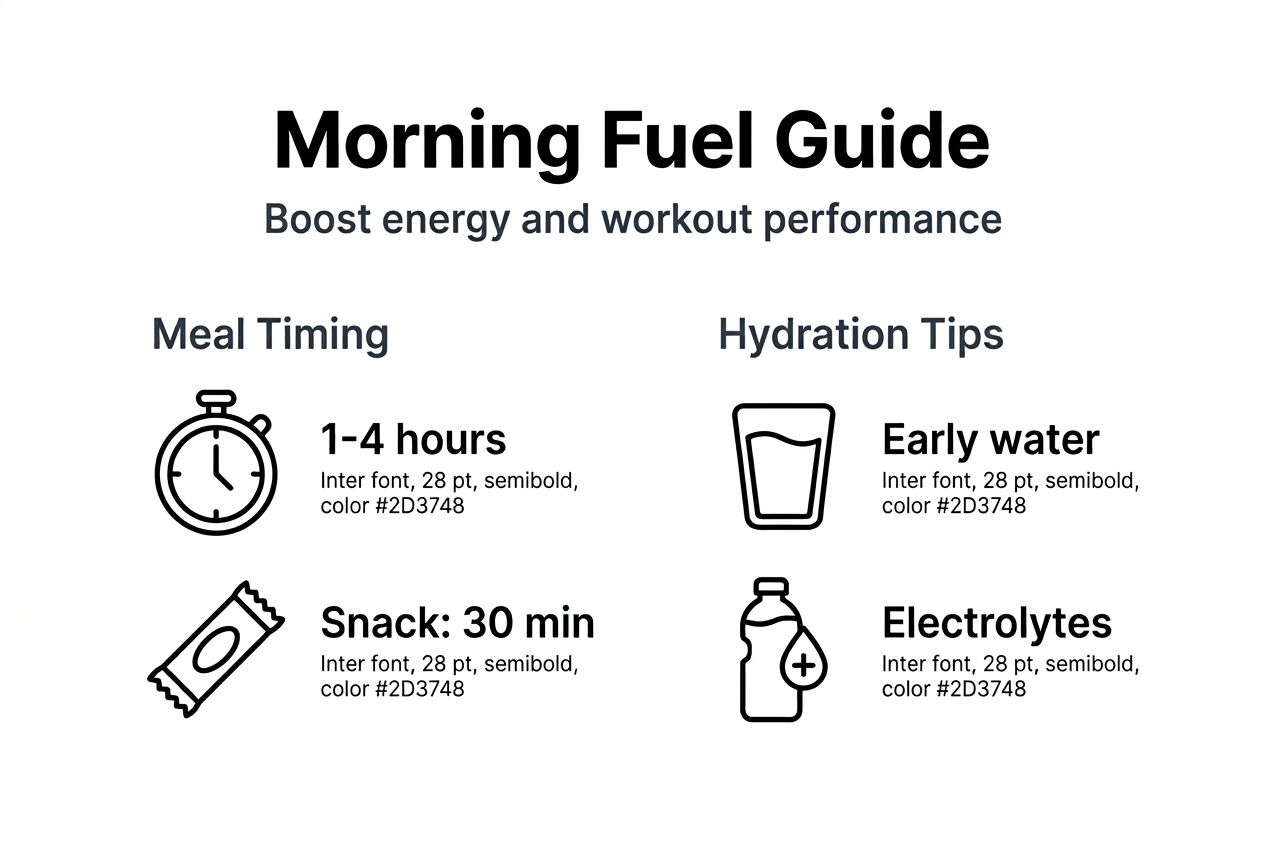
| Timing matters | Eat 1-4 hours before workouts or snack 30-60 minutes prior for quick energy without stomach upset. |
| Choose smart carbs | Low-fibre, low-fat options like white bread and bananas digest fast and prevent GI issues. |
| Hydrate strategically | Drink 5-7 ml per kg bodyweight with electrolytes to prevent cramps and maintain focus. |
| Natural supplements help | Beta-alanine, L-citrulline, and moderate caffeine boost energy and endurance safely. |
| Avoid common errors | Mistimed meals, inadequate hydration, and ignoring personal tolerance sabotage performance. |
What you need before starting your pre-workout nutrition plan
Before implementing your morning workout nutrition strategy, gather essential information and resources to personalise your approach. Understanding your body’s specific requirements prevents guesswork and ensures optimal fuelling.
Start by calculating your body weight in kilograms to determine precise carbohydrate and fluid needs. Female athletes aged 30-50 typically require 1-4 grams of carbohydrates per kilogram bodyweight depending on workout intensity and duration. Track your baseline energy levels and digestion patterns for one week to identify how different foods affect your performance.
Stock your kitchen with easily digestible carbohydrate sources that suit morning training:
- White bread or bagels for quick energy
- Ripe bananas for natural sugars and potassium
- Rice cakes with honey for simple carbohydrates
- Energy gels or sports drinks for immediate fuel
- Moderate-protein options like Greek yoghurt or egg whites
Invest in hydration tracking tools such as a marked water bottle or smartphone app to monitor fluid intake accurately. Review the pre-workout checklist for women to ensure you have everything needed for consistent morning fuelling success.
Essential preparation metrics:
| Metric | Target range | Purpose |
|---|---|---|
| Body weight | Your current kg | Calculate carb and fluid needs |
| Digestion time | 2-4 hours typical | Personalise meal timing |
| Fluid baseline | 5-7 ml per kg | Prevent dehydration |
| Energy tracking | 1 week minimum | Identify patterns |
Test different timing windows during low-stakes training sessions to discover your personal sweet spot. Some athletes thrive on a full meal three hours prior, whilst others perform better with a small snack 45 minutes before exercise. Record what works in a training log to build your customised protocol.
Meal timing and macronutrient balance for morning workouts
Proper timing and nutrient composition form the foundation of effective pre-workout nutrition. Strategic carbohydrate loading combined with moderate protein intake maximises glycogen stores whilst preserving muscle tissue during intense morning sessions.
Consuming 1-4 grams of carbohydrates per kg 1-4 hours before exercise enhances glycogen stores and energy availability. For a 70kg athlete, this translates to 70-280 grams depending on workout duration and intensity. Higher amounts suit longer endurance sessions, whilst moderate doses work well for 45-60 minute HIIT workouts.
Include 15-25g of moderate protein to preserve muscle tissue and support repair mechanisms. Protein also slows carbohydrate absorption slightly, providing steadier energy release. Keep fats low to moderate as they delay gastric emptying and can cause discomfort during vigorous movement.
Optimal pre-workout timing framework:
- 3-4 hours before: Full balanced meal with 1-2 g/kg carbs, 20-25g protein, minimal fat
- 2-3 hours before: Moderate meal with 1 g/kg carbs, 15-20g protein
- 1-2 hours before: Light snack with 0.5-1 g/kg easily digestible carbs
- 30-60 minutes before: Small carb hit like banana or energy gel if needed
Eating within 2-3 hours before exercise ensures proper digestion and nutrient absorption without causing stomach distress. Early morning athletes who train immediately after waking can skip the full meal and rely on smaller snacks plus stored glycogen from the previous evening’s dinner.
Pro Tip: If you train at 6am, eat a carb-rich dinner the night before (pasta, rice, sweet potato) to maximise overnight glycogen storage, then have a small banana or energy gel 30 minutes before your session.
Sample pre-workout meals by timing:
| Timing | Food example | Carbs | Protein | Suitability |
|---|---|---|---|---|
| 3 hours | Porridge with banana and honey | 60g | 12g | Long endurance runs |
| 2 hours | White toast with jam and yoghurt | 45g | 15g | HIIT or strength |
| 1 hour | Rice cake with almond butter | 25g | 8g | Moderate intensity |
| 30 min | Banana or energy gel | 20g | 0-2g | Quick energy top-up |
Follow the pre-workout routine for women performance guide for complete meal planning strategies. Understanding pre-workout timing explained uk helps you refine your approach based on workout type. For comprehensive UK-specific guidance, explore pre workout nutrition for UK athletes.
Food choices to avoid gastrointestinal issues near morning workouts
Selecting the right foods prevents the stomach cramps, bloating, and urgent bathroom visits that derail morning training sessions. Focus on easily digestible options that provide rapid energy without taxing your digestive system.
Low-fibre, low-fat carbohydrate foods like white bread are most effective for quick digestion and sustained energy during morning cardio and HIIT sessions without GI distress. These simple carbohydrates break down rapidly, entering your bloodstream faster than complex, fibre-rich alternatives.
Best pre-workout food choices:
- White bread, bagels, or English muffins with honey or jam
- Ripe bananas for natural sugars and easy digestion
- Rice cakes topped with small amounts of nut butter
- Energy gels, sports drinks, or chews for immediate fuel
- Plain Greek yoghurt with a drizzle of maple syrup
- Cooked white rice or pasta from the previous evening
Avoid high-fibre foods like whole grains, beans, and cruciferous vegetables within three hours of exercise. Whilst nutritious for overall health, these foods slow digestion and increase gas production. Similarly, limit high-fat options such as cheese, cream, and fried foods that sit heavily in your stomach during intense movement.
Pro Tip: Keep a food and symptom diary for two weeks, noting what you eat, timing, and any digestive issues during workouts to identify your personal trigger foods and ideal choices.
Foods to avoid before morning training:
- High-fibre cereals, bran, or wholemeal bread
- Beans, lentils, and legumes
- Broccoli, cauliflower, and cabbage
- High-fat dairy like full cream or cheese
- Fried or greasy foods
- Spicy dishes that irritate the gut
Personal tolerance varies significantly between athletes. Some women handle small amounts of fat well, whilst others need purely carbohydrate-based snacks. Experiment during training sessions rather than important competitions to discover your optimal pre-workout menu. Review the effective pre-workout routine for women for additional food selection strategies. For detailed guidance on avoiding digestive problems, see foods to avoid GI issues.
Hydration and electrolyte strategy for morning workouts
Proper fluid and electrolyte balance prevents the early fatigue, muscle cramps, and mental fog that compromise morning workout quality. Female athletes lose significant sodium, potassium, and magnesium through sweat, making strategic hydration essential for sustained performance.
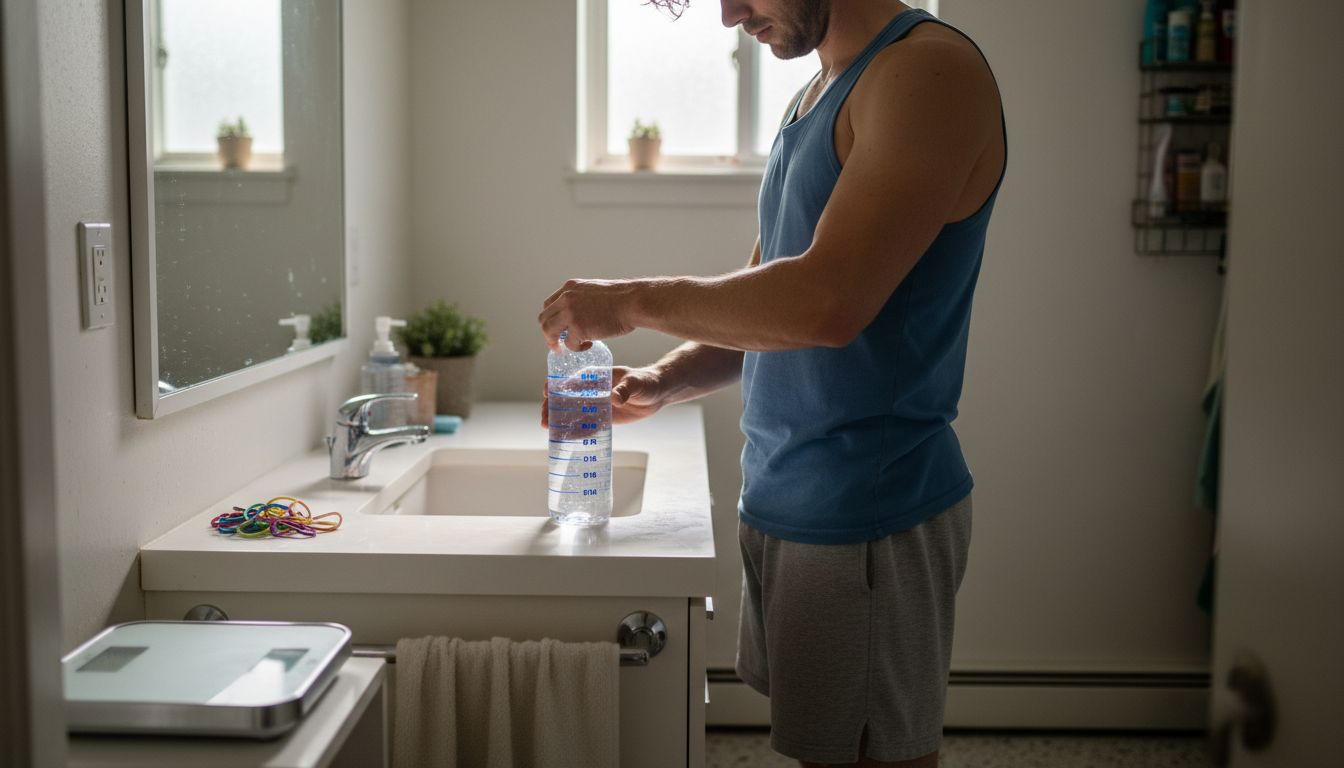
Start your day by drinking 240-350 ml (8-12 oz) of water immediately upon waking to offset overnight fluid losses. This kickstarts rehydration and prepares your body for the upcoming training session. Hydrating with 5-7 ml of fluid per kg before morning workouts helps prevent fatigue and supports performance.
Strategic hydration protocol:
- Upon waking: 240-350 ml plain water
- 2-3 hours before: 5-7 ml per kg bodyweight (350-490 ml for 70kg athlete)
- 30 minutes before: Small sips if needed (100-150 ml maximum)
- Add electrolytes if training exceeds 60 minutes or in warm conditions
Electrolyte supplementation becomes critical when sweat rates increase. Sodium maintains fluid balance and nerve function, potassium prevents cramping, and magnesium supports muscle contraction. Plain water dilutes blood sodium levels when consumed excessively, potentially causing hyponatremia in extreme cases.
Pro Tip: Weigh yourself before and after typical training sessions to calculate your personal sweat rate; for every kilogram lost, you need to replace approximately 1.5 litres of fluid post-workout, but start hydration prep the evening before your next morning session.
Hydration vs electrolyte drink comparison:
| Beverage type | Best for | Timing | Benefits |
|---|---|---|---|
| Plain water | Sessions under 60 min | Upon waking, sipping before | Basic hydration |
| Electrolyte drink | Sessions over 60 min, heat | 2-3 hours before, during | Prevents cramps, sustains energy |
| Coconut water | Light sessions | 1-2 hours before | Natural electrolytes |
| Sports drink | High intensity HIIT | 30 min before, during | Quick energy plus minerals |
Avoid excessive fluid intake immediately before exercise as it causes bloating and frequent urination. Sip strategically rather than gulping large volumes. Monitor urine colour throughout the day; pale yellow indicates proper hydration, whilst dark yellow or amber signals the need for more fluids.
Explore the easy electrolyte workflow female Hyrox athletes for sport-specific hydration strategies. Learn about essential electrolytes for female athletes tips to optimise mineral intake. Discover the best electrolytes sources for female athletes for natural replenishment options.
Natural supplementation benefits to enhance morning workout energy
Natural supplements complement your nutrition and hydration strategy by enhancing energy production, reducing muscle fatigue, and improving mental focus during demanding morning sessions. Selecting hormone-friendly options ensures safety for female athletes.
Beta-alanine buffers lactic acid accumulation in muscles, delaying fatigue during high-intensity intervals. A typical dose of 3-6 grams daily (split into smaller doses) taken consistently for 2-4 weeks builds muscle carnosine levels. You may experience harmless tingling sensations initially.
L-citrulline improves blood flow and oxygen delivery to working muscles, enhancing endurance and reducing perceived exertion. Take 6-8 grams approximately 60 minutes before training for optimal vasodilation effects. This amino acid also supports faster recovery between intervals.
Moderate caffeine doses (3-6 mg per kg bodyweight) sharpen mental focus and increase exercise capacity without excessive jitters. For a 70kg athlete, this equals 210-420mg, roughly two strong coffees. Time caffeine intake 30-60 minutes before your workout for peak effects.
Pro Tip: Start with lower supplement doses to assess tolerance, then gradually increase to recommended levels; avoid stacking multiple stimulants to prevent anxiety or heart palpitations that interfere with performance.
Effective natural supplements for morning energy:
- Beta-alanine: 3-6g daily for reduced muscle fatigue
- L-citrulline: 6-8g pre-workout for improved blood flow
- Caffeine: 3-6 mg/kg for enhanced focus and endurance
- Beetroot powder: 500mg for nitric oxide production
- Creatine monohydrate: 3-5g daily for strength and power output
Choose supplements free from synthetic hormones, artificial stimulants, or questionable additives. Quality matters significantly; third-party tested products ensure purity and accurate labelling. Female athletes should avoid proprietary blends that hide ingredient amounts.
Consult the best supplements for energy naturally for detailed product recommendations. Understanding essential minerals for athletes helps you maintain optimal micronutrient status alongside supplementation.
Common mistakes and troubleshooting your morning pre-workout fuel
Even well-intentioned athletes make nutrition errors that undermine morning workout performance. Recognising these pitfalls and implementing corrections transforms your training quality and consistency.
Mistimed meals cause gastrointestinal distress; neglecting hydration leads to early fatigue whilst ignoring personal digestion differences reduces effectiveness. These avoidable mistakes frustrate progress and diminish workout enjoyment.
Frequent pre-workout nutrition errors:
- Eating too close to training (less than 60 minutes) causes stomach cramps and nausea
- Insufficient hydration results in premature fatigue and poor thermoregulation
- Consuming high-fibre or high-fat foods triggers digestive distress mid-workout
- Skipping pre-workout fuel entirely depletes glycogen and impairs performance
- Trying new foods on important training days rather than testing during easy sessions
- Neglecting electrolyte replacement for sessions exceeding 60 minutes
Personalisation proves essential as digestion speed, food tolerance, and energy requirements vary dramatically between individuals. What works perfectly for your training partner may leave you feeling sluggish or uncomfortable. Dedicate 2-3 weeks to systematic testing of different foods, timing windows, and portion sizes.
“The biggest mistake female athletes make is copying someone else’s pre-workout routine without considering their own digestion patterns, workout intensity, and personal food tolerances. What works brilliantly for one athlete might sabotage another’s performance.”
Solve timing issues by working backwards from your workout start time. If you train at 6am and need three hours for digestion, either wake at 3am for a meal (impractical for most) or eat a substantial carb-rich dinner the evening before plus a small snack 30-45 minutes pre-workout. Evening carb loading stores glycogen overnight effectively.
Address hydration problems by establishing a consistent routine rather than randomly drinking throughout the morning. Set phone reminders or use marked water bottles to ensure adequate intake. If bloating occurs, reduce volume slightly and spread consumption over longer periods.
Revisit the pre-workout checklist for women to audit your current approach. For detailed troubleshooting guidance, explore common pre-workout mistakes and their solutions.
Expected outcomes and performance benefits from optimal morning workout fuel
Implementing the nutrition strategies outlined delivers measurable improvements in workout quality, endurance capacity, and recovery speed. Understanding these benefits motivates consistent application of pre-workout fuelling principles.
Proper carbohydrate loading and timing typically improves time to exhaustion by 15-20% compared to training in a fasted or poorly fuelled state. You’ll notice sustained energy throughout your entire session rather than hitting a wall midway through challenging intervals. Mental clarity and focus remain sharp, enabling better exercise form and decision-making during complex movements.
Tangible performance improvements:
- Extended endurance capacity with delayed fatigue onset
- Maintained power output during high-intensity intervals
- Enhanced mental focus and reduced perceived exertion
- Decreased muscle protein breakdown during training
- Faster recovery between sessions due to adequate fuelling
- Reduced risk of overtraining and immune suppression
- Improved workout consistency and training adherence
Muscle preservation increases significantly when adequate protein accompanies pre-workout carbohydrates. Your body spares lean tissue by using dietary fuel rather than breaking down muscle protein for energy. This protection proves especially valuable for female athletes managing training alongside natural hormonal fluctuations.
Digestive comfort transforms training enjoyment. Eliminating stomach cramps, bloating, and urgent bathroom stops allows you to focus entirely on performance rather than fighting GI distress. This psychological benefit often matters as much as the physical improvements.
Recovery speed accelerates when workouts begin properly fuelled. Your body enters training with full glycogen stores and adequate hydration, reducing the physiological stress of exercise. This allows for higher training volumes and frequency without excessive fatigue accumulation.
Expect gradual improvements over 2-4 weeks as you refine your personalised nutrition protocol. Initial changes may feel subtle, but consistent application produces compound benefits that become undeniable during challenging workouts and competitive events.
Enhance your morning workouts with Interval’s natural pre-workout solutions
Transforming your morning training starts with proper nutrition, and Interval’s natural pre-workout supplements provide the safe, effective support female athletes need for sustained energy and performance. Designed specifically for high-intensity training without hormones or synthetic additives, our products complement your personalised meal and hydration strategy perfectly.
Interval offers no side effect pre workout formulations that enhance focus and endurance naturally. Our carefully selected ingredients including beta-alanine, L-citrulline, and moderate caffeine doses work synergistically to maximise your morning workout potential. Experience improved blood flow, delayed fatigue, and sharper mental clarity without the jitters or crashes common with synthetic stimulants.
New to natural supplementation? Try the starter bundle for an easy introduction to effective pre-workout fuelling. Combine our supplements with the nutrition timing and food choices outlined in this guide to achieve your performance goals safely and sustainably.
FAQ
How soon before a morning workout should I eat my pre-workout meal?
Eat a balanced meal 1-4 hours before high-intensity workouts depending on portion size and digestion speed. Full meals need 2-3 hours minimum for proper absorption. If early training follows waking closely, a small snack 30-60 minutes prior provides quick energy without stomach discomfort.
What are the best natural foods to avoid stomach discomfort before morning training?
Low-fibre, low-fat carbs like white bread, bananas, rice cakes, and energy gels digest quickly without causing GI distress. These simple carbohydrates provide rapid energy whilst minimising digestive workload. Avoid heavy, fatty, or high-fibre foods within three hours of exercise to prevent cramping and bloating.
How much water should I drink before a morning workout?
Drink 240-350 ml (8-12 oz) immediately upon waking to offset overnight losses. Consume 5-7 ml per kg of body weight in the hours leading up to exercise, adjusting for expected sweat loss. Add electrolytes for sessions exceeding 60 minutes or when training in warm conditions.
Are natural supplements safe for female athletes before morning workouts?
Yes, supplements like beta-alanine, L-citrulline, and moderate caffeine doses are safe when used appropriately. Choose hormone-friendly, third-party tested products to avoid unwanted side effects. Start with lower doses to assess personal tolerance before increasing to recommended levels for optimal benefits.