


What is overtraining syndrome and how to prevent it in 2026
You’ve been crushing your Hyrox sessions, training harder than ever, convinced more effort equals better results. Yet paradoxically, your performance keeps declining. Welcome to overtraining syndrome, a physiological state where excessive training without adequate recovery actually sabotages your goals. For female Hyrox athletes aged 30 to 50, understanding and preventing overtraining syndrome is essential to maintaining peak performance, hormonal health, and long term athletic success in high intensity sports.
Table of Contents
- Understanding Overtraining Syndrome And Its Impact On Female Athletes
- Common Signs And Risk Factors For Overtraining In Female Hyrox Athletes
- The Science Behind Training, Fatigue, And Recovery Balance
- How To Prevent And Manage Overtraining Syndrome Effectively
Key takeaways
| Point | Details |
|---|---|
| Overtraining syndrome definition | An imbalance between training stress and recovery causing prolonged performance decreases and systemic health issues. |
| Female specific symptoms | Include menstrual irregularities, persistent fatigue, mood changes, sleep disturbances, and increased injury risk. |
| Female Athlete Triad connection | Energy deficiency, menstrual dysfunction, and low bone density are exacerbated by overtraining. |
| Prevention strategies | Balanced training programmes, adequate recovery, proper nutrition, and monitoring key health markers prevent OTS. |
| Early detection matters | Tracking training load, sleep quality, mood, and menstrual cycle helps identify warning signs before serious damage occurs. |
Understanding overtraining syndrome and its impact on female athletes
Overtraining syndrome results from excessive physical activity without adequate recovery, affecting elite athletes and military personnel. This isn’t just feeling tired after a tough session. OTS represents a systemic breakdown where your body can no longer adapt to training stress, leading to chronic performance decrements lasting weeks or months.
The physiological cascade is profound. Systemic effects of overtraining syndrome include chronic inflammation and increased disease susceptibility affecting multiple organs and immune function. Your body essentially shifts from an anabolic state where it builds and repairs to a catabolic state where it breaks down faster than it recovers.
For women aged 30 to 50, the presentation differs from male counterparts. OTS in female athletes features prolonged performance decreases alongside specific neuroendocrine symptoms including menstrual disturbances, altered stress hormone responses, and psychological changes like irritability and depression. These age specific considerations matter because hormonal fluctuations during perimenopause can compound overtraining effects.
Recognising early signs prevents serious consequences. Common indicators include:
- Unexplained performance plateaus or declines despite consistent training
- Persistent muscle soreness lasting beyond normal recovery windows
- Elevated resting heart rate or irregular heart rate patterns
- Increased susceptibility to infections and illness
- Chronic fatigue unrelieved by rest days
Pro Tip: Track your resting heart rate each morning before getting out of bed. A sustained increase of 5 to 10 beats per minute above your baseline suggests inadequate recovery and potential overtraining.
The connection to your pre-workout routine for women performance guide becomes clear when you understand that optimal performance requires balancing training stimulus with recovery capacity. Without this balance, even perfect pre workout nutrition cannot compensate for systemic fatigue.
Common signs and risk factors for overtraining in female Hyrox athletes
Female specific symptoms warrant particular attention. Common symptoms include menstrual irregularities, sleep disturbances, irritability, and persistent fatigue that doesn’t resolve with standard recovery protocols. Menstrual changes often appear as the first warning sign, including missed periods, irregular cycles, or unusually light flow.
Bone health emerges as a critical concern. Stress fractures and bone stress injuries occur more frequently in overtrained female athletes, particularly those experiencing menstrual dysfunction. This connection reflects the intricate relationship between training stress, energy availability, and skeletal integrity.
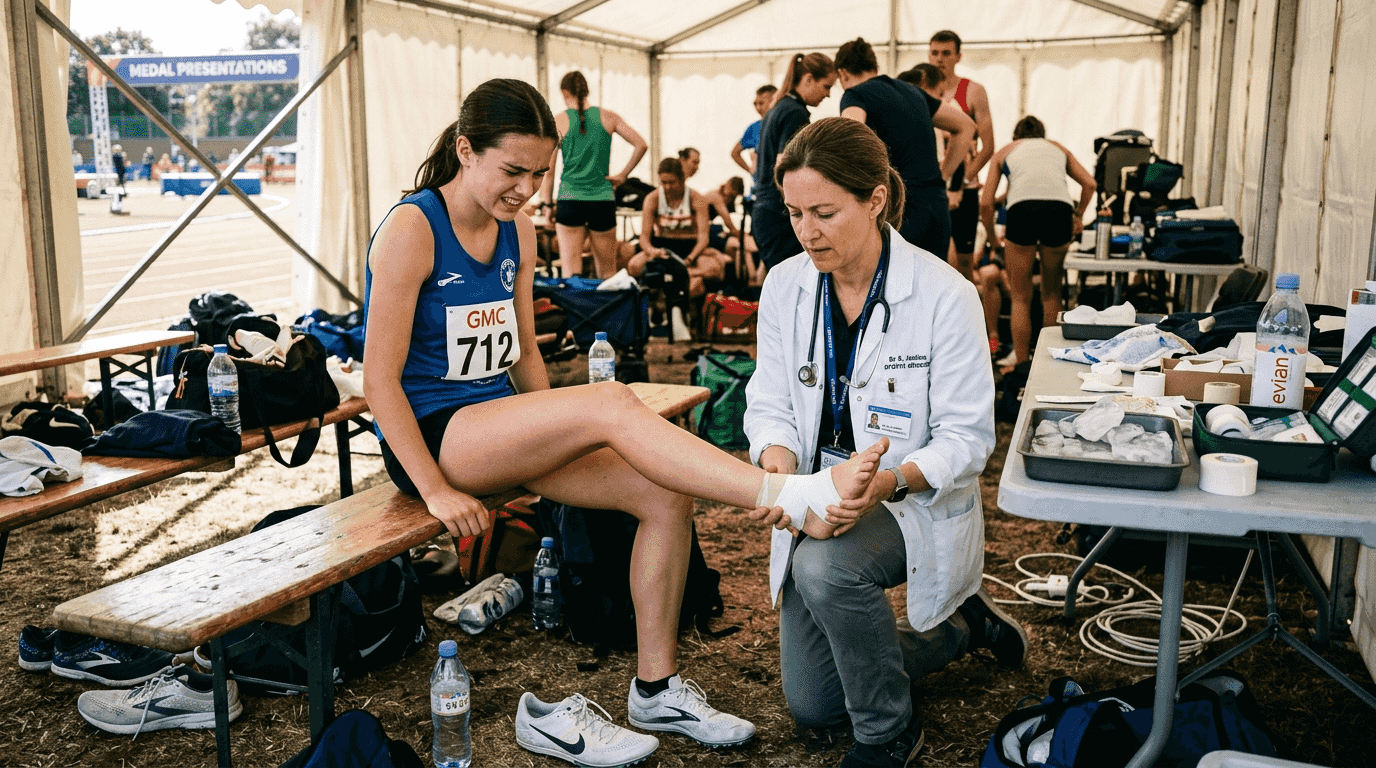
Psychological symptoms deserve equal weight to physical markers. You might experience unexplained mood swings, decreased motivation for training you previously loved, anxiety about performance, or difficulty concentrating during workouts. These mental health changes often precede measurable physical performance declines.
Training errors create the perfect storm for OTS development:
- Training at high intensity too frequently without adequate recovery days
- Rapidly increasing training volume or intensity beyond body’s adaptation capacity
- Combining multiple high intensity sessions across different sports or modalities
- Inadequate periodisation with insufficient deload weeks
- Ignoring early warning signs and pushing through fatigue
Energy deficiency acts as the underlying driver. The Female Athlete Triad involves energy deficiency, menstrual dysfunction, and decreased bone density, all exacerbated by overtraining. When you consume insufficient calories to support training demands, your body prioritises survival over reproduction and bone maintenance.
The relationship between proper fuelling and performance extends to micronutrient status. Understanding essential minerals for athletes becomes crucial because deficiencies in iron, calcium, and vitamin D compound overtraining effects and impair recovery capacity.
The science behind training, fatigue, and recovery balance
The Fitness-Fatigue model shows overtraining happens when fatigue outweighs fitness gains. Every training session creates two simultaneous responses: increased fitness capacity and accumulated fatigue. Optimal performance occurs when fitness peaks whilst fatigue remains manageable. Overtraining represents the inverse scenario where fatigue accumulation exceeds fitness development.
Recovery functions as the critical variable determining which direction the balance tips. Without adequate recovery, fatigue compounds session after session whilst fitness adaptations stall. Your body requires specific recovery windows for different physiological systems:
- Nervous system recovery: 24 to 48 hours after high intensity efforts
- Muscle glycogen restoration: 24 to 48 hours depending on carbohydrate intake
- Muscle protein synthesis: 48 to 72 hours for full structural adaptation
- Hormonal system normalisation: 48 to 96 hours after intense training blocks
The updated understanding of female athlete health provides crucial context. The 2025 Female Athlete Triad update emphasises managing energy deficiency, reproductive health, and bone strength in female athletes. This framework recognises that these three components interact synergistically, meaning problems in one area cascade into the others.
| Component | Impact of Deficiency | Recovery Strategy |
|---|---|---|
| Energy availability | Decreased performance, hormonal disruption | Increase caloric intake, reduce training volume |
| Menstrual function | Impaired bone health, metabolic changes | Restore energy balance, manage training stress |
| Bone mineral density | Increased fracture risk, long term skeletal issues | Weight bearing exercise, adequate calcium and vitamin D |
Practical implications for Hyrox training centre on periodisation and energy management. Your training programme should incorporate planned recovery phases where volume and intensity decrease, allowing fitness adaptations to solidify whilst fatigue dissipates. This applies whether you’re following carb loading for female athletes protocols before competition or establishing baseline training rhythms.
Pro Tip: Schedule a full deload week every four to six weeks where you reduce training volume by 40 to 50 percent whilst maintaining some intensity. This prevents cumulative fatigue whilst preserving hard earned fitness gains.
Understanding the post-workout recovery process athletic results connection reveals why recovery isn’t passive rest but active physiological remodelling. Your body rebuilds stronger during recovery, not during training itself.
How to prevent and manage overtraining syndrome effectively
Balanced training and recovery are crucial to prevent OTS and maintain health. Prevention starts with honest assessment of your training volume and intensity relative to recovery capacity. Most female Hyrox athletes benefit from limiting high intensity sessions to two or three per week, with remaining sessions at moderate or low intensity.
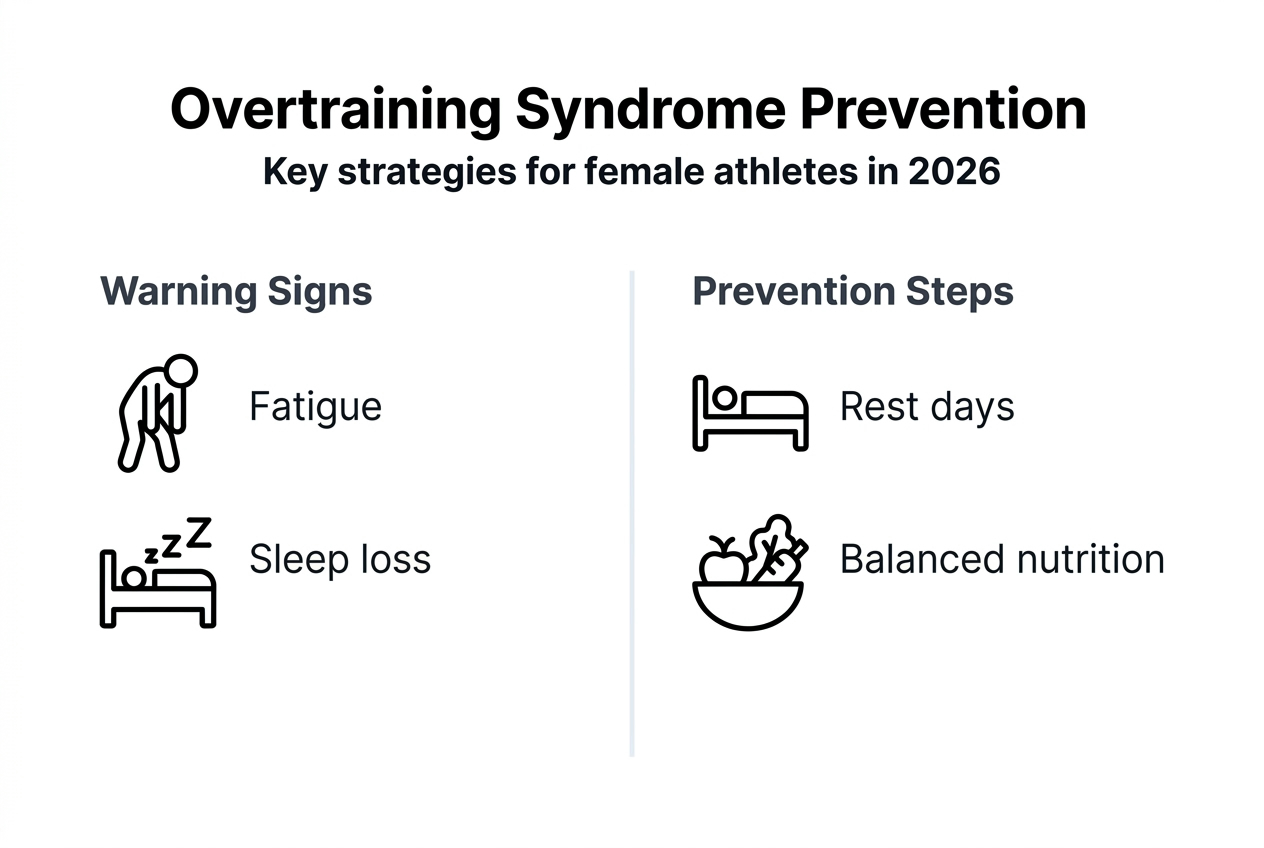
Monitoring key health indicators enables early intervention before OTS develops. Early detection via monitoring training load, sleep, mood, and physiological markers helps identify OTS signs. Establish baseline measurements during well rested periods, then track deviations.
Practical monitoring strategies include:
- Daily resting heart rate measurements upon waking
- Weekly menstrual cycle tracking noting any irregularities
- Sleep quality assessment using subjective scales or tracking devices
- Mood and motivation ratings before training sessions
- Performance metrics across consistent benchmark workouts
Nutrition addresses energy deficiency directly. Calculate your total daily energy expenditure including training, then ensure caloric intake matches or slightly exceeds this number. Underfueling even by 200 to 300 calories daily accumulates into significant energy deficits over weeks. Prioritise adequate protein intake of 1.6 to 2.2 grams per kilogram bodyweight to support muscle recovery and adaptation.
Recovery techniques extend beyond nutrition. Quality sleep of seven to nine hours nightly provides the foundation for all other recovery processes. Sleep hygiene practices like consistent bed times, cool dark environments, and limiting screen exposure before bed enhance sleep quality. Active recovery sessions incorporating light movement, stretching, or mobility work promote blood flow without adding training stress.
Your pre-workout checklist 2026 female Hyrox athletes should include readiness assessment. If you’re showing multiple warning signs like elevated heart rate, poor sleep, or low motivation, consider modifying the planned session or taking an unscheduled rest day.
Pro Tip: Implement the two day rule for illness or injury. If symptoms persist beyond two days, take complete rest rather than training through them. This prevents minor issues from becoming major setbacks.
Mental recovery matters equally to physical recovery. Strategies to enhance athletic focus naturally should include stress management techniques like meditation, breathing exercises, or engaging in non training hobbies that provide mental refreshment.
When to seek professional help becomes critical knowledge. Consult a healthcare provider or sports medicine specialist if you experience persistent fatigue lasting more than two weeks despite reduced training, menstrual irregularities continuing beyond three months, recurrent injuries or illnesses, or psychological symptoms affecting daily life. These professionals can order blood work checking hormone levels, thyroid function, and nutrient status whilst providing structured recovery protocols.
Support your training with interval’s starter bundle
Balancing high intensity Hyrox training with adequate recovery requires both knowledge and practical support tools. Interval’s starter bundle provides exactly what female athletes need to optimise performance whilst avoiding overtraining risks. Our naturally formulated pre workout supports energy and focus without artificial stimulants that disrupt sleep quality, whilst our electrolyte blend aids proper hydration essential for recovery and adaptation. The bundle integrates seamlessly into your training routine, providing nutritional support that complements rather than compromises your body’s recovery processes. By addressing foundational nutrition needs with clean ingredients, you create the optimal environment for sustainable performance improvements without pushing your system into overtraining territory.
FAQ
What are common signs of overtraining syndrome in female athletes?
Common signs include prolonged fatigue unrelieved by rest, persistent muscle soreness, menstrual irregularities or missed periods, sleep disturbances, mood changes like irritability or depression, and decreased performance despite consistent training. Female athletes may also experience increased resting heart rate, frequent illnesses due to compromised immune function, and loss of motivation for training.
How can female Hyrox athletes monitor recovery to avoid overtraining?
Track your resting heart rate each morning, noting increases of five beats or more above baseline. Monitor sleep quality, duration, and how refreshed you feel upon waking. Keep a training log recording perceived exertion, mood, and motivation levels before sessions. Track your menstrual cycle for irregularities or changes in flow. Regular benchmark workouts help identify performance plateaus or declines indicating inadequate recovery.
Can overtraining syndrome affect menstrual health and bone density?
Yes, overtraining frequently causes menstrual irregularities including missed periods, irregular cycles, or amenorrhoea as part of the Female Athlete Triad. This menstrual dysfunction signals hormonal disruption that also impairs bone formation and increases bone resorption, leading to decreased bone mineral density. Restoring energy balance through adequate nutrition and reduced training stress helps recovery of both reproductive and skeletal systems.
What steps should be taken if overtraining syndrome is suspected?
Immediately reduce training volume by 50 to 70 percent and eliminate high intensity sessions for at least one to two weeks. Prioritise sleep, aiming for eight to nine hours nightly with good sleep hygiene. Increase caloric intake ensuring adequate carbohydrates and protein to restore energy balance. Consult a healthcare provider or sports medicine specialist for comprehensive evaluation including blood work checking hormone levels, thyroid function, and nutrient status. Follow their guidance for structured recovery protocols before gradually resuming full training.
Recommended
- Endurance Training Boosts Hyrox VO2 Max Up to 15% – Interval
- What is delayed onset muscle soreness? Essential guide 2026 – Interval
- How to Enhance Athletic Focus Naturally for Intense Training – Interval
- Master Your Workout Hydration Routine for Peak Performance – Interval
- How to Enhance Workout Recovery for Optimal Results