


What is mood support supplementation: your guide
TL;DR:
- Mood support supplements help improve emotional resilience by supporting neurotransmitter production and reducing inflammation. Evidence strongly supports magnesium, omega-3s, and vitamin D, but safety and quality testing are essential before use. These supplements work best when combined with healthy lifestyle habits and targeted to specific nutritional gaps.
Mood support supplementation is something more people are turning to, yet most are unclear on what it actually does or whether it works. The shelves are packed with products making bold claims, and sorting genuine science from marketing noise is genuinely difficult. This guide breaks down what is mood support supplementation, how these products work biologically, which ingredients have real evidence behind them, and how to use them safely alongside the lifestyle habits that matter most. Whether you are exploring natural mood support options for the first time or refining what you already take, this is where to start.
Table of Contents
- Key takeaways
- What is mood support supplementation
- The supplements with real evidence behind them
- Risks, interactions, and safety
- Integrating supplements into a wider well-being plan
- Choosing quality products and reading labels
- My honest take on mood supplements
- Support your mood and performance with Useinterval
- FAQ
Key takeaways
| Point | Details |
|---|---|
| Supplements aid, not replace | Mood supplements fill nutritional gaps and support stress resilience, but cannot replace professional mental health care. |
| Evidence varies by ingredient | Magnesium, omega-3s, and vitamin D have the strongest clinical backing among top mood support vitamins. |
| Safety is not guaranteed | “Natural” does not mean safe; drug interactions and quality issues require careful attention before starting any supplement. |
| Third-party testing matters | Look for USP, NSF, or Informed Choice seals to confirm purity and accurate labelling. |
| Lifestyle comes first | Sleep, exercise, and nutrition remain the foundation. Supplements work best when added on top of these habits. |
What is mood support supplementation
Mood support supplementation refers to the use of vitamins, minerals, botanicals, and amino acids with the intention of promoting emotional stability and reducing psychological stress. These are not pharmaceutical drugs. They work by supporting the body’s own systems rather than overriding them, which is an important distinction to understand from the outset.
The core biological pathways these products target include:
- Neurotransmitter support. Nutrients like B vitamins and amino acids (such as tryptophan and tyrosine) contribute to producing serotonin and dopamine, the chemicals most closely linked to mood regulation.
- Inflammation reduction. Omega-3 fatty acids help lower brain inflammation, which research increasingly associates with depressive states.
- Stress response modulation. Adaptogens like Ashwagandha interact with the hypothalamic-pituitary-adrenal (HPA) axis to reduce cortisol output under chronic stress.
- Hormonal and metabolic support. Vitamin D plays a direct role in serotonin synthesis, making deficiency a meaningful contributor to low mood.
What is important to understand is that mood supplements modulate neurotransmitters like serotonin and dopamine, but effects are typically modest compared to prescription treatments. They are adjuncts, not replacements. If you are experiencing clinically significant depression or anxiety, please speak to your GP or a mental health professional before reaching for the supplement aisle.
That said, for people functioning well but dealing with stress, fatigue, or seasonal dips in mood, mood enhancement nutrition through targeted supplementation is a legitimate and evidence-backed strategy.
The supplements with real evidence behind them
Not every product on the mood support shelf deserves your money. The following ingredients have the most credible research to back them up.
| Supplement | Typical dose | Primary mechanism | Evidence level |
|---|---|---|---|
| Magnesium glycinate | 300-400mg daily | NMDA receptor modulation, stress reduction | Strong |
| Omega-3 EPA | 1-2g EPA daily | Anti-inflammatory, neuronal membrane support | Strong |
| Vitamin D3 | 2,000-5,000 IU daily | Serotonin synthesis support | Moderate to strong (deficiency) |
| St. John’s Wort | 300mg x3 daily | Serotonin reuptake inhibition | Moderate (mild depression) |
| SAMe | 400-1,600mg daily | Methylation, monoamine production | Moderate |
| Ashwagandha | 300-600mg daily | HPA axis modulation, cortisol reduction | Emerging |
| B vitamins (complex) | As labelled | Neurotransmitter cofactors | Moderate |
Magnesium and EPA-rich omega-3s are consistently at the top of the evidence table, with magnesium showing symptom improvement in roughly two weeks at 300-400mg daily and EPA-dominant fish oils delivering measurable emotional stability benefits. For omega-3s, the research is clear that EPA-dominant formulas exceeding 60% EPA content are where the effect sits. Generic fish oil capsules without this ratio are often a waste of money.

Vitamin D is worth discussing separately. Vitamin D is strongly involved in serotonin synthesis, and supplementation shows the most benefit in people with deficiency or seasonal affective disorder. With deficiency linked to depressive symptoms in around 42% of Americans, this is one of the easiest first steps if you have not had your levels checked recently.
St. John’s Wort shows efficacy comparable to prescription antidepressants for mild to moderate depression, which sounds compelling but comes with significant caveats covered in the next section.
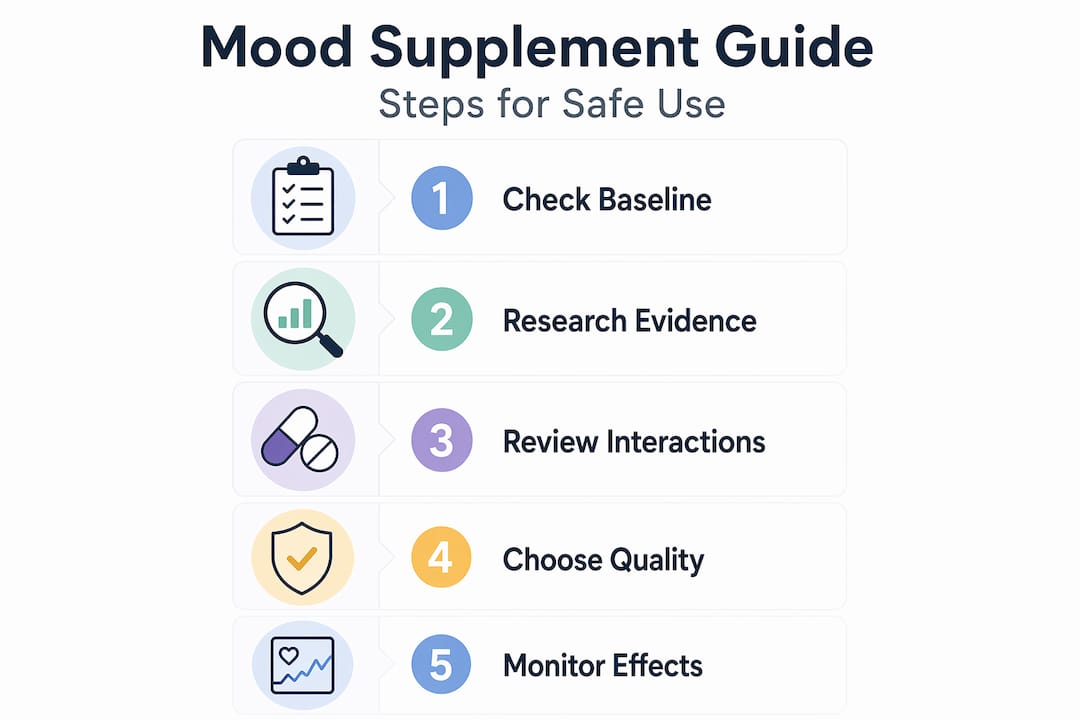
Pro Tip: Get a basic blood panel before starting vitamin D or magnesium supplementation. Knowing your baseline levels means you are dosing based on actual need rather than guesswork, which produces better results and avoids wasted spend.
Risks, interactions, and safety
The word “natural” on a label does not mean a product is without risk. This is one of the most common misconceptions in the space. Potent biological effects can and do interact with medications, and some supplements are genuinely contraindicated for certain people.
The most significant risk is with St. John’s Wort. It can interfere with hormonal birth control, blood thinners, and antidepressants, and in combination with serotonergic medications, it carries a real risk of serotonin syndrome. This is not a theoretical concern. It is well-documented and the reason this herb requires careful supervision despite its availability over the counter.
SAMe carries a specific warning for anyone with bipolar disorder, as it can trigger manic episodes. Adaptogens, while generally well tolerated, can interact with thyroid medications and immunosuppressants. Even something as routine as high-dose B6 can cause nerve issues if taken incorrectly over long periods.
Here are the key safety practices to follow before and during mood support supplementation:
- Consult your GP or a registered nutritionist before starting, particularly if you take any prescription medication.
- Start with one supplement at a time so you can identify what is working or causing side effects.
- Use the lowest research-backed dose first and increase only if needed.
- Keep a simple log of mood, sleep, and energy to track any changes objectively.
- Choose products with third-party testing seals (more on that below).
- Avoid stacking multiple serotonin-affecting supplements without professional oversight.
- Review your full supplement list with your healthcare provider at least annually.
Supplements lack pre-market regulatory approval for efficacy or purity, meaning the burden of quality checking falls on you as the consumer. The “start low, go slow” principle is not overly cautious; it is simply smart practice.
Pro Tip: If you are an athlete on a competitive testing programme, cross-reference any mood supplement with your sport’s prohibited substance list. Contamination risk from unregulated products is real, and it pays to check supplement safety for athletes before committing to a new product.
Integrating supplements into a wider well-being plan
Here is the honest reality: supplements work best as adjuncts to foundational lifestyle habits, not as stand-alone treatments. If you are sleeping five hours a night, eating poorly, and chronically sedentary, no supplement stack is going to fix that. The research is consistent on this point.
A practical approach to integrating mood supplements looks like this:
- Audit your lifestyle first. Sleep, movement, and nutrition are the variables with the greatest effect on mood. Identify where the gaps are before adding supplements on top.
- Address deficiencies before optimising. If your vitamin D or magnesium intake from food is low, supplementing those fills a genuine gap. If your baseline is already solid, additional supplementation offers diminishing returns.
- Choose one or two evidence-backed supplements. Start with magnesium glycinate or an EPA-dominant omega-3 if you are new to this. These carry the best risk-to-benefit ratio.
- Track your response over four to eight weeks. Mood is subjective and influenced by many variables. Keeping a short daily log (energy, sleep quality, general outlook) gives you something concrete to evaluate.
- Adjust based on what you observe. If there is no discernible change after six to eight weeks at an adequate dose, that supplement is likely not the right fit for you.
For those with high training loads, managing fatigue effectively is closely tied to mood stability. Adaptogens like Ashwagandha sit at an interesting crossroads here, offering potential support for both stress resilience and recovery, though you should approach them with realistic expectations. Adaptogens can help manage stress-induced fatigue and cortisol levels, but clinical evidence is still evolving.
Choosing quality products and reading labels
The supplement market is largely unregulated before products hit shelves. That means label claims and actual contents do not always align.
| What the label says | What is commonly found in practice |
|---|---|
| “500mg active ingredient” | Sometimes under-dosed by 20-40% |
| “Clinically proven formula” | Often references a single study with no replication |
| “Proprietary blend” | Individual ingredient doses are hidden |
| “Natural and pure” | No guarantee of third-party testing |
Third-party testing seals from organisations like USP, NSF, or Informed Choice are the most reliable indicator that what is on the label is actually in the bottle. These seals confirm both ingredient accuracy and absence of harmful contaminants.
Beyond that, look for products that list individual ingredient doses clearly, use research-backed forms (such as magnesium glycinate over magnesium oxide), and do not rely on “proprietary blend” labelling as a way of obscuring underdosed ingredients. If you are unsure about the quality of a product you are considering, cross-referencing it with common workout supplement myths and what to look out for can save you money and disappointment.
Working with a registered nutritionist or sports dietitian is the most reliable way to select products matched to your individual needs rather than relying on marketing.
My honest take on mood supplements
In my experience, the people who benefit most from mood support supplementation are those who approach it with specific, realistic goals rather than hoping for a general lift. Magnesium and omega-3s for someone with documented low intake or high training stress? That often produces a noticeable difference. A random “mood blend” capsule from a supermarket shelf? The evidence is rarely there.
What I have seen get people into trouble is the belief that more supplements equal better results. Stacking five or six products without understanding their interactions is how you end up spending a lot of money on marginal outcomes at best, or dealing with side effects at worst. I have also noticed that people often skip the foundational work entirely and go straight to supplementation. That approach rarely delivers what they are hoping for.
My advice is simple: get your basics right first. Sleep, protein, sunlight, movement. Then add one targeted supplement with a clear evidence base, track it properly, and give it time. Supplements as mood tools work best when you think of them as filling specific gaps, not as a shortcut. The honest truth is that there are no shortcuts here, but there are genuinely useful tools if you use them correctly.
— Tom
Support your mood and performance with Useinterval
At Useinterval, we formulate with natural ingredients because we know what goes into a product matters as much as the marketing around it. If you are training hard and looking to support both your performance and emotional resilience, the Useinterval Starter Bundle is built with those demands in mind. It combines quality-tested ingredients that support energy, recovery, and stress resilience without cutting corners on formulation. For athletes managing heavy training loads, having reliable nutritional foundations underneath your supplementation strategy makes everything else work better. Pair it with professional guidance and the lifestyle habits covered in this article, and you are building something sustainable.
FAQ
What is mood support supplementation?
Mood support supplementation refers to the use of vitamins, minerals, herbs, and amino acids to promote emotional stability and reduce psychological stress. These products work by supporting neurotransmitter production, reducing inflammation, and modulating the body’s stress response.
Which supplements have the strongest evidence for mood?
Magnesium glycinate (300-400mg daily), EPA-dominant omega-3 fish oils (1-2g daily), and vitamin D3 are the most consistently supported by research. St. John’s Wort also has evidence for mild to moderate depression but requires professional supervision.
Are mood supplements safe to take with medication?
Not always. St. John’s Wort in particular can interact with antidepressants, hormonal contraceptives, and blood thinners, potentially causing serious side effects including serotonin syndrome. Always consult your GP before combining supplements with prescription medication.
How long does it take for mood supplements to work?
It depends on the supplement and your individual baseline. Magnesium has shown symptom improvement in around two weeks, while omega-3s typically require four to eight weeks of consistent use. Vitamin D benefits may take longer if correcting a significant deficiency.
How do I choose a quality mood supplement?
Look for products carrying third-party testing seals such as USP, NSF, or Informed Choice. Check that individual ingredient doses are clearly listed and match research-backed amounts. Avoid products relying on “proprietary blends” that obscure individual dosing.