


Taurine for female athletes: recovery and performance
You’ve probably seen taurine listed on energy drink labels and wondered whether it’s just marketing hype or something genuinely useful for your training. The truth is, taurine is far more than a stimulant additive. It’s a naturally occurring compound in your body that plays essential roles in muscle function, recovery, and cellular health. For female athletes engaged in high-intensity sports, understanding how taurine works and whether supplementation offers real benefits can help you make informed decisions about your nutrition strategy.
Table of Contents
- What is taurine and how does it work?
- How does taurine affect athletic performance?
- Evidence for taurine supplementation: What does the research say?
- Is taurine effective for female athletes? Sex-specific findings and real-world takeaways
- Safe use, dosage, and timing: Applying taurine for best results
- Explore expert-formulated recovery and performance support
- Frequently asked questions
Key Takeaways
| Point | Details |
|---|---|
| Crucial recovery role | Taurine supports faster muscle recovery by fighting oxidative stress and cell damage after intense training. |
| Not just for men | Emerging data show female athletes, especially older women, may benefit from taurine, particularly alongside exercise and caffeine. |
| Safe and flexible dosing | Typical effective doses range from 1 to 6 grams daily, with optimal timing about one hour before your session. |
| Research is ongoing | Results for endurance and acute performance are mixed, but the evidence for reducing muscle damage is strong. |
What is taurine and how does it work?
Taurine is a naturally occurring organic compound, specifically 2-aminoethanesulfonic acid. Unlike the amino acids that build proteins, taurine doesn’t form part of muscle tissue. Instead, it’s abundant in your heart, brain, retina, and skeletal muscles, where it performs critical regulatory functions.
Your liver synthesises taurine from cysteine, and it circulates throughout your body to support several key processes. These include conjugating bile acids for fat digestion, regulating cell volume through osmoregulation, stabilising cell membranes, acting as an antioxidant, and maintaining calcium balance in muscle cells. Interestingly, taurine levels rise after exercise, suggesting your body increases production as part of its adaptive response to physical stress.
Pro Tip: Think of taurine as a cellular maintenance worker rather than a fuel source. It doesn’t provide energy directly but helps your cells function efficiently under stress.
| Function | Role in athletic performance |
|---|---|
| Antioxidant activity | Reduces oxidative stress from intense training |
| Calcium homeostasis | Supports effective muscle contraction |
| Membrane stabilisation | Protects cells during high-intensity efforts |
| Osmoregulation | Maintains cell volume and hydration status |
“Taurine’s diverse roles in cellular function make it particularly relevant for athletes who regularly push their bodies to physiological limits.”
How does taurine affect athletic performance?
The mechanisms behind taurine’s potential performance benefits centre on its ability to modulate oxidative stress, calcium handling, and inflammation. During high-intensity exercise, your muscles generate reactive oxygen species that contribute to fatigue and damage. Taurine’s antioxidant properties help neutralise these compounds, potentially reducing muscle soreness and accelerating recovery.
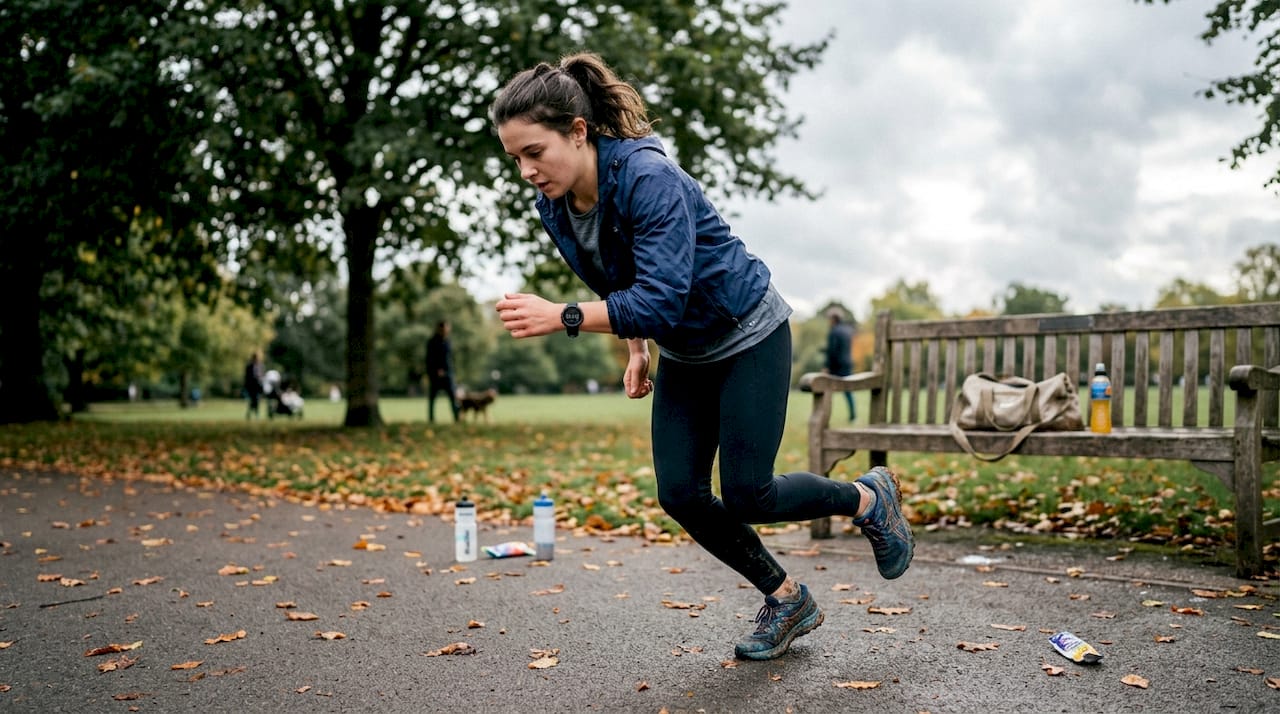
Calcium regulation is another crucial factor. Effective muscle contraction depends on precise calcium movements within muscle fibres. Taurine influences these calcium dynamics, which may translate to improved force production during explosive movements like jumps, sprints, and rapid directional changes common in sports such as CrossFit, Hyrox, and team athletics.
Research suggests taurine may offer a performance edge in anaerobic tasks. Studies have shown improvements in vertical jump height, countermovement jump performance, and sprint times following supplementation. These benefits are particularly relevant if you’re training for improving Hyrox performance or competing in events requiring repeated high-power outputs.
However, the effects on endurance and perceived exertion are less consistent. Some athletes report feeling less fatigued during prolonged efforts, whilst others notice no difference. This variability likely reflects individual responses and the specific demands of different sports.
Pro Tip: If your training emphasises explosive power and quick recovery between efforts, taurine may offer more noticeable benefits than if you focus primarily on steady-state endurance.
- Supports muscle contraction efficiency through calcium regulation
- Reduces oxidative damage from intense training sessions
- May improve anaerobic performance markers like jump height
- Effects on endurance remain inconsistent across studies
Evidence for taurine supplementation: What does the research say?
The scientific literature on taurine presents a mixed but increasingly clear picture. A meta-analysis examining taurine’s effects found that supplementation significantly improves jump performance, with moderate effects on anaerobic power. These improvements matter for athletes whose sports demand explosive movements.
Recovery markers tell an equally compelling story. Studies show taurine supplementation reduces creatine kinase and lactate dehydrogenase, two enzymes that indicate muscle damage. Lower levels suggest faster recovery, allowing you to train harder more frequently without excessive soreness.
Yet not all research aligns. Some analyses report small to moderate acute effects, whilst others find negligible immediate benefits on anaerobic performance. These contradictions likely stem from differences in dosing protocols, timing, participant training status, and the specific performance tests used.
For context, consider that many landmark studies used doses between 1 and 6 grams taken approximately one hour before exercise. The benefits appeared more pronounced for recovery outcomes than for immediate power increases. This suggests taurine works best as part of a broader supplement timing strategy rather than a quick pre-competition boost.
| Study focus | Key finding | Relevance for athletes |
|---|---|---|
| Muscle damage markers | Reduced CK and LDH post-exercise | Faster recovery between sessions |
| Jump performance | Significant improvements in meta-analysis | Better explosive power output |
| Anaerobic capacity | Moderate effects on power | Potential gains in sprint efforts |
| Acute strength | No additional effect over training alone | Limited immediate strength benefits |
The research landscape continues evolving, with newer studies examining sustainable supplementation practices and long-term effects. What’s clear is that taurine offers genuine recovery benefits, whilst its performance-enhancing effects depend heavily on individual factors and training context.
Is taurine effective for female athletes? Sex-specific findings and real-world takeaways
Here’s where the evidence becomes particularly relevant to you. Most taurine research has historically involved male participants or mixed groups without sex-specific analysis. The limited female-specific data shows mixed results, with isolated taurine proving less effective for sprint performance in some studies of younger women.
However, promising findings emerge when examining specific contexts. Taurine combined with caffeine improved Wingate test performance in female team-sport athletes, suggesting synergistic effects. Additionally, older and postmenopausal women showed positive responses for fat oxidation and body composition, indicating age-related factors may influence effectiveness.
This variability means your response to taurine supplementation might differ from what male training partners experience or what younger athletes report. Factors like hormonal fluctuations, training status, age, and whether you combine taurine with other compounds all play roles.
Pro Tip: If you’re over 40 or postmenopausal, research suggests you may experience more noticeable benefits from taurine supplementation, particularly for body composition and metabolic outcomes.
- Most research lacks adequate female representation
- Taurine alone shows inconsistent sprint benefits in younger women
- Combination with caffeine appears more effective for female athletes
- Older women demonstrate clearer benefits for fat oxidation
- Individual response varies based on training status and age
Given these nuances, approaching taurine as part of a comprehensive natural supplement strategy makes sense. Consider your specific training demands, recovery needs, and whether combining it with other evidence-based supplements like caffeine or electrolytes aligns with your goals.
Safe use, dosage, and timing: Applying taurine for best results
Translating research into practice requires understanding optimal dosing and timing. Studies typically use doses between 1 and 6 grams daily, with no clear dose-response relationship within this range. Starting at the lower end and assessing your response makes practical sense.
Timing matters more than you might expect. Taking taurine approximately one hour before training appears optimal, allowing sufficient time for absorption and peak blood levels during your session. This timing strategy works well for planned training sessions but may be less practical for spontaneous activity.
The safety profile is reassuring. Taurine supplementation within typical doses shows no significant adverse effects in healthy adults, including active women across age ranges. Your body naturally regulates taurine levels, excreting excess through urine, which provides a built-in safety mechanism.
One important consideration: research shows acute taurine doesn’t enhance maximal strength or power beyond what training alone provides. This means taurine works best as a recovery aid rather than an immediate performance booster. Adjust your expectations accordingly.
- Start with 1-2 grams daily and assess your response over several weeks
- Take taurine approximately 60 minutes before high-intensity training sessions
- Consider combining with caffeine if sprint performance is a priority
- Focus on recovery benefits rather than expecting immediate power increases
- Maintain consistent dosing rather than sporadic use for best results
| Timing | Dose | Primary benefit | Best for |
|---|---|---|---|
| 60 minutes pre-training | 1-3g | Reduced muscle damage | Recovery optimisation |
| Daily consistent use | 3-6g | Cumulative antioxidant effects | Long-term training adaptation |
| Pre-competition | 2-4g with caffeine | Potential sprint improvement | High-intensity events |
Integrating taurine into your broader nutrition strategy means considering how it complements post-workout protein intake and your overall recovery process. It’s one tool amongst many, not a magic solution.
Explore expert-formulated recovery and performance support
Understanding taurine’s role in athletic performance is one thing. Finding high-quality, thoughtfully formulated supplements that deliver effective doses is another.
At Interval, we’ve developed supplements specifically for female athletes engaged in high-intensity training. Our formulations combine taurine with complementary ingredients like natural caffeine sources and essential electrolytes, creating synergistic effects backed by research. Each product is designed with your training demands in mind, whether you’re preparing for competition or simply want to recover faster between sessions.
Our Starter Bundle offers an accessible entry point, combining pre-workout support with electrolyte replenishment. We prioritise natural ingredients and transparent labelling, so you know exactly what you’re putting into your body. For athletes serious about optimising performance through evidence-based supplementation, we provide the tools and information you need to make informed choices.
Frequently asked questions
Is taurine safe for female athletes over 40?
Taurine is generally safe in daily doses of 1-6 grams and has a strong safety profile even for older active women. Research shows no significant adverse effects within typical supplementation ranges.
Does taurine improve endurance or just muscle recovery?
Taurine shows more reliable benefits for post-exercise recovery markers than for endurance or perceived exertion during activity. Focus on recovery outcomes rather than expecting endurance improvements.
Should I take taurine with caffeine for best results?
Studies suggest taurine combined with caffeine is more effective for improving sprint performance in women than taurine alone. The combination appears to create synergistic effects.
When should taurine be taken for maximum effect?
Taking taurine approximately one hour before training appears optimal for most benefits. This timing allows for peak blood levels during your high-intensity session.
Is taurine needed if I already eat plenty of protein?
Taurine is a non-proteinogenic amino acid, so dietary protein doesn’t replace its function in antioxidant and recovery processes. It serves different roles than protein-building amino acids.